


Farmers Are Selling More Than Crops: How Small Food Processing Units Can Add Value to Farm Produce

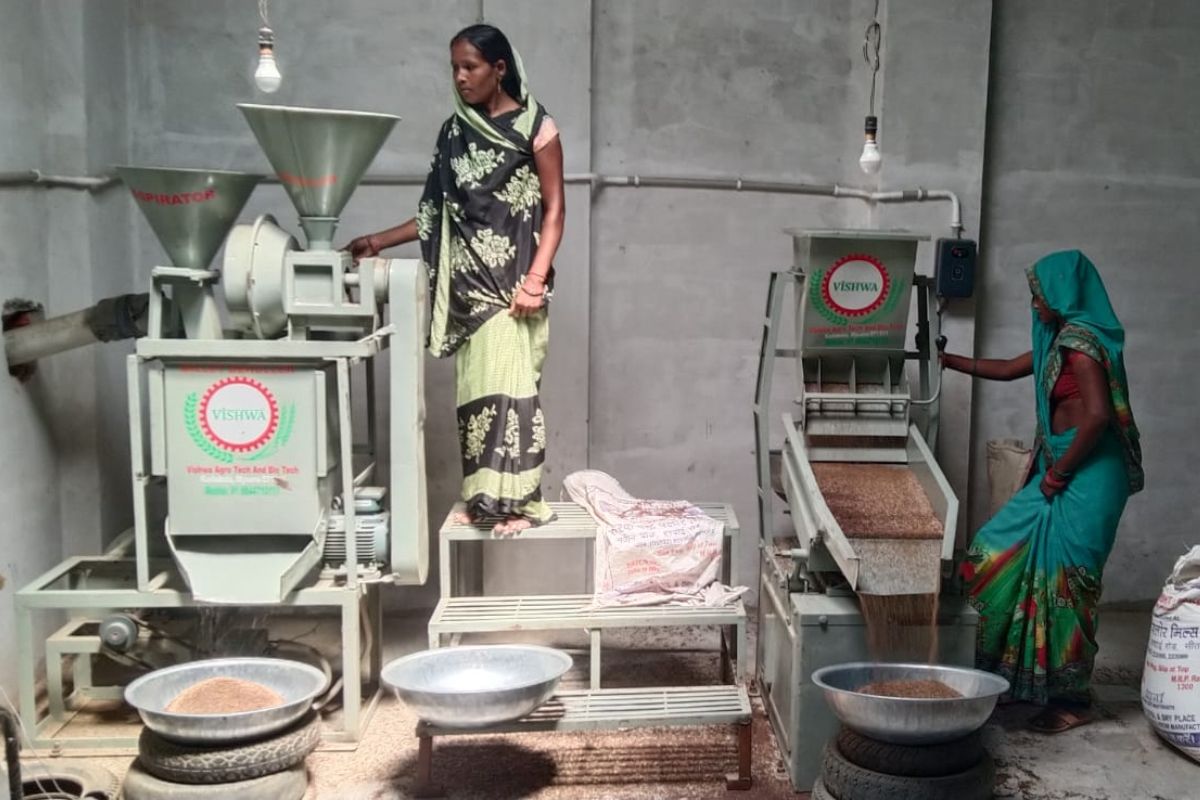
A farmer who sells tomatoes, turmeric or fruits immediately after harvest earns from the raw commodity. Processing can create another market by turning the same produce into products such as puree, powder, pickles, dried foods, jams or flour.
The government supports micro food-processing enterprises through the PM Formalisation of Micro Food Processing Enterprises scheme. The programme offers financial assistance, training, branding support and help with formalisation for eligible enterprises.
Fresh agricultural produce can have a short shelf life. Prices can also fall when large quantities arrive in the market at the same time. Processing can extend usability and create products that can be sold beyond the immediate harvest period.
The benefit is not automatic. Processing adds costs for equipment, labour, packaging, electricity, storage, transport and compliance. Farmers need to calculate whether the final product can generate enough revenue to cover these costs.
Farmers can select products based on what grows locally and what buyers already demand. Tomatoes can become puree or dried products, fruits can become jams or dehydrated foods, turmeric can be processed into powder and millets can be cleaned, milled and packed.
The One District One Product approach under PMFME is designed around locally important products. The scheme currently lists approved ODOP products across 713 districts in 35 states and Union Territories.
Can a farmer start with a small unit?
Yes. A micro-enterprise does not need to begin with a large processing plant. Farmers can start with basic equipment suited to one product, then expand after establishing regular buyers and understanding production costs.
The PMFME scheme supports setting up new and upgrading existing micro food-processing units. Individual units can receive a credit-linked capital subsidy of 35% of eligible project costs, subject to a maximum of ₹10 lakh.
The scheme provides more than equipment support. Eligible beneficiaries can receive training, help preparing project reports, assistance with regulatory approvals, hygiene guidance and support for upgrading their processing units.
District Resource Persons can help micro enterprises prepare Detailed Project Reports, obtain bank loans, upgrade units and meet required hygiene and regulatory standards. This can matter for farmers who have production skills but limited experience running a food business.
FPOs, producer cooperatives and SHGs can create common processing facilities instead of each farmer purchasing separate equipment. Shared infrastructure can include sorting, grading, storage, processing, packaging and testing facilities.
PMFME provides credit-linked support of 35% for eligible common infrastructure, with the maximum grant reaching ₹3 crore under the scheme. Such facilities are also intended to be available to other users on a hiring basis.
Can SHGs get support?
Yes. Self-help groups involved in food processing can receive seed capital of ₹40,000 per eligible member for working capital and purchasing small tools, subject to the scheme’s conditions and limits.
Individual SHG members can also receive support for food-processing enterprises. The scheme provides training and handholding through state rural livelihood missions and other local support systems.
Packaging is not just about making a product look attractive. It protects food from contamination, moisture, damage and deterioration during storage and transport.
Farmers moving from raw produce to packaged food need to consider package size, material, shelf life, storage conditions and labelling requirements. The right packaging should match the product and its expected distribution period.
Food businesses in India must obtain the appropriate FSSAI registration or licence. FSSAI says petty food manufacturers and small or cottage-scale food businesses with annual turnover up to ₹12 lakh fall under registration, while businesses above that threshold require a licence based on their category.
The exact requirement can also depend on the type and scale of food activity. Farmers should check the FSSAI eligibility system before starting commercial production rather than waiting until products are already being sold.
What other registrations may be needed?
Depending on the enterprise, farmers may need Udyam registration, GST registration where applicable and other local approvals. PMFME includes support for formalisation and training covering areas such as FSSAI standards, bookkeeping, registration, hygiene and business operations.
The scheme’s training component is designed to help entrepreneurs understand both food production and business management. This is important because a good crop product still needs proper accounting, packaging and market planning.
Start with the crop, not the machine. Farmers should identify which produce is available consistently, which part remains unsold or receives low prices and which processed product already has local demand.
For example, a tomato-growing cluster may examine puree or dried tomato products, while a millet-producing area may consider flour or ready-to-cook products. The final choice should follow raw-material availability, demand, shelf life and processing cost.
Farmers should calculate the complete cost before investing. This includes raw material, processing equipment, electricity, labour, packaging, transport, rent, maintenance, testing, licences and loan repayment.
They should then estimate the quantity of finished product obtained from each kilogram of raw produce. Comparing this figure with the expected selling price gives a clearer picture of whether the proposed enterprise can make money.
Why does market access matter?
A processing unit can increase production without increasing income if there are not enough buyers. Farmers should identify customers before purchasing expensive machinery.
Possible buyers include local retailers, restaurants, institutions, wholesalers and direct consumers. FPOs and SHGs can also create common brands and sell through organised channels. PMFME provides branding and marketing support for eligible groups.
Small processors can use digital platforms to reach customers outside their immediate village or district. WhatsApp, social media, local delivery services and online marketplaces can help create direct consumer channels.
A recent PMFME success story from Meghalaya describes a micro food-processing enterprise selling products across several districts and states, while also using WhatsApp and Facebook to reach customers.
M/S Mewan Food Processing Unit in Ri-Bhoi district started on a small scale with locally available fruits and spices. After receiving PMFME support, the enterprise purchased equipment including a refrigerator, dryer, sealing machine and weighing machine.
The unit now produces juices, jams, candies, spices, pickles and chips. PMFME’s May 2026 newsletter reports annual production capacity of 11,000 kilograms and employment for three local people.
Can one farmer do everything alone?
A farmer can operate an individual unit, but group models may reduce the cost of equipment and improve access to raw materials and markets. FPOs, cooperatives and SHGs can pool produce and operate common facilities.
This model can also help maintain a regular supply. A processor needs consistent raw material, while individual farmers may have irregular production. Group procurement can reduce that problem and improve the utilisation of processing equipment.
Farmers should first identify the product, market and raw-material supply. They should then prepare a realistic project report showing equipment costs, working capital, expected production, selling price, operating expenses and loan requirements.
PMFME provides model Detailed Project Reports for different food-processing categories. District Resource Persons can also assist applicants with project preparation and other steps in the application process.
Is food processing suitable for every farmer?
No. Processing requires time, capital, management and market access. Farmers should not invest simply because a subsidy is available. The better approach is to identify a clear market problem first. If farmers regularly lose value because produce is perishable, poorly graded or sold during a price glut, processing may provide one possible route to capture more value.
Food processing can give farmers another way to earn from what they already grow. But the business works only when production, food safety, packaging, finance and marketing are planned together.
PMFME offers a route for eligible micro enterprises to access credit-linked support, training and market assistance. Farmers can also work through FPOs and SHGs to share infrastructure and reduce individual investment requirements.
Also Read: Punarnava Jal – The world’s first organic fertilizer! Know how it is beneficial for farmers?
Contact us – If farmers want to share any valuable information or experiences related to farming, they can connect with us via phone or whatsapp at 9599273766 or you can write to us at “kisanofindia.mail@gmail.com”. Through Kisan of India, we will convey your message to the people, because we believe that if the farmers are advanced then the country is happy.
You can connect with Kisan of India on Facebook, Twitter, and Whatsapp and Subscribe to our YouTube channel.