



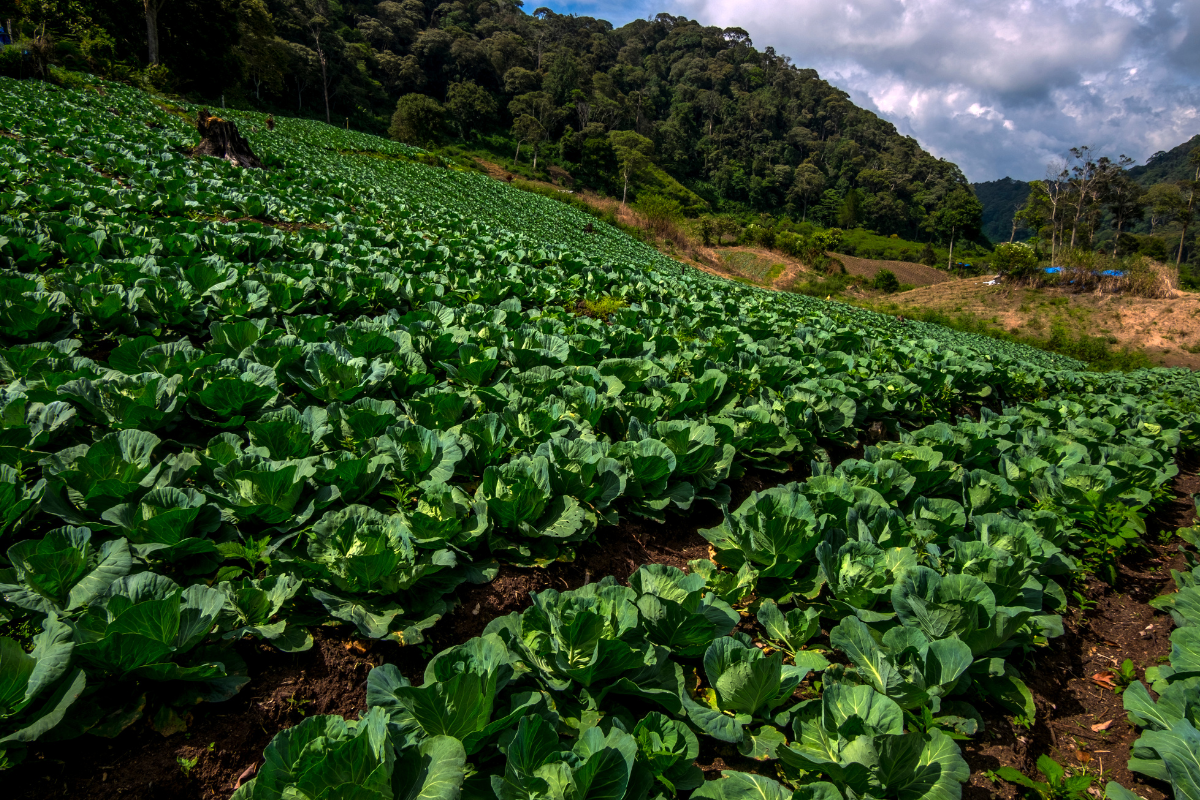
A farm can generate income beyond crops and livestock. Agri-tourism is one way farmers can earn by allowing visitors to experience farm life, local food, traditional activities and rural surroundings. A farm stay is one form of agri-tourism. But starting one involves more than putting a few rooms on a farm. Farmers need to consider accommodation, food, sanitation, safety, local rules and visitor demand.
A farm stay allows visitors to stay on or near an operating farm and experience aspects of rural life. Depending on the property, visitors may see crops, livestock, orchards or traditional food production. The business can combine accommodation with activities such as farm walks, harvesting, cooking demonstrations or local cultural experiences.
The exact model depends on the farm. A small orchard may offer seasonal harvesting experiences, while a livestock farm could focus on animal care and farm activities. Farmers do not need to copy a large resort model. A smaller operation can focus on what the farm already does well.
Accommodation is only one possible source of revenue. Farmers can also earn from meals, farm produce, guided activities and locally made products. A visitor may pay for a room and meals, then purchase fruit, vegetables, honey, spices, handicrafts or processed products directly from the farm.
This creates a connection between tourism and agricultural production. But farmers need to calculate the additional labour and operating costs before assuming that every activity will increase income. The business should be designed around resources the farm already has, where possible.
Does a farm need many rooms?
No. A farmer does not necessarily need a large property to test the idea. A small farm could begin with limited accommodation and offer a few activities. This allows the farmer to understand visitor demand before investing in more rooms or facilities. The number of rooms should match the farm’s ability to provide food, water, sanitation, cleaning and visitor support. A small operation may also be easier for a farmer to manage alongside regular agricultural work.
Activities should depend on the farm and the season. Visitors may participate in harvesting, planting demonstrations, livestock activities, cooking, nature walks or traditional food preparation. Seasonal activities can create different experiences throughout the year. An orchard may attract visitors during fruit harvesting, while a vegetable farm can offer farm-to-table experiences during another period. Farmers should not promise activities that could damage crops or disturb livestock. Visitor movement needs to be planned around normal farm operations.
Yes. Direct sales can become an important part of the business if visitors are interested in local products. Farmers can sell produce such as fruit, vegetables, honey, spices, pickles or other permitted farm-made products, depending on applicable food and local regulations.
Selling directly can give farmers another route to consumers. But products should meet applicable food-safety and labelling requirements. Farmers should also calculate packaging, storage and transport costs before deciding which products to offer.
Local food can become part of a farm-stay experience. Farmers may serve meals prepared with ingredients produced on the farm or sourced locally. The kitchen must still meet applicable food-safety requirements. Drinking water, food storage, waste disposal and hygiene need careful attention. Farmers should also consider the labour required to prepare meals. If visitors arrive during a busy agricultural season, cooking and hospitality can compete with farm work. A simple menu based on local ingredients may be easier to manage than offering many dishes.
Visitors need basic facilities such as safe accommodation, toilets, bathing facilities, drinking water, electricity and access to the property. The farm may also need parking, waste-management arrangements and basic emergency facilities. Infrastructure requirements will depend on the type of accommodation and local rules. Farmers should check these requirements before construction rather than building first and seeking approval later. Accessibility can also matter. Clear paths, adequate lighting and safe movement around animals and farm equipment can reduce risks for visitors.
What about safety?
A working farm contains machinery, tools, chemicals, animals, water bodies and uneven surfaces. Visitors may not recognise these hazards. Farmers should separate guest areas from dangerous farm operations. Machinery should not be left where visitors can access it without supervision. Animal interactions should also be controlled. Children and first-time visitors may need closer supervision around livestock. Clear instructions can help visitors understand where they can walk, which areas are restricted and how they should behave around animals.
Requirements depend on the state, location and type of accommodation and services offered. A farmer may need to check local tourism rules, building requirements, food-safety regulations, sanitation requirements and other local registrations before starting.
The business may also fall under different rules depending on whether the farmer provides accommodation, prepared food, packaged food or recreational activities. Farmers should contact their state tourism department and local authorities before investing. They should ask for the current requirements rather than relying on old information from other properties.
The calculation should include construction or renovation, furniture, water supply, electricity, sanitation, kitchen equipment, cleaning, staff, maintenance and marketing. Farmers should also calculate the value of their own time. Running a farm stay requires guest communication, bookings, cleaning and hospitality in addition to agricultural work.
Expected income should be based on realistic occupancy rather than assuming that rooms will remain full throughout the year. Seasonality matters. A farm near a popular tourist destination may have strong demand during one period and limited visitors during another.
Can small farmers start gradually?
Starting small can reduce the financial risk. A farmer could begin with limited accommodation and a small number of farm activities. The first season can provide information about visitor demand, operating costs and the type of experience guests actually value.
Farmers can then decide whether additional investment is justified. This approach also allows them to identify practical problems. Water shortages, waste management, food preparation and guest transport can become more important as visitor numbers increase.
A farm stay needs to reach potential visitors. Farmers can work with local tourism networks, travel platforms, tour operators and nearby attractions. Good photographs and clear information about accommodation, location, activities and prices can help visitors understand what they are booking.
Farmers can also work with nearby farms or local businesses to create wider rural experiences. But marketing should match capacity. Attracting more visitors than the farm can handle can create service and management problems.
Is it suitable for every farm?
No. A farm stay works best when the location, farm activity and visitor demand fit together. A farm close to a tourist route may have an advantage in attracting visitors. A remote farm may need stronger transport arrangements or a distinctive experience to attract guests.
The farm also needs enough water, basic infrastructure and labour to host visitors without disrupting agricultural work. Farmers should assess these factors before making major investments. A farm stay can create another income stream by connecting agriculture with accommodation, food and rural experiences. But the business requires more than converting a room into guest accommodation.
Farmers need to calculate investment, operating costs, seasonal demand and their own time. They also need to check tourism, food-safety, sanitation and local requirements before starting. The farm itself should remain the centre of the experience. A farmer who already grows crops, keeps livestock or processes local produce can build the visitor experience around those activities.
Also Read: Punarnava Jal – The world’s first organic fertilizer! Know how it is beneficial for farmers?
Contact us – If farmers want to share any valuable information or experiences related to farming, they can connect with us via phone or whatsapp at 9599273766 or you can write to us at “kisanofindia.mail@gmail.com”. Through Kisan of India, we will convey your message to the people, because we believe that if the farmers are advanced then the country is happy.
You can connect with Kisan of India on Facebook, Twitter, and Whatsapp and Subscribe to our YouTube channel.