


Cocoa Farming as a Business: Can Farmers Earn More by Growing Cocoa Under Coconut and Arecanut?

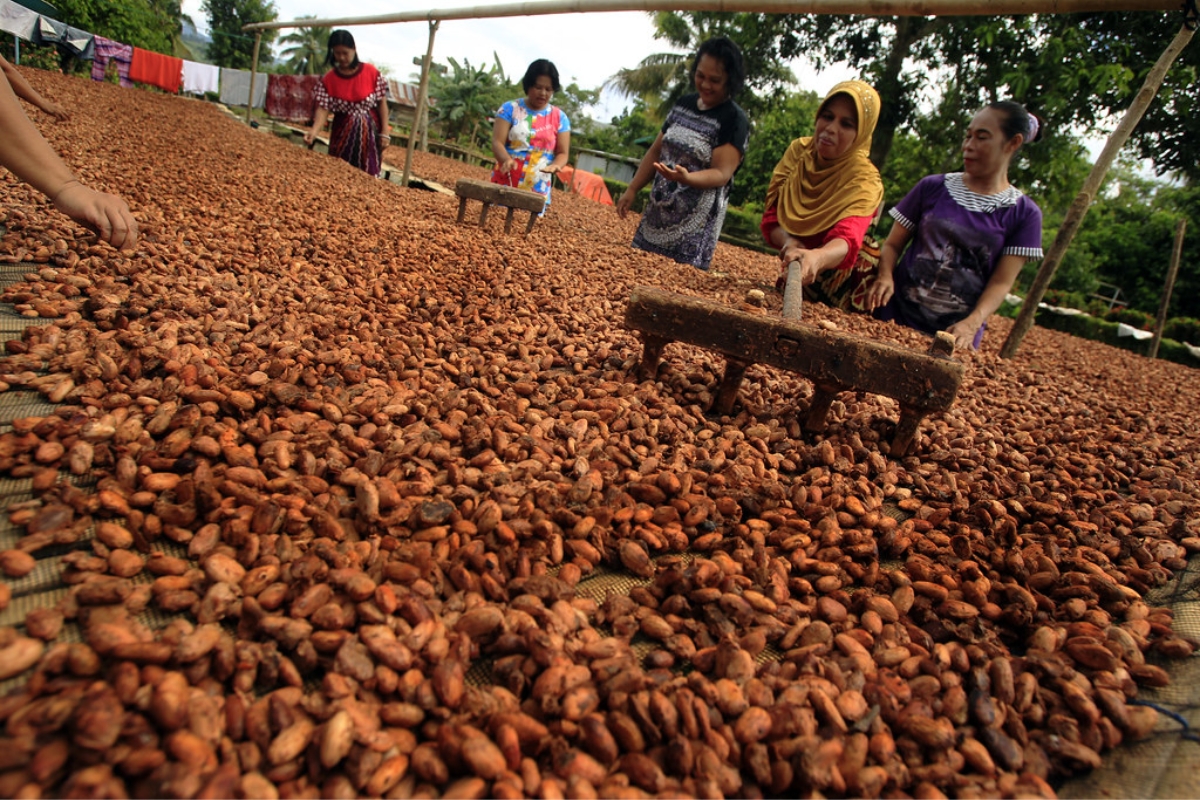
Cocoa is used to make chocolate and other food products, creating demand for its beans from India’s food-processing industry. Agricultural experts recently called for expanding domestic cocoa cultivation and improving planting material. The opportunity could interest farmers who already grow coconut, arecanut or oil palm in suitable regions.
At a meeting held at the ICAR-Central Plantation Crops Research Institute’s regional station in Vittal, Karnataka, experts highlighted a gap between domestic production and demand. India produces around 30,000 tonnes of cocoa against estimated domestic demand of nearly 1.1 lakh tonnes, according to the report.
Experts also discussed a national production target of two lakh tonnes by 2040. These figures suggest scope for expanding cultivation, but they do not guarantee that every new cocoa grower will earn a profit. Local climate, planting material, farm management, processing and access to buyers will shape the outcome.
Why Grow Cocoa as an Intercrop?
Cocoa can be grown beneath suitable plantation crops, including coconut and arecanut, where shade and other growing conditions are appropriate. Intercropping may help farmers use available land more fully while retaining their main plantation crop. The arrangement must be planned to avoid excessive competition for water, nutrients and space.
The system is not suitable for every farm. Cocoa needs a suitable warm, humid environment, adequate moisture and protection from harsh direct sunlight, particularly during early growth. Farmers in regions with unsuitable temperatures, water shortages or severe seasonal dryness should seek local advice before investing in seedlings.
The best starting point is to ask the nearest horticulture department, Krishi Vigyan Kendra or plantation-crop research centre whether cocoa has been tested in the district. Farmers should also examine existing plantations nearby and speak with growers about survival rates, maintenance costs and access to buyers.
Five Steps Before Starting a Cocoa Business
1. Check Whether Your Farm Is Suitable
Farmers should assess local rainfall, temperature, irrigation access, soil drainage and the shade available beneath existing trees. Cocoa seedlings may need temporary shade and regular care while they establish. Poor drainage, prolonged drought or unsuitable temperatures can weaken plants and delay returns.
Farmers should also consider the age and spacing of their coconut or arecanut plantation. A dense canopy may restrict light, while an open plantation may expose young cocoa plants to excessive sunlight. Local recommendations can help determine whether the existing layout can support an intercrop.
2. Buy Reliable Planting Material
Quality planting material is important because cocoa is a long-term investment. Farmers should purchase seedlings or other recommended planting material from recognised nurseries and check the variety, source and health of the plants. Cheap or unverified seedlings may lead to poor establishment and uneven performance.
ICAR-CPCRI has called for nurseries to follow its standard procedures for producing quality planting material. Farmers should ask which materials are suitable for their region and whether they have been evaluated under comparable growing conditions. They should avoid buying large quantities before confirming suitability and availability.
3. Calculate the Initial Investment
Before planting, farmers should estimate the cost of seedlings, pit preparation, labour, irrigation, shade management, fertilisers and crop protection. They should also account for the value of land and the time required before meaningful harvests begin. Cocoa is not a quick-return crop, so household cash needs matter.
A simple budget should include both establishment costs and annual maintenance expenses. Farmers can then estimate how much money they must spend before the first commercial harvest and whether income from their main plantation can cover those costs. The calculation should use local prices rather than general online estimates.
4. Confirm Buyers Before Planting at Scale
Cocoa beans may be sold to processors, traders or other buyers, depending on the local supply chain. Farmers should identify potential buyers and ask about quality standards, purchase quantities, transport arrangements and payment terms before expanding cultivation. A production opportunity is useful only when farmers can sell their harvest.
Post-harvest handling also matters. Fermentation, drying, storage and cleanliness can affect bean quality and the price offered. Farmers should learn the buyer’s specifications and available local processing facilities before harvest. Poorly handled beans may fetch lower prices even when the crop produces a reasonable quantity.
5. Plan for Pests, Diseases and Water
Cocoa requires regular monitoring for pests, diseases and moisture stress. Farmers should learn to identify local problems and follow recommendations from qualified horticulture officers. They should not assume that a shade-based plantation will need little maintenance or that organic practices alone will prevent every crop problem.
Water management is especially important during dry periods and the early establishment stage. Farmers should consider whether irrigation is affordable and reliable before planting. They should also check whether the intercrop could increase competition for water with coconut, arecanut or oil palm during summer.
How to Judge Whether Cocoa Is Profitable
Farmers should calculate net income rather than relying on the market value of the harvested beans. Their accounts should include planting material, labour, irrigation, fertilisers, crop protection, post-harvest processing, transport and losses. Income can vary with yield, bean quality and the price offered by buyers.
A small pilot planting can help farmers understand local growing conditions before they expand. They should record seedling survival, maintenance costs, harvest quantity and sale prices over time. These records can show whether cocoa adds income without reducing the performance of the main plantation crop.
India’s gap between cocoa production and domestic demand has drawn attention to the need for more cultivation and better planting material. For farmers in suitable plantation regions, cocoa intercropping may offer a way to diversify farm income without replacing their existing crops.
The decision should still begin with local suitability, reliable seedlings, a realistic budget and confirmed buyers. Farmers should seek guidance from ICAR-CPCRI or local horticulture experts and start on a manageable scale. Demand creates an opportunity, but careful planning determines whether that opportunity becomes a profitable farm business.
Also Read: Punarnava Jal – The world’s first organic fertilizer! Know how it is beneficial for farmers?
Contact us – If farmers want to share any valuable information or experiences related to farming, they can connect with us via phone or whatsapp at 9599273766 or you can write to us at “kisanofindia.mail@gmail.com”. Through Kisan of India, we will convey your message to the people, because we believe that if the farmers are advanced then the country is happy.
You can connect with Kisan of India on Facebook, Twitter, and Whatsapp and Subscribe to our YouTube channel.