


Organic French Bean Farming in Northeast India: Can Better Crop Management Improve Farm Income?

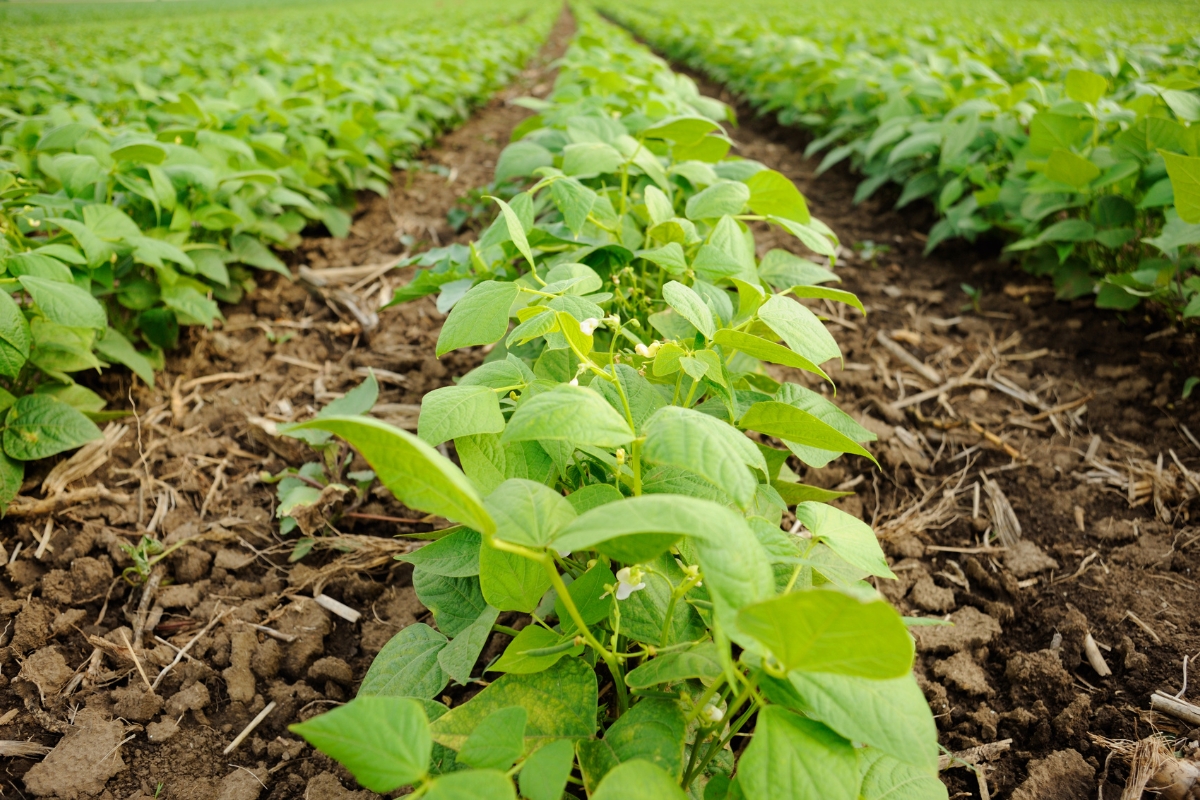
French beans can provide farmers with a marketable vegetable crop within a relatively short growing period, depending on the variety and local conditions. The crop can fit into diversified farming systems, but its returns depend on seed quality, suitable weather, crop protection, labour and access to buyers.
On 9 October 2026, the Indian Council of Agricultural Research featured organic French bean cultivation as a success story from the North Eastern Hill Region. The example highlights the potential of suitable crop management and organic production practices in a region where farmers often work on small and fragmented holdings.
The story offers a starting point for growers interested in expanding vegetable production. It should not be treated as proof that organic French beans will be profitable on every farm. Farmers need to assess local growing conditions, input costs and market demand before deciding whether to adopt the crop.
Choose the Right Variety and Growing Season
French beans need a variety suited to local temperature, rainfall, soil and market preferences. Farmers should ask their nearest Krishi Vigyan Kendra or horticulture department which varieties have performed well in their area. They should also check whether buyers prefer fresh green pods or another marketable form.
Seed should come from a reliable source, with the variety name and other required details clearly marked on the packet. Farmers should follow the recommended sowing depth, spacing and seed rate. Planting too densely can restrict airflow and make crop management more difficult, particularly in humid conditions.
The appropriate sowing period differs across the Northeast because elevation and local weather vary widely. Farmers should use district-level recommendations rather than copying the calendar of another state. They should also consider whether the crop will mature when local markets are able to absorb the expected harvest.
Three Practices That Can Support Crop Growth
1. Build Soil Health
Farmers practising organic cultivation can use well-decomposed farmyard manure or compost to improve soil structure and contribute nutrients. The material should be prepared properly and applied according to crop requirements. Poorly decomposed manure may cause problems and should not be treated as a substitute for careful nutrient management.
French beans belong to the legume family and can form nitrogen-fixing associations with suitable soil bacteria. The amount of nitrogen fixed depends on crop growth, soil conditions and effective nodulation. Farmers should not assume that this process supplies every nutrient the crop needs or eliminates all requirements for soil testing.
2. Manage Moisture and Drainage
French beans need adequate soil moisture during establishment, flowering and pod development. Water shortages can affect plant growth, while waterlogging can damage roots and increase the risk of disease. Farmers should select well-drained fields and plan irrigation according to rainfall and the crop’s stage.
Mulching may help conserve moisture and suppress weeds where the material and conditions are suitable. In hilly areas, farmers should also prevent soil erosion and avoid allowing heavy runoff to damage beds. The choice of mulch and drainage measures should reflect local slope, rainfall and field layout.
3. Monitor Pests and Diseases
Vegetable crops can suffer from insect pests and fungal or bacterial diseases, particularly when humidity is high or fields remain wet. Farmers should inspect plants regularly and remove badly affected material where recommended. Early identification can help prevent a small problem from spreading across the crop.
Organic production does not mean pest and disease problems disappear. Farmers should use preventive practices such as suitable spacing, crop rotation, clean planting material and proper field sanitation. If a treatment is needed, they should follow locally approved organic production guidance and avoid unverified mixtures that may damage plants.
Can Organic French Beans Bring Better Returns?
The financial outcome depends on the price received, yield, labour and the cost of maintaining the crop. Organic production may appeal to buyers seeking produce grown under specific standards, but farmers should not assume that every market will pay a premium simply because a crop was grown without synthetic inputs.
Before expanding, growers should ask traders, retailers or local consumer groups about expected demand, quality requirements and purchase quantities. They should estimate the cost of seed, manure, labour, irrigation, harvesting, packaging and transport. Net income after these expenses gives a clearer picture than gross sales alone.
Farmers selling produce as certified organic must follow the applicable certification requirements. They should not label produce as certified organic without the required status. Those using organic methods without certification should communicate their practices accurately and check which claims they are legally allowed to make.
Plan Harvesting and Marketing Before Sowing
French beans are perishable, so harvesting and marketing arrangements matter. Farmers should understand the buyer’s preferred pod size, maturity and quality before planting. They should also estimate how much labour will be available during harvest, when repeated picking may be needed depending on the variety and market requirements.
Growers can consider working through a farmer producer organisation or cooperative if individual volumes are too small to attract buyers. Group marketing may help organise collection and transport, but it requires clear agreements on quality, grading, payment and responsibility for unsold produce.
ICAR’s recent recognition of organic French bean cultivation draws attention to vegetable farming as a possible source of income in the Northeast. Its practical value lies in encouraging farmers to examine suitable varieties, soil management, crop protection and market planning together rather than treating organic inputs as a complete solution.
Farmers interested in French beans should start with local recommendations and a manageable plot. They can record production costs, yield and sale prices through the season before expanding. A careful trial can show whether the crop fits the farm’s resources and whether buyers offer returns that justify the additional work.
Also Read: Punarnava Jal – The world’s first organic fertilizer! Know how it is beneficial for farmers?
Contact us – If farmers want to share any valuable information or experiences related to farming, they can connect with us via phone or whatsapp at 9599273766 or you can write to us at “kisanofindia.mail@gmail.com”. Through Kisan of India, we will convey your message to the people, because we believe that if the farmers are advanced then the country is happy.
You can connect with Kisan of India on Facebook, Twitter, and Whatsapp and Subscribe to our YouTube channel.