


Integrated Farming in Sikkim: Can Combining Crops, Dairy and Poultry Reduce Farm Risks?

Small farmers who depend on a single crop can face financial pressure when yields fall, weather damages production or market prices decline. Integrated farming offers another approach by combining crops with activities such as livestock rearing, poultry, fisheries and horticulture. The aim is to use farm resources more effectively and spread production risks.
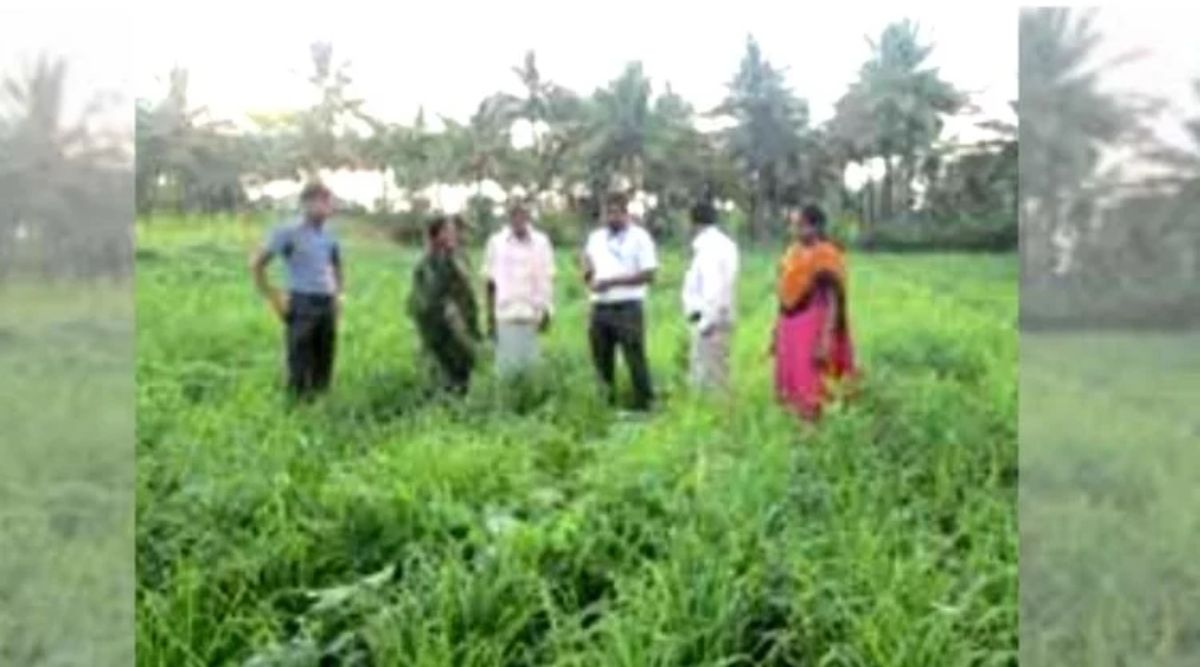
The ICAR Research Complex for the North Eastern Hill Region’s Sikkim Centre has demonstrated an integrated organic farming model at Lingdong village in Dzongu, North Sikkim. Developed since 2021 on farmer Tshering Ongden Lepcha’s farm, the model combines crop diversification with dairy, fisheries, poultry and horticulture.
The model received attention during a visit by Sikkim Governor Om Prakash Mathur on 8 September 2026. The programme also featured mulching, seasonal crop rotation, vermicomposting, backyard poultry, beekeeping, Azolla cultivation and off-season vegetable production under protected conditions.
The demonstration shows how different activities can operate on one farm. It does not establish that every farmer will earn more by copying the same combination. Land size, water supply, labour, investment, skills and access to markets determine which activities make sense.
How Different Farm Activities Can Support One Another
1. Combine Crops With Livestock
Crop farming and livestock rearing can complement each other when managed carefully. Crop residues may provide feed for suitable animals, while properly handled animal manure can contribute organic matter and nutrients to fields. Farmers must still ensure that feed is safe and that manure is composted or applied according to local recommendations.
A farmer does not need to begin with several livestock species. Starting with one manageable activity can help the household learn about feeding, animal health, housing and marketing before expanding. Farmers should calculate feed costs and veterinary expenses because livestock can become a financial burden when these are underestimated.
2. Use Poultry for an Additional Income Stream
Backyard poultry can provide eggs or meat alongside crop production. It may suit households with limited land, but birds still need secure housing, balanced feed, clean water and protection against disease and predators. The number of birds should match the household’s capacity to care for them.
Before starting, farmers should check local demand for eggs or birds and identify reliable sources of healthy chicks. They should also ask veterinary services about vaccination and disease prevention. Revenue from poultry must be assessed after accounting for feed, housing, mortality and other expenses.
3. Add Horticulture Where Conditions Permit
Vegetables, fruits and other horticultural crops can diversify farm production. In hill regions, suitable crops depend on elevation, temperature, rainfall, soil and the length of the growing season. Protected cultivation may help farmers produce certain vegetables outside the normal open-field season, but structures and maintenance require investment.
Farmers should identify buyers before expanding production, especially for perishable vegetables. They should also consider transport access and storage options. A crop that grows well may still produce poor returns if it reaches the market late or if several farmers harvest the same produce simultaneously.
Five Practices That Help an Integrated Farm Work
1. Recycle Farm Resources
Composting crop residues and suitable organic waste can return nutrients to the soil. Farmers should manage manure and other materials properly to reduce contamination and nutrient losses. Recycling can reduce some input needs, but it does not guarantee that every crop receives all the nutrients it requires.
2. Use Mulching to Manage Soil Moisture
Mulching can reduce direct soil exposure, slow moisture loss and help control weeds. The material and thickness should suit the crop and local conditions. Farmers should avoid using contaminated materials and monitor for pests or excess moisture where the mulch remains in contact with plants.
3. Rotate Crops
Seasonal crop rotation can help diversify production and interrupt some pest and disease cycles. Including suitable legumes may contribute to soil fertility through biological nitrogen fixation. The crop sequence should match the local climate, soil conditions, sowing calendar and market demand rather than follow a fixed pattern everywhere.
4. Plan Water Use
The Sikkim demonstration included micro-irrigation for winter water management and a gravity-based system for directing stream water towards trout farming. These methods depend on local terrain, water availability and technical design. Farmers should obtain professional guidance before installing water systems or diverting streams.
5. Keep Production and Cost Records
Farmers should record the money spent and earned from each activity separately. These records help identify which enterprise contributes most to household income and which consumes too much labour or capital. They also make it easier to decide whether an activity should be expanded, modified or discontinued.
Start Small Instead of Copying the Entire Model
An integrated farm can require more planning than a farm growing one crop. Each additional enterprise brings its own feeding, watering, health, labour and marketing needs. Poorly planned expansion can increase costs and leave farmers with more work but little additional income.
Farmers should begin by listing the resources they already have, including land, water, family labour, crop residues and existing livestock. They can then select one complementary activity and test it on a manageable scale. A nearby Krishi Vigyan Kendra or agriculture department can help assess suitability and provide technical advice.
Diversifying farm activities can reduce dependence on a single source of income, although it cannot eliminate climate risks. Drought, flooding, disease and market disruption may affect several enterprises at once. Farmers should therefore consider how water shortages, extreme weather and feed availability could affect the entire system.
The North Sikkim model highlights the potential of combining crop production, livestock, poultry, fisheries and horticulture with resource recycling. For farmers considering a similar approach, the most important lesson is to build a system around local resources and realistic market opportunities rather than adopting every component at once.
Also Read: Punarnava Jal – The world’s first organic fertilizer! Know how it is beneficial for farmers?
Contact us – If farmers want to share any valuable information or experiences related to farming, they can connect with us via phone or whatsapp at 9599273766 or you can write to us at “kisanofindia.mail@gmail.com”. Through Kisan of India, we will convey your message to the people, because we believe that if the farmers are advanced then the country is happy.
You can connect with Kisan of India on Facebook, Twitter, and Whatsapp and Subscribe to our YouTube channel.