



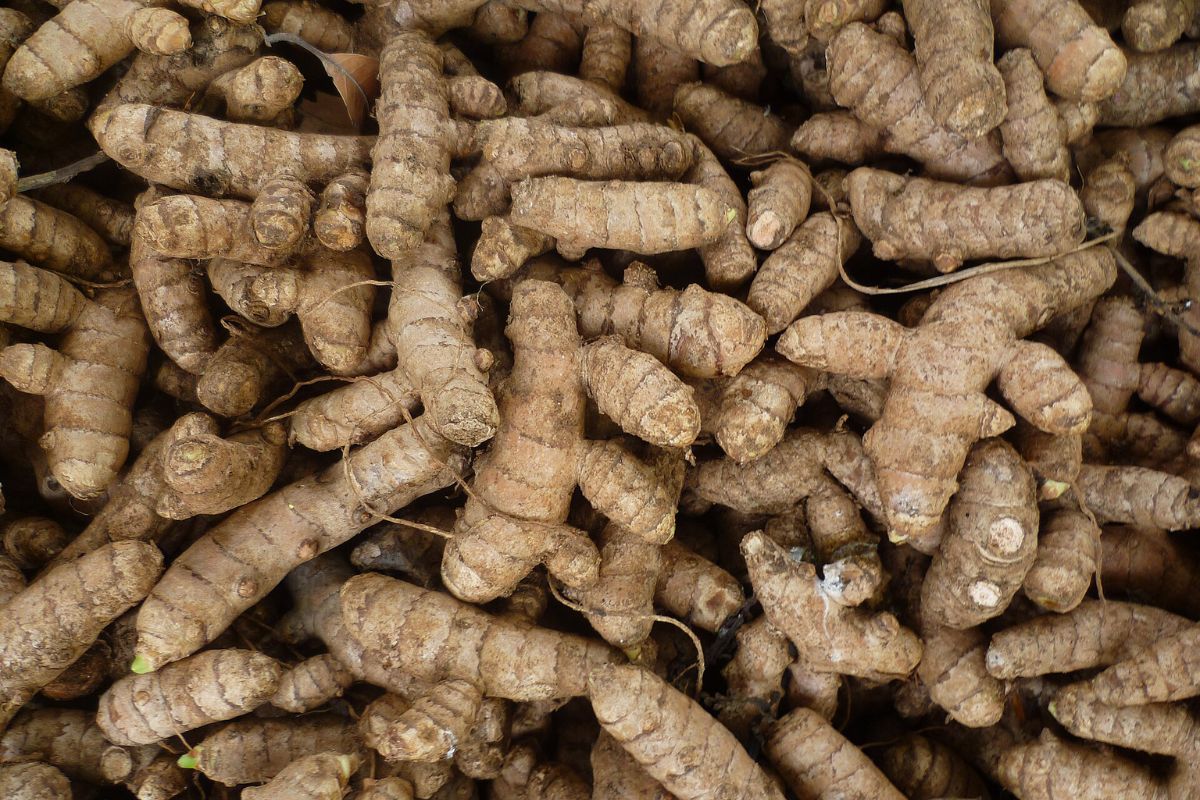
In the West Jaintia Hills of Meghalaya, turmeric has been cultivated for generations, but not all turmeric grown here is the same. Lakadong turmeric, named after the Lakadong area where it is traditionally produced, has gained attention across India because of its exceptionally high curcumin content.
Curcumin is the compound responsible for turmeric’s colour and many of its health-related properties. What was once sold mainly through local markets is now reaching consumers across the country, creating new economic opportunities for farming families in the region.
The crop benefits from Meghalaya’s unique climate, fertile soils, and abundant rainfall. Farmers cultivate turmeric on hill slopes and small farms where large-scale mechanised agriculture is rarely possible. Most cultivation remains family-based, with planting, harvesting, and processing carried out using traditional methods.
The combination of altitude, soil conditions, and local farming practices contributes to the quality that distinguishes Lakadong turmeric from many commercial varieties grown elsewhere in India.
Ordinary turmeric varieties typically contain lower levels of curcumin. Lakadong turmeric is known for significantly higher concentrations, making it attractive to health-conscious consumers and food-processing companies. This quality has helped farmers secure better prices than those available for standard turmeric varieties.
Traders, wellness brands, and spice companies increasingly source Lakadong turmeric directly from Meghalaya, creating a premium market segment that rewards quality rather than volume alone.
Farmer Collectives Are Strengthening Market Access
One challenge facing hill farmers has been connecting with larger markets. Over the years, farmer producer groups and cooperatives have helped improve aggregation, packaging, and marketing of Lakadong turmeric. Instead of selling individually to middlemen, many growers now participate in collective marketing efforts that improve bargaining power. Better branding has also helped consumers identify the product’s origin, allowing farmers to benefit from the crop’s growing reputation across domestic markets.
The biggest growth is happening beyond cultivation itself. Entrepreneurs are processing Lakadong turmeric into powders, health supplements, herbal products, beverages, and wellness items. Packaging and branding have transformed the crop from a local agricultural commodity into a premium consumer product.
This shift has created employment opportunities in processing, packaging, logistics, and retailing. For many rural communities, the business potential now extends well beyond the farm gate.
The success of Lakadong turmeric has encouraged some younger residents to view agriculture differently. Instead of seeing farming only as crop production, they are exploring opportunities in processing, branding, online sales, and direct-to-consumer marketing. Social media and e-commerce platforms have helped small businesses reach customers across India. In a region where migration for employment is common, agriculture-linked entrepreneurship is emerging as an alternative pathway for some young people.
Climate Risks Still Need Attention
Like many agricultural regions, Meghalaya faces weather-related challenges. Excessive rainfall, changing weather patterns, and soil erosion can affect production. Farmers are increasingly investing in better soil management and post-harvest practices to protect crop quality. Maintaining the premium reputation of Lakadong turmeric will depend not only on market demand but also on preserving the environmental conditions that make the crop unique.
Lakadong turmeric demonstrates how regional agriculture can create value through quality, identity, and market positioning. The crop succeeds not because it is produced on vast plantations, but because it offers something distinct. For Meghalaya’s farmers, turmeric has become more than a spice. It is helping build a rural economy based on local strengths, traditional knowledge, and growing consumer interest in authentic agricultural products.
Also Read: Punarnava Jal – The world’s first organic fertilizer! Know how it is beneficial for farmers?
Contact us – If farmers want to share any valuable information or experiences related to farming, they can connect with us via phone or whatsapp at 9599273766 or you can write to us at “kisanofindia.mail@gmail.com”. Through Kisan of India, we will convey your message to the people, because we believe that if the farmers are advanced then the country is happy.
You can connect with Kisan of India on Facebook, Twitter, and Whatsapp and Subscribe to our YouTube channel.