



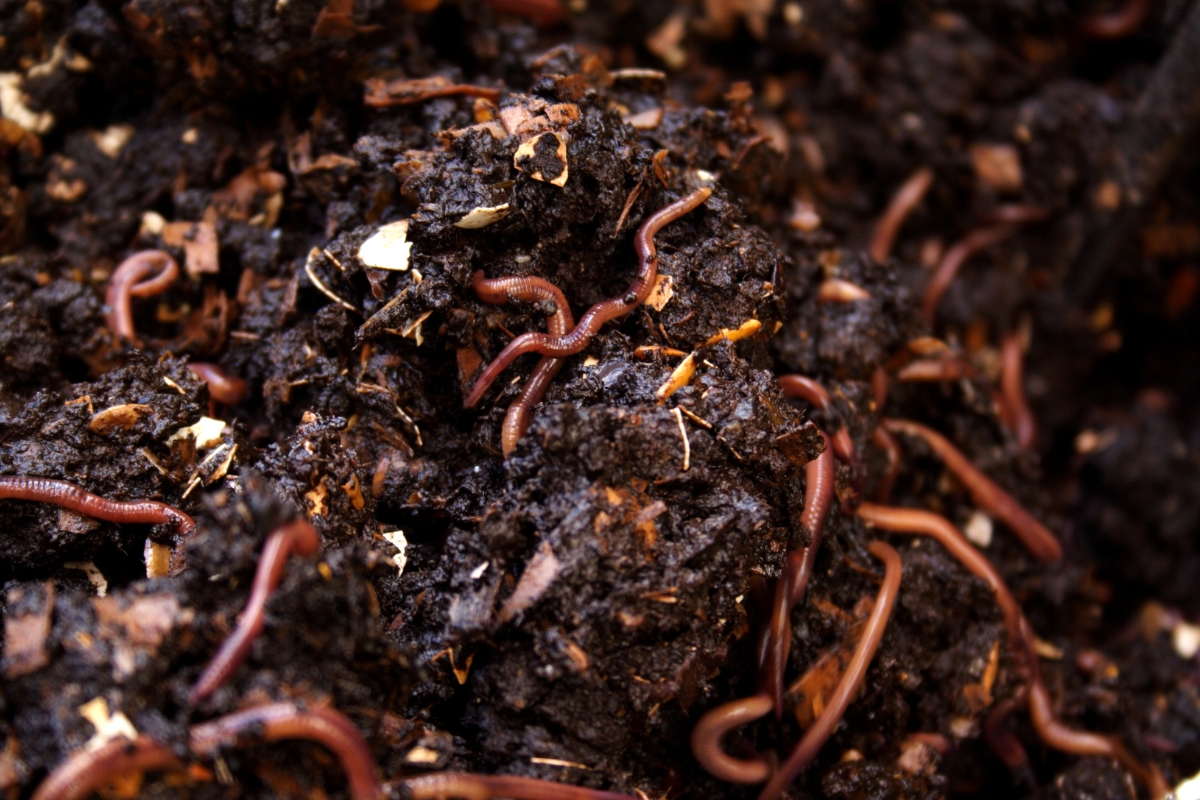
At 62, Mrs. Vihuli of Niuland Town in Nagaland has turned a small vermicomposting activity into a diversified farm enterprise. Her experience shows how technical training, better production practices and modest infrastructure support can change the economics of a small rural business.
Before working with Krishi Vigyan Kendra Dimapur, Vihuli operated one portable vermibag measuring 6 × 4 × 2 feet. She produced about 290 kg of vermicompost in a year and sold it at ₹30 per kg. Her gross return was ₹8,700, but her net income was only ₹1,300.
The major change began in December 2024 when Vihuli came in contact with KVK Dimapur. The KVK provided hands-on training in scientific vermicompost production, including improved bed management, moisture regulation, timely feeding of organic material and proper harvesting techniques.
The training addressed one of her biggest limitations: production frequency. Earlier, she harvested vermicompost only once a year. Scientific management helped her improve the production cycle and make better use of the organic material available to her.
KVK Dimapur also provided an additional portable vermibag measuring 8 × 4 × 2 feet. With two bags and improved management practices, Vihuli expanded her activity in 2025 instead of continuing with the single-unit system she had used previously.
The change was substantial. She produced about 610 kg of vermicompost per harvest and completed three harvests during 2025. Her annual vermicompost production reached 1,830 kg, compared with just 290 kg before she received technical support.
Income Came From More Than Compost
At a selling price of ₹30 per kg, the 1,830 kg of vermicompost generated ₹54,900 in gross revenue during 2025. But Vihuli did not depend only on compost sales. The KVK introduced her to additional products that could be produced alongside vermicomposting.
She produced 50 litres of vermiwash and earned ₹1,250 from its sale. Vermiwash is a liquid product associated with vermicomposting systems and can be marketed as an organic farm input. The additional product gave her another revenue stream without requiring a completely separate enterprise.
Vihuli also began multiplying and selling earthworms. In 2025, she sold 4 kg of earthworms at ₹2,000 per kg, generating ₹8,000. This shows how a vermicomposting unit can potentially earn from both the finished compost and the biological material used in production.
Together, vermicompost, vermiwash and earthworm sales generated ₹64,150 in gross income during 2025. Her total production cost was ₹19,300, leaving a net income of ₹44,850. Her benefit-cost ratio increased from 1.17:1 before KVK support to 3.32:1.
The most important change was not simply adding another vermibag. Vihuli received practical guidance on how to manage the production process. Moisture regulation, feeding schedules, bed management and harvesting can affect the quantity and quality of vermicompost produced.
ICAR’s Nagaland Centre has also conducted practical farmer training on vermicomposting, covering earthworm selection, preparation of vermicompost units, moisture and temperature management, harvesting, storage and use of vermicompost and vermiwash.
The experience is relevant for farmers who already have access to animal dung, crop residues, vegetable waste or other biodegradable materials. ICAR’s technical material lists animal dung, crop residues, weeds, vegetable waste, leaf litter and other biodegradable materials among potential raw materials for vermicompost production.
But farmers should not assume that every vermicomposting unit will produce the same returns. Production depends on the availability and cost of raw materials, labour, earthworms, moisture management, local climate, production capacity and the selling price available in the local market.
Can Vermicomposting Become A Business?
Vihuli’s case shows that vermicomposting can move beyond household-level manure production when there is enough raw material and a reliable market. Selling multiple products can also reduce dependence on one source of income.
Farmers can potentially sell vermicompost to other farmers, nurseries, kitchen-garden growers and horticultural producers. Earthworm multiplication can create another market among people starting new vermicompost units, while vermiwash can provide an additional product where local demand exists.
The first step should be market research. A farmer should find out how much compost local buyers need, what price they are willing to pay and whether competitors already supply the area. Production should be expanded only after understanding the likely demand.
Vihuli’s experience highlights the importance of training before investment. A farmer does not necessarily need a large structure or expensive machinery to begin vermicomposting. But proper knowledge of moisture, feeding, harvesting and earthworm management can make a major difference.
Farmers can approach their local KVK for training and technical advice. KVKs can also help identify suitable production practices for local conditions and connect farmers with demonstrations or other agricultural programmes.
The business can also be expanded gradually. Starting with one or two units allows farmers to understand production costs and market demand before increasing capacity. This reduces the financial risk of investing heavily in an enterprise that has not yet found buyers.
From Farm Waste To Rural Income
Vihuli’s story is ultimately about using available resources more productively. What began as a small vermicomposting activity producing 290 kg annually became a three-harvest enterprise producing 1,830 kg of compost, along with vermiwash and earthworms.
Her net income increased more than thirty-four times, from ₹1,300 to ₹44,850, after KVK training, improved management and expansion. The figures are specific to her enterprise and should not be treated as guaranteed returns for every farmer.
For farmers considering vermicomposting, the practical lesson is to look at it as both a soil-input activity and a possible small enterprise. With suitable raw materials, technical knowledge and a local market, farm waste can become a source of additional income rather than simply something to discard.
Also Read: Punarnava Jal – The world’s first organic fertilizer! Know how it is beneficial for farmers?
Contact us – If farmers want to share any valuable information or experiences related to farming, they can connect with us via phone or whatsapp at 9599273766 or you can write to us at “kisanofindia.mail@gmail.com”. Through Kisan of India, we will convey your message to the people, because we believe that if the farmers are advanced then the country is happy.
You can connect with Kisan of India on Facebook, Twitter, and Whatsapp and Subscribe to our YouTube channel.