


Botanical Pest Control: Can Neem-Based Preparations Help Farmers Cut Chemical Use?

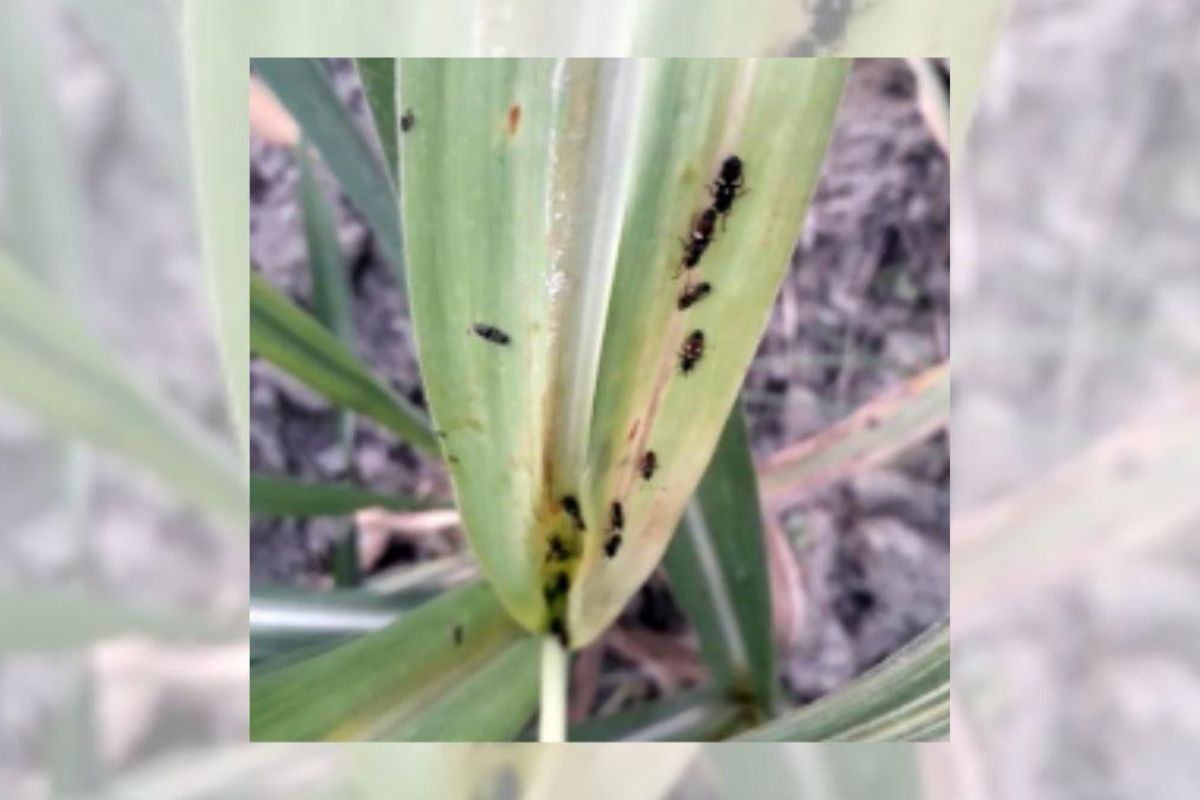
Farmers often look for ways to manage insects without depending entirely on chemical pesticides. Botanical preparations made from plants such as neem are one option. But they work best as part of a wider pest-management system rather than as a universal replacement for every pesticide.
ICAR’s September 2026 guidance on Integrated Pest Management says farmers should prioritise prevention, regular field monitoring and informed decisions, using non-chemical methods wherever possible. Pesticides should be used only when necessary and at recommended doses.
Botanical pest control uses plant-derived materials to help manage crop pests. Neem is one of the most widely used plants in agricultural pest management, with neem-based formulations and extracts used against different insect pests.
The attraction for farmers is that many botanical materials can be prepared or sourced locally, potentially reducing dependence on some purchased inputs. But “natural” does not automatically mean harmless or equally effective against every pest.
ICAR farmer programmes have demonstrated neem-based formulations, botanical extracts and other biological approaches alongside crop monitoring. In Bihar, ICAR-MGIFRI advised farmers to combine neem-based formulations and bio-pesticides with regular surveillance and timely pest identification.
Farmers should therefore identify the pest before deciding what to apply. A preparation that may help manage one insect may have little effect on another pest or on a fungal, bacterial or viral disease.
How Can Neem Help?
Neem contains compounds that can affect insect feeding, growth and behaviour. Neem-based products are used in integrated pest-management programmes for several agricultural pests, but their performance can vary with the pest, formulation, concentration, crop and weather conditions.
ICAR’s sustainable-farming programmes have specifically demonstrated neem oil and neem-based formulations. At an ICAR-CIARI programme in the Andaman and Nicobar Islands, neem oil was demonstrated for managing mealybug infestation in coconut plantations.
Neem cake can also have agricultural uses beyond foliar pest management. ICAR-MGIFRI has encouraged the use of organic amendments such as neem cake and karanj cake in suitable situations, including efforts to improve soil health and reduce soil-borne pest incidence.
The important point is that neem should be used according to the crop and pest problem. Farmers should follow recommendations from agricultural universities, KVKs or approved product labels instead of assuming that a stronger concentration will always give better control.
Natural farming systems may use preparations made from several locally available plants. During a June 2026 farmer programme in East Champaran, ICAR-MGIFRI demonstrated Dashparni Ark, a botanical formulation prepared using leaves from ten plants, including neem, karanj, castor, dhatura, papaya and guava.
Such preparations are part of traditional and natural-farming approaches, but farmers should understand that evidence and effectiveness can vary between formulations. Preparation quality, plant material, concentration, storage and application timing can all affect results.
ICAR’s natural-farming material also describes preparations such as Neemastra, Agniastra and Brahmastra in the context of Subhash Palekar Natural Farming. These should not be treated as universally validated replacements for registered crop-protection products in every crop and pest situation.
Farmers should also be careful with ingredients that can be toxic or irritating. “Plant-based” does not automatically mean that a preparation is safe for the person applying it, beneficial insects or the crop.
Why Monitoring Comes First
The biggest mistake in pest management is spraying before identifying the problem. ICAR’s current IPM guidance puts prevention and regular monitoring at the centre of pest management.
Farmers should inspect leaves, shoots, flowers and fruits regularly and look for the insect, its eggs, feeding damage or other signs. Monitoring helps determine whether the pest population is increasing and whether intervention is actually necessary.
Farmers should also protect beneficial insects. Predatory insects, parasitoids and pollinators can contribute to natural pest control. Unnecessary spraying, even with some botanical products, can disturb these organisms and weaken the natural balance in the field.
Not always. Botanical products can be useful in an integrated approach, but their effectiveness depends on the pest and situation. A severe infestation may require a different intervention, particularly when crop damage is approaching an economically damaging level.
ICAR’s September 2026 IPM guidance specifically recommends using multiple methods, including cultural, physical, mechanical, varietal, biological, bio-rational and chemical measures. Chemical pesticides remain one tool, but they should be used only when necessary and at recommended doses.
This approach is different from simply replacing every chemical pesticide with a homemade botanical spray. The goal is to keep pest populations below economically damaging levels while reducing unnecessary risks to farmers, consumers and the environment.
What Should Farmers Do?
Farmers should first identify the pest and check the crop-specific recommendation from their KVK, agricultural university or agriculture department. They should then select a suitable botanical formulation or registered product and follow the recommended preparation, concentration and application method.
Spraying should be done at the appropriate pest stage and under suitable weather conditions. Farmers should avoid indiscriminate mixing of different preparations because compatibility and effectiveness cannot be assumed.
Record-keeping can also help. Farmers can note the pest observed, preparation used, application date, weather and crop response. Over several seasons, these records can show which approaches work reliably under local conditions.
Botanical pest management can be useful for farmers who want to reduce unnecessary pesticide use, particularly when combined with field sanitation, resistant varieties, traps, biological control and regular monitoring.
Its greatest value is not that it eliminates all chemical pesticides. Instead, botanical methods can become one part of an integrated system in which farmers intervene only when necessary and choose the least disruptive effective method.
For natural and organic farmers, this distinction is important. Sustainable pest management depends on prevention and observation as much as on the product applied. Neem and other botanical preparations can support that approach, but they should be used with crop-specific knowledge and realistic expectations.
Also Read: Punarnava Jal – The world’s first organic fertilizer! Know how it is beneficial for farmers?
Contact us – If farmers want to share any valuable information or experiences related to farming, they can connect with us via phone or whatsapp at 9599273766 or you can write to us at “kisanofindia.mail@gmail.com”. Through Kisan of India, we will convey your message to the people, because we believe that if the farmers are advanced then the country is happy.
You can connect with Kisan of India on Facebook, Twitter, and Whatsapp and Subscribe to our YouTube channel.