



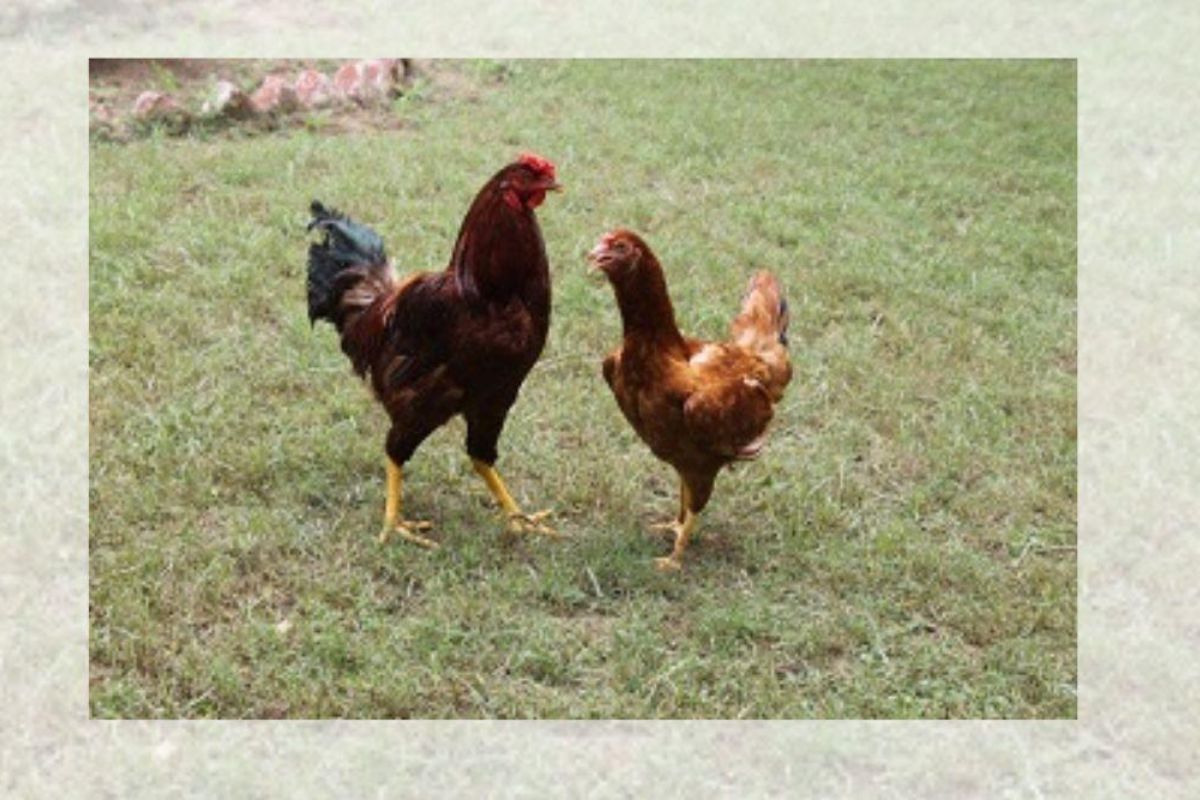
Phool Kumari, a tribal farmer from Jharkhand’s Gumla district, once depended mainly on rainfed farming and earned about ₹50,000–60,000 a year. She later added improved backyard poultry and hatchery activities to her livelihood. ICAR says her poultry enterprise generated a net income of ₹2,23,400 in 2025–26.
Her shift began with support from Krishi Vigyan Kendra Gumla. The KVK provided training and promoted improved poultry breeds, helping her move from a small household activity towards a more organised enterprise involving birds, chicks and eggs.
Kumari’s earlier livelihood depended on rainfed agriculture. ICAR records her annual income from farming at around ₹50,000–60,000. Rain dependence can make farm income vulnerable to rainfall conditions. Adding livestock or poultry can give rural households another source of earnings that does not depend entirely on one seasonal crop.
Why did she choose poultry?
The ICAR case describes poultry as an additional livelihood activity for Kumari. Training and access to improved birds helped her expand beyond traditional backyard poultry practices. The enterprise later included the sale of birds, chicks and eggs. This gave her more than one product to sell and allowed income to come at different stages of the poultry cycle
ICAR reports that Kumari earned a net income of ₹2,23,400 from her poultry activities during 2025–26. The reported income came from multiple activities rather than one sale. She sold birds, chicks and eggs during the year, creating several revenue streams within the same enterprise.
Kumari sold about 1,000 birds at a reported price of ₹400 per bird. That gives a gross value of about ₹4 lakh from bird sales before accounting for costs. The income figure should not be confused with turnover. Feed, medicines, labour, housing, mortality and other expenses must be deducted before calculating the actual profit from poultry.
Yes. ICAR reports that Kumari sold 960 chicks at ₹40 each. That represents a gross sale value of ₹38,400. Chick production can provide another income stream for farmers who have suitable breeding birds and hatchery arrangements. It also changes the business from simply raising birds for meat towards producing young birds for other poultry keepers.
What about egg sales?
Kumari also sold around 1,000 eggs at ₹10 each, giving a reported gross value of ₹10,000. Egg sales can provide regular smaller payments compared with selling mature birds. For households with limited land, poultry can therefore combine periodic bird sales with more frequent egg sales, depending on flock size and production.
Krishi Vigyan Kendra Gumla provided training and support as Kumari developed the poultry activity. The KVK also promoted improved backyard poultry among tribal farmers in the area. Such training can cover bird management, feeding, disease prevention and other practices. Farmers still need to adapt these practices to their flock size, local feed availability and market conditions.
Yes. ICAR reports that around 30 tribal women in the area adopted improved backyard poultry after receiving support and training. The women reportedly earned additional incomes of around ₹35,000–45,000 each. These figures are reported programme outcomes and should not be treated as a guaranteed income for every farmer starting poultry.
Backyard poultry can operate alongside crop farming. Farmers can keep birds on a smaller scale while continuing other agricultural activities. The enterprise can also make use of household labour and locally available resources. But farmers still need proper housing, clean water, feed, vaccination and protection from predators and disease.
No. Improved breeds can offer better production characteristics, but results depend on management. Feed quality, disease control, temperature, housing, clean water and flock management all affect survival and growth. Farmers should therefore consider the full management requirement before increasing flock size.
What should farmers spend money on first?
Farmers should first assess housing, drinking water, feed availability and access to veterinary services. They should also calculate how much they can spend on chicks or breeding birds. Starting with a manageable flock can help farmers learn the production cycle before expanding. A larger flock also means higher feed, health and management costs.
Market access is critical because poultry income depends on selling birds, chicks or eggs at viable prices. Kumari’s case involved multiple products, which gave her more than one route to generate revenue. Farmers should identify local buyers before expanding production. Nearby households, traders, restaurants and local markets can serve different customer groups depending on the product.
Disease can quickly affect poultry income. Farmers need clean housing, safe drinking water, appropriate vaccination and early attention to sick birds. The required vaccination and veterinary schedule depends on the poultry type and local disease risks. Farmers should seek advice from their KVK or veterinary department rather than relying on informal recommendations.
Kumari’s case shows that poultry can be added to an existing farming livelihood rather than replacing agriculture completely. For smallholders, this can spread income across different activities. Crop farming can provide seasonal returns, while poultry can generate income through eggs, chicks or mature birds at different points during the year.
What should farmers calculate before starting?
Farmers should calculate the cost of chicks or breeding stock, feed, housing, medicines, vaccination, equipment, labour and mortality. They should then estimate realistic selling prices for birds, eggs or chicks. Comparing expected sales with total costs gives a clearer picture of potential profit than looking only at the price received for each bird.
What does Kumari’s case show?
Kumari’s case shows how a farmer dependent on rainfed agriculture added another enterprise instead of relying on one source of farm income. Her reported ₹2,23,400 net poultry income in 2025–26 came from bird, chick and egg sales. The result was linked to training and improved poultry practices provided through KVK Gumla.
The case does not mean every farmer will earn the same amount. Poultry returns depend on feed prices, disease, mortality, bird productivity and local market prices. For farmers considering backyard poultry, the practical starting point is to calculate the cost of keeping a manageable flock and identify buyers before expanding. Training from a KVK or veterinary service can help farmers understand the production and health requirements.
Kumari’s experience also shows the value of combining poultry with existing farming rather than treating it as a standalone replacement for crop income.
Also Read: Punarnava Jal – The world’s first organic fertilizer! Know how it is beneficial for farmers?
Contact us – If farmers want to share any valuable information or experiences related to farming, they can connect with us via phone or whatsapp at 9599273766 or you can write to us at “kisanofindia.mail@gmail.com”. Through Kisan of India, we will convey your message to the people, because we believe that if the farmers are advanced then the country is happy.
You can connect with Kisan of India on Facebook, Twitter, and Whatsapp and Subscribe to our YouTube channel.