



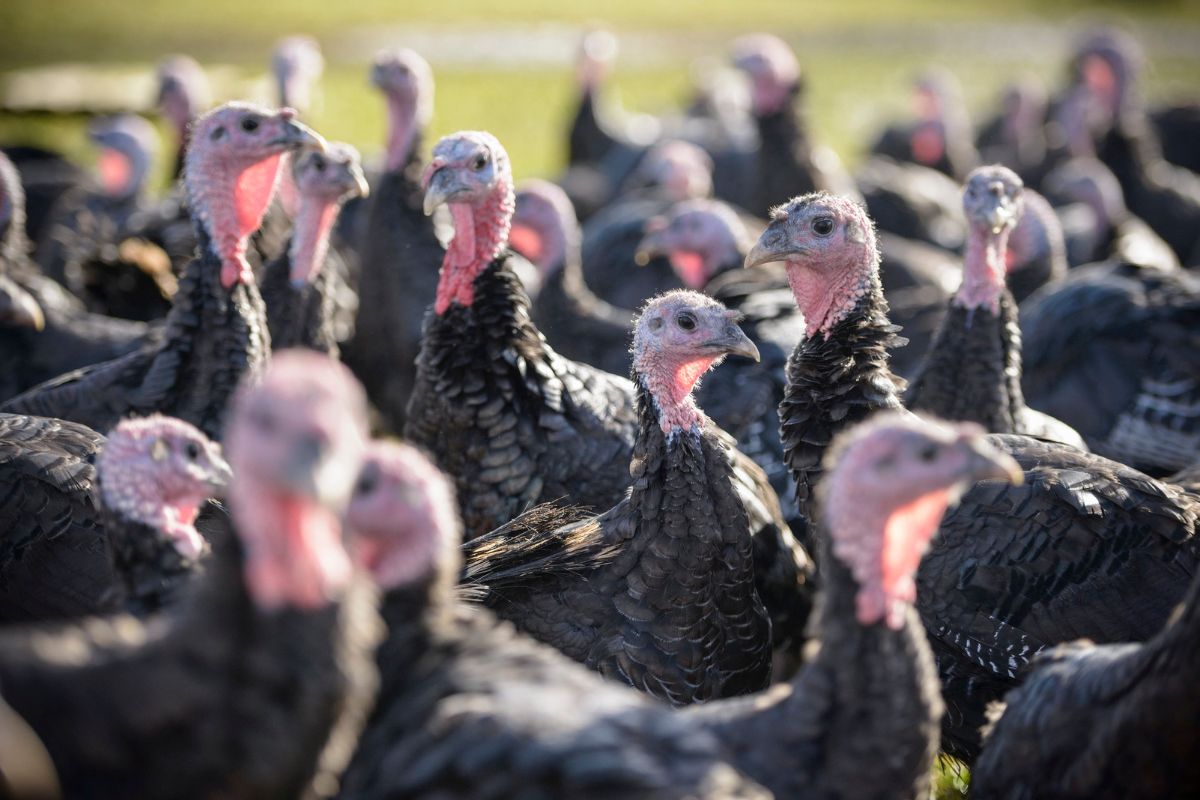
Across several districts of Jharkhand, farmers are beginning to look beyond traditional poultry systems in search of new income opportunities. While chickens and ducks continue to dominate village livestock production, native turkey farming is quietly gaining attention among smallholders and rural entrepreneurs.
The shift is being driven by changing consumer demand.
Turkey meat remains a niche product in India, but demand is growing in urban markets, hotels, restaurants, and specialty meat businesses. Farmers see an opportunity to enter a market that faces relatively limited competition compared with conventional poultry.
As awareness spreads, turkey farming is becoming an attractive diversification option for rural households.
The enterprise is creating fresh opportunities within the livestock sector.
Traditional poultry farming remains an important source of income for millions of households. At the same time, rising feed costs, market competition, and disease concerns encourage many producers to explore alternative livestock enterprises. Turkey farming offers one such possibility.
The birds generally command higher market prices than conventional poultry.
For farmers able to access suitable markets, this price advantage can improve profitability. Diversification also reduces dependence on a single enterprise.
Multiple income streams strengthen farm resilience.
This is one reason interest is increasing.
Turkey Meat Finds Growing Markets
Consumer preferences are gradually changing in several urban centres. Hotels, restaurants, supermarkets, and specialty meat retailers are expanding product offerings to include turkey meat. Festive and seasonal demand also contributes to market growth in some regions.
Although the market remains smaller than that for chicken, producers often benefit from lower competition.
Farmers entering the sector can target buyers looking specifically for turkey products rather than competing directly in crowded poultry markets.
Demand growth is encouraging investment.
Market opportunities continue expanding.
One advantage of turkey farming is that it does not require large landholdings. Many farmers begin with relatively small flocks and expand gradually as experience and market access improve. The enterprise fits well within mixed farming systems that already include crops and other livestock.
Agricultural experts often recommend phased expansion.
Starting small allows producers to learn management practices before increasing production. This approach reduces risk while building practical experience.
Many successful livestock enterprises follow this path.
Turkey farming is no exception.
Women and Youth Are Showing Interest
Several rural development programmes promote poultry-related enterprises as opportunities for women and young entrepreneurs.
Turkey farming is attracting attention because it can be managed alongside other agricultural activities. Small-scale operations often fit well within household-based production systems.
Additional income opportunities are particularly valuable in regions where employment options remain limited.
Livestock enterprises help generate earnings without requiring migration to urban centres.
Local entrepreneurship is becoming increasingly important.
The sector supports that trend.
As with any livestock enterprise, management practices strongly influence outcomes. Farmers require knowledge related to feeding, housing, disease prevention, and marketing. Training programmes are therefore playing an important role in supporting adoption.
Veterinary support and extension services help producers manage challenges effectively.
Researchers note that alternative livestock sectors often grow fastest when technical assistance is available.
Knowledge transfer remains essential.
Better management improves profitability.
Turkey farming remains a relatively small segment of India’s livestock industry. Yet its growth in parts of Jharkhand highlights how farmers continue searching for opportunities beyond conventional production systems. Diversification, niche markets, and changing consumer preferences are creating space for new enterprises.
For many producers, turkey farming offers a chance to enter a higher-value market while building additional income streams.
The sector is still developing, but interest continues to expand.
As awareness grows and markets strengthen, native turkey farming may become an increasingly important part of rural entrepreneurship.
In Jharkhand’s villages, a bird once considered uncommon is steadily becoming a business opportunity.
Also Read: Punarnava Jal – The world’s first organic fertilizer! Know how it is beneficial for farmers?
Contact us – If farmers want to share any valuable information or experiences related to farming, they can connect with us via phone or whatsapp at 9599273766 or you can write to us at “kisanofindia.mail@gmail.com”. Through Kisan of India, we will convey your message to the people, because we believe that if the farmers are advanced then the country is happy.
You can connect with Kisan of India on Facebook, Twitter, and Whatsapp and Subscribe to our YouTube channel.