



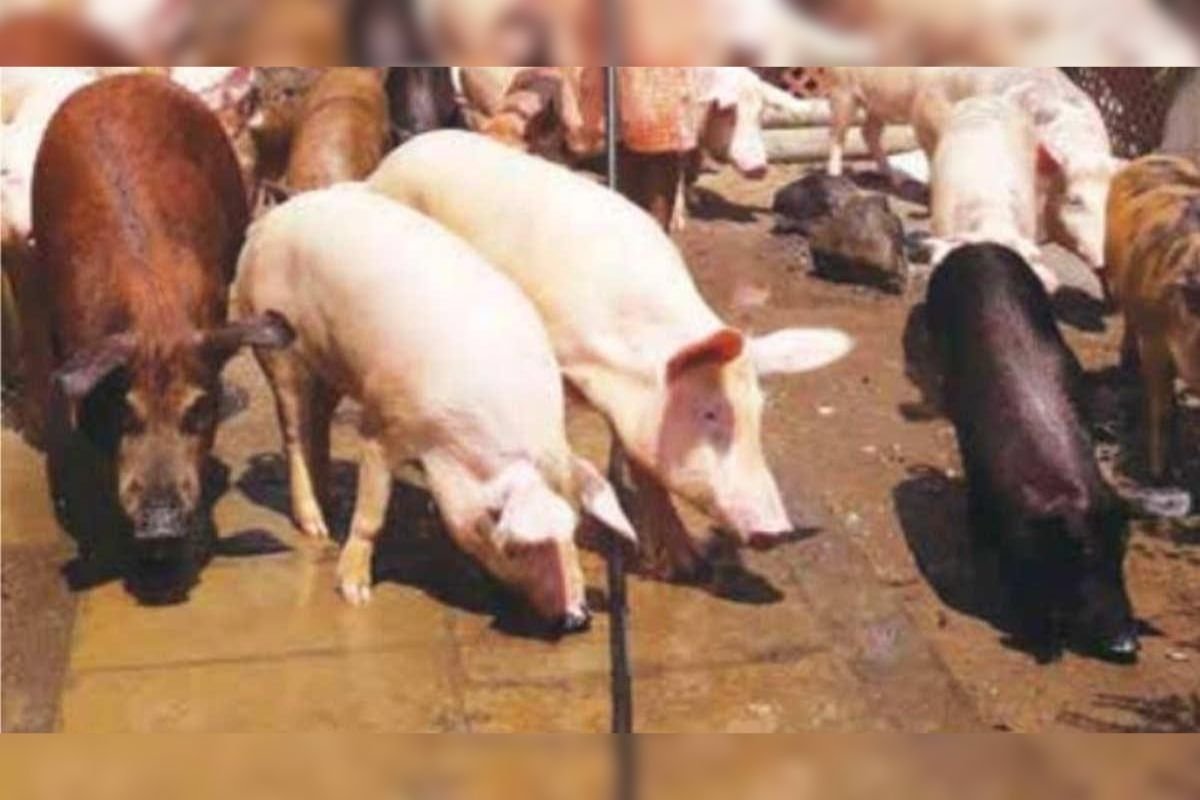
Scientific breeding is becoming an important part of livestock management as farmers look for ways to improve animal productivity and maintain healthier herds. ICAR recently organised a 10-day course in Goa on modern techniques in pig semen processing and artificial insemination. The programme focused on building technical skills among professionals working in livestock breeding and reproduction.
The training offers a different angle from farm-level pig rearing. It focuses on the breeding systems that can support better livestock production over time.
Why breeding matters in pig farming
A pig farm’s performance depends on more than feed and housing. Breeding decisions can affect growth, reproduction and the long-term quality of the herd. Farmers who repeatedly breed animals without proper planning can face problems linked to poor reproductive performance and limited genetic improvement.
Artificial insemination allows selected genetic material to be used for breeding without moving breeding animals between farms. This can help organised breeding programmes reach a wider number of animals. The ICAR course focused on modern semen processing and artificial insemination techniques for pigs.
Artificial insemination depends on proper collection, processing, storage and use of semen. Each stage requires technical knowledge. Poor handling can reduce semen quality and affect breeding results.
This is why specialised training is important. Veterinarians, livestock professionals and trained technicians play a central role in maintaining quality standards before artificial insemination services reach farmers.
The Goa programme focused on modern methods and practical skills related to pig semen processing and artificial insemination.
Small livestock farmers may not have access to high-quality breeding animals. Maintaining breeding males can also increase the cost of running a small farm.
Artificial insemination can provide another option where trained services and quality genetic material are available. A farmer may be able to access selected breeding material without purchasing and maintaining a breeding animal. The results still depend on several factors. Animal health, nutrition, heat detection and the timing of insemination can all affect reproductive performance.
Good genetics alone cannot guarantee better results
Breeding technology is only one part of livestock management. A genetically improved animal still needs suitable feed, housing and health care. Farmers should not expect breeding technology alone to increase income.
The full production system matters. A farm with poor feeding or disease problems may not achieve the expected benefits from improved breeding. This is why livestock extension services often combine breeding advice with guidance on nutrition, housing and disease prevention.
Uncontrolled breeding can make herd management difficult. Farmers may have limited information about the parentage of animals and may struggle to plan breeding cycles. Scientific breeding can provide more control.
Farmers and livestock professionals can maintain records of breeding, births and reproductive performance. These records can help identify animals with better traits and improve decisions about future breeding. Record keeping may sound simple, but it becomes important when a farmer plans to expand a livestock enterprise.
The biggest challenge is ensuring that scientific breeding services reach smaller livestock farmers. Training programmes build technical capacity, but farmers also need access to trained professionals and reliable services in their districts. State animal husbandry departments, veterinary hospitals and livestock extension systems can play a role in connecting farmers with these services.
Farmers should also seek advice before using any breeding service. The right approach may depend on the breed, age and health condition of the animal.
A growing focus on scientific livestock management
The ICAR course in Goa reflects a wider focus on improving livestock production through better breeding and technical skills.
For farmers, scientific breeding can offer useful options, but it works best as part of a complete livestock-management system.
Good breeding needs to go together with:
- Balanced nutrition
- Regular health care
- Suitable housing
- Disease prevention
- Proper breeding records
The real value of new breeding technologies will depend on whether trained services become available beyond research and training centres.
For livestock farmers, better breeding decisions can shape the herd over several years.
That makes access to reliable technical support as important as the technology itself.
Also Read: Punarnava Jal – The world’s first organic fertilizer! Know how it is beneficial for farmers?
Contact us – If farmers want to share any valuable information or experiences related to farming, they can connect with us via phone or whatsapp at 9599273766 or you can write to us at “kisanofindia.mail@gmail.com”. Through Kisan of India, we will convey your message to the people, because we believe that if the farmers are advanced then the country is happy.
You can connect with Kisan of India on Facebook, Twitter, and Whatsapp and Subscribe to our YouTube channel.