


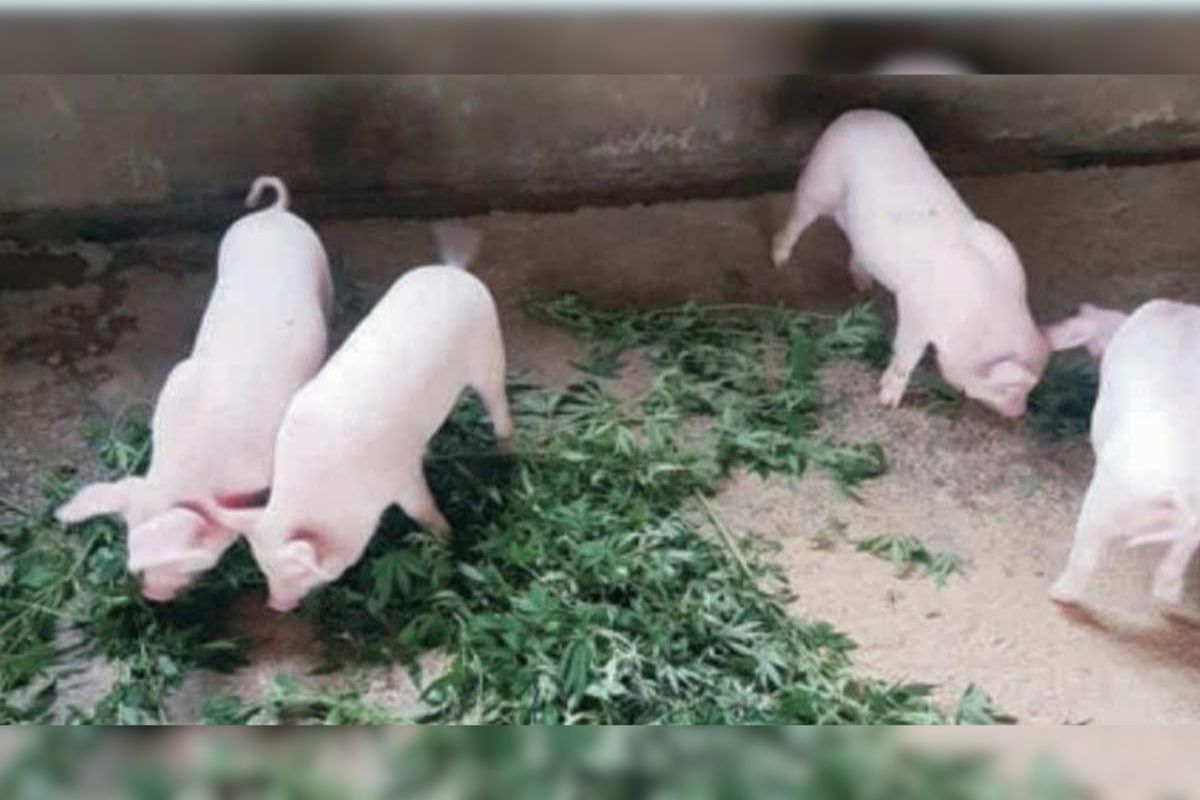
Pig farming is an important source of income for many rural households, particularly in the Northeast and island regions. But farmers often face challenges related to breeding, feed costs, animal health and access to technical support.
ICAR recently organised a three-day training programme in South Andaman to help farmers understand scientific pig-rearing practices and improve the economic returns from pig farming. Twenty-five participants attended the programme at ICAR-Krishi Vigyan Kendra, Sippighat, from August 18 to 20, 2026.
Pig farming can provide farmers with an additional source of income alongside crops, fisheries and other livestock activities. But profitability depends on how animals are managed. Feed is often one of the largest expenses in pig production. Poor feeding practices can slow growth and increase the time required to raise animals to market weight.
Animal health is another concern. Disease outbreaks can lead to financial losses and affect the productivity of an entire farm. The ICAR programme focused on helping participants understand these practical challenges and the steps needed for more profitable pig rearing.
Training focused on farm-level practices
The programme brought together ICAR-Central Island Agricultural Research Institute and ICAR-Krishi Vigyan Kendra, South Andaman. Scientists and agricultural experts discussed scientific pig management practices with participants. The training also examined the challenges facing the piggery sector in the islands and possible ways to address them.
Island farmers can face different production conditions from farmers on the mainland. Transport costs and access to inputs can affect the economics of livestock farming. This makes locally relevant technical advice important.
Farmers need to balance the nutritional needs of pigs with the cost of feed. Underfeeding can affect growth, while inefficient feeding can increase production costs. Scientific pig farming focuses on providing animals with suitable feed according to their age and production stage.
Farmers also need to maintain clean feeding areas and ensure regular access to water. Small changes in daily management can affect animal growth and farm costs over time. For new pig farmers, understanding these basics before increasing the number of animals can help reduce financial risk.
Disease prevention is a key part of livestock farming. Farmers need to monitor animals for changes in feeding behaviour, movement and general health. Keeping housing areas clean and following veterinary advice can help reduce disease risks. Farmers should also seek timely support from veterinary professionals when animals show signs of illness.
Waiting too long can increase losses and allow disease to spread to other animals. Training programmes such as the one organised in South Andaman can help farmers understand when routine management is enough and when professional veterinary support is needed.
Pig farming can support small farm income
India’s livestock sector continues to play an important role in rural incomes. Government data released this week shows that livestock and fisheries have maintained annual growth of around 5–6 percent, while the livestock sector has recorded strong long-term expansion.
For small farmers, livestock can provide income at different times of the year rather than depending entirely on one crop harvest. Pig farming can be part of this approach where local demand, feed availability and veterinary support make the activity economically viable.
But farmers should assess their market before starting. The number of animals a farmer can raise should depend on expected demand and the cost of production. The South Andaman training also highlights an important point for livestock farmers across India.
There is no single pig-farming model that works everywhere. Feed availability, climate, local markets and veterinary services can differ between regions. Farmers should therefore adapt scientific recommendations to local conditions.
Starting with a manageable number of animals and improving skills before expanding can reduce risk.
For farmers in the Andaman and Nicobar Islands, ICAR’s latest training offers technical support for improving an activity that already has potential to contribute to household income.
The larger lesson applies across India: livestock income depends not only on the number of animals a farmer owns but also on how well those animals are managed.
Also Read: Punarnava Jal – The world’s first organic fertilizer! Know how it is beneficial for farmers?
Contact us – If farmers want to share any valuable information or experiences related to farming, they can connect with us via phone or whatsapp at 9599273766 or you can write to us at “kisanofindia.mail@gmail.com”. Through Kisan of India, we will convey your message to the people, because we believe that if the farmers are advanced then the country is happy.
You can connect with Kisan of India on Facebook, Twitter, and Whatsapp and Subscribe to our YouTube channel.