



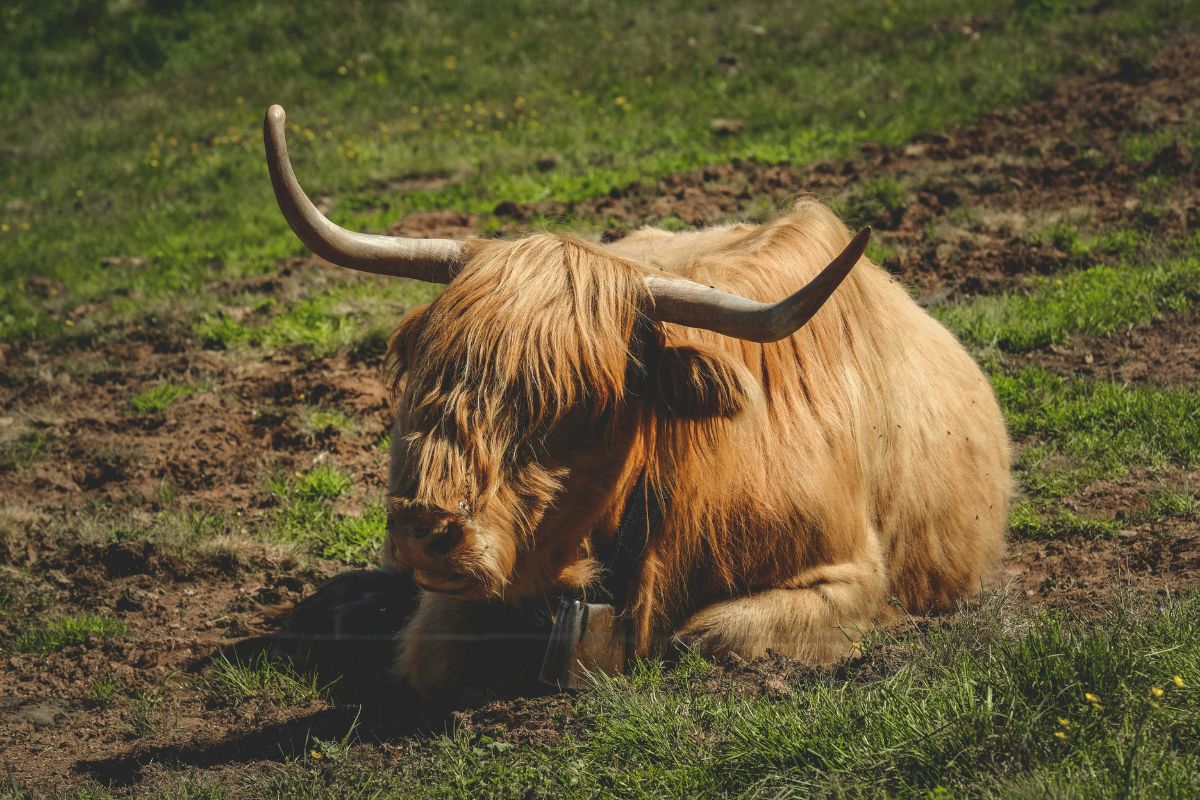
High-altitude regions of India face agricultural conditions that are very different from those found in the plains. Harsh winters, short growing seasons, and rugged terrain limit crop cultivation in many areas. As a result, livestock remains one of the most important sources of livelihood for mountain communities. Among these animals, the yak has supported families across Himalayan regions for centuries.
Traditionally, yaks have provided milk, meat, transport, and fibre. While much attention has focused on dairy products, yak wool is increasingly emerging as a valuable economic resource. Rural enterprises, cooperatives, and artisan groups are developing products that create higher returns from this natural fibre while preserving traditional livestock systems.
Researchers believe yak wool enterprises could play an important role in strengthening mountain economies where alternative income opportunities are often limited.
Yak wool possesses characteristics that make it highly valuable in cold environments. The fibre provides excellent insulation and helps animals survive extremely low temperatures at high altitudes. These same properties make yak wool attractive for clothing, blankets, scarves, and other textile products.
Unlike many synthetic materials, yak fibre is biodegradable and naturally adapted to harsh climatic conditions. Consumers seeking natural fibres are showing increasing interest in products made from traditional livestock breeds.
Textile researchers note that demand for specialty natural fibres has grown steadily as consumers become more aware of sustainability issues.
For many years, livestock owners often sold raw wool with limited processing. This approach generated income but left much of the value chain in the hands of traders and manufacturers located elsewhere. Processing wool locally creates opportunities to increase returns within producing communities.
Several cooperatives are now involved in cleaning, grading, spinning, weaving, and product manufacturing. These activities allow producers to capture more value from the fibre while creating employment opportunities in remote mountain areas.
Agricultural economists frequently point out that value addition is essential for improving profitability in livestock-based economies.
Traditional Skills Support Rural Businesses
Many Himalayan communities possess generations of experience in wool processing and textile production. These traditional skills remain an important asset as demand for handcrafted and specialty products continues to grow.
Artisan groups are combining traditional techniques with modern marketing methods to reach wider markets. Online platforms, tourism, and specialty retail stores are helping rural producers connect directly with consumers interested in unique natural fibre products.
Researchers studying rural development often highlight the importance of building businesses around existing local knowledge and resources.
Mountain communities are increasingly affected by climate-related changes, including shifts in snowfall patterns, pasture availability, and water resources. Diversifying income sources has become an important strategy for reducing economic vulnerability.
Yak wool enterprises provide an additional revenue stream alongside milk production and other livestock activities. This diversification helps households remain more resilient during difficult seasons when one source of income may be affected.
Development experts frequently recommend diversified livelihood systems as a way to strengthen rural resilience in environmentally sensitive regions.
Consumers are showing growing interest in products linked to sustainable production systems and traditional livestock breeds. Yak-based products fit within this trend because they are closely connected to pastoral systems that have evolved over centuries in mountain ecosystems.
Researchers note that supporting economic opportunities linked to traditional livestock can also encourage the conservation of indigenous breeds. When farmers earn reliable income from yak products, they are more likely to continue maintaining herds.
This creates benefits for both livelihoods and livestock biodiversity.
Building Value From Mountain Resources
The growth of yak wool enterprises demonstrates how rural communities can create modern businesses from traditional resources. Rather than relying solely on raw material sales, producers are increasingly participating in processing, product development, and marketing activities that generate greater economic value.
For livestock farmers, yak wool offers an opportunity to diversify income while strengthening the role of traditional pastoral systems. For consumers, it provides access to unique natural fibre products connected to some of the world’s most distinctive agricultural landscapes.
Across the Himalayas, yak wool is proving that livestock can contribute far more than food production alone. Through value addition and entrepreneurship, a traditional fibre is helping build new opportunities for mountain communities.
Also Read: Punarnava Jal – The world’s first organic fertilizer! Know how it is beneficial for farmers?
Contact us – If farmers want to share any valuable information or experiences related to farming, they can connect with us via phone or whatsapp at 9599273766 or you can write to us at “kisanofindia.mail@gmail.com”. Through Kisan of India, we will convey your message to the people, because we believe that if the farmers are advanced then the country is happy.
You can connect with Kisan of India on Facebook, Twitter, and Whatsapp and Subscribe to our YouTube channel.