



Across many parts of India, climate change is making water management more difficult. Rainfall patterns are becoming increasingly unpredictable, dry spells are lasting longer, and groundwater levels continue to decline in several agricultural regions. These challenges are forcing communities to search for practical solutions that can improve water security without requiring massive infrastructure investments.
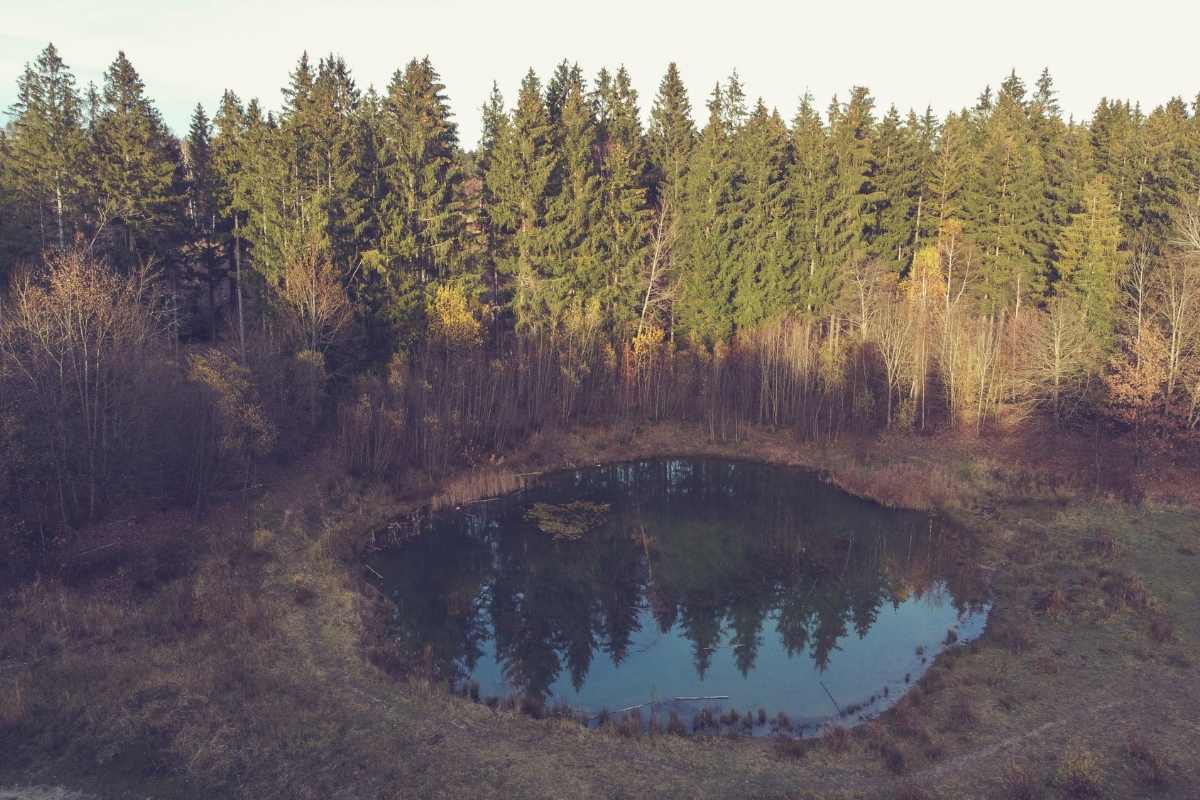
One approach gaining renewed attention is the johad, a traditional rainwater harvesting structure that has existed in India for centuries. Johads are small earthen check dams designed to capture monsoon runoff and allow water to slowly infiltrate the ground. Although many of these systems fell into disuse during the past century, communities in several states are restoring them as part of broader climate adaptation efforts.
Researchers believe the revival of johads demonstrates how traditional knowledge can contribute to modern environmental challenges while supporting agriculture and rural livelihoods.
One of the most important functions of johads is their ability to improve groundwater recharge. Instead of allowing rainwater to flow away rapidly during storms, the structures slow runoff and create opportunities for water to seep into the soil. Over time, this process helps replenish underground aquifers that supply wells and irrigation systems.
Groundwater depletion remains a serious concern across many agricultural regions. Farmers often depend heavily on wells for irrigation, making aquifer recharge essential for long-term water security. Researchers studying watershed management frequently identify johads as effective tools for increasing local groundwater availability while reducing dependence on external water sources.
The impact extends beyond a single season because groundwater recharge can benefit communities for years after restoration efforts are completed.
Farmers Gain Greater Drought Resilience
Agriculture depends heavily on reliable water availability. When rainfall becomes erratic, farmers face increased risks related to crop failure and reduced productivity. Water harvesting systems help reduce these risks by capturing rainfall during wet periods and improving water availability during dry conditions.
Communities that have restored johads often report improvements in well water levels and greater agricultural stability. Farmers gain access to more dependable water supplies, allowing them to manage crops more effectively even when rainfall patterns are less predictable.
Climate adaptation experts frequently note that local water storage solutions are among the most effective ways to strengthen resilience in rural areas.
Many successful johad restoration projects depend on strong community involvement. Villagers often work together to identify suitable locations, restore damaged structures, and maintain water harvesting systems over time. This collective effort helps ensure that benefits are shared across the community.
Development researchers regularly point out that water conservation projects tend to perform best when local residents actively participate in planning and management. Community ownership improves maintenance and increases the likelihood that restoration efforts will continue producing benefits long after initial construction is completed.
The social aspect of johad restoration is therefore just as important as the engineering itself.
The return of traditional water harvesting systems often creates environmental benefits beyond water conservation. Increased water availability can support vegetation growth, improve soil moisture, and create habitats for birds and wildlife. In some areas, restored johads have contributed to the revival of local ecosystems that had deteriorated because of water scarcity.
Environmental scientists increasingly recognise that watershed restoration and biodiversity conservation are closely connected. Efforts aimed at improving water security frequently generate broader ecological benefits that strengthen landscape resilience.
These outcomes demonstrate how climate adaptation measures can support both people and ecosystems simultaneously.
Traditional Knowledge Meets Modern Challenges
The growing interest in johads reflects a broader trend within climate adaptation planning. Policymakers and researchers are increasingly exploring traditional practices that evolved through centuries of local experience. Many of these systems were designed specifically to manage environmental conditions similar to those becoming more common today.
Johads are not a replacement for modern water infrastructure, but they provide a valuable complement to larger water management strategies. Their effectiveness, relatively low cost, and community-driven nature make them attractive options for regions facing increasing climate pressures.
The revival of these structures highlights the continuing relevance of traditional environmental knowledge in the modern world.
The renewed focus on johads demonstrates that some climate adaptation solutions already exist within local histories and landscapes. By capturing rainwater, recharging groundwater, and strengthening agricultural resilience, these traditional systems are helping communities prepare for a more uncertain future.
As climate risks continue to grow, interest in practical and locally appropriate solutions is likely to increase. Johads offer an example of how simple interventions can generate lasting benefits when combined with community participation and long-term planning.
Across rural India, ancient water harvesting structures are proving that sometimes the most effective climate solutions are the ones that have been waiting quietly for generations.
Also Read: Punarnava Jal – The world’s first organic fertilizer! Know how it is beneficial for farmers?
Contact us – If farmers want to share any valuable information or experiences related to farming, they can connect with us via phone or whatsapp at 9599273766 or you can write to us at “kisanofindia.mail@gmail.com”. Through Kisan of India, we will convey your message to the people, because we believe that if the farmers are advanced then the country is happy.
You can connect with Kisan of India on Facebook, Twitter, and Whatsapp and Subscribe to our YouTube channel.