



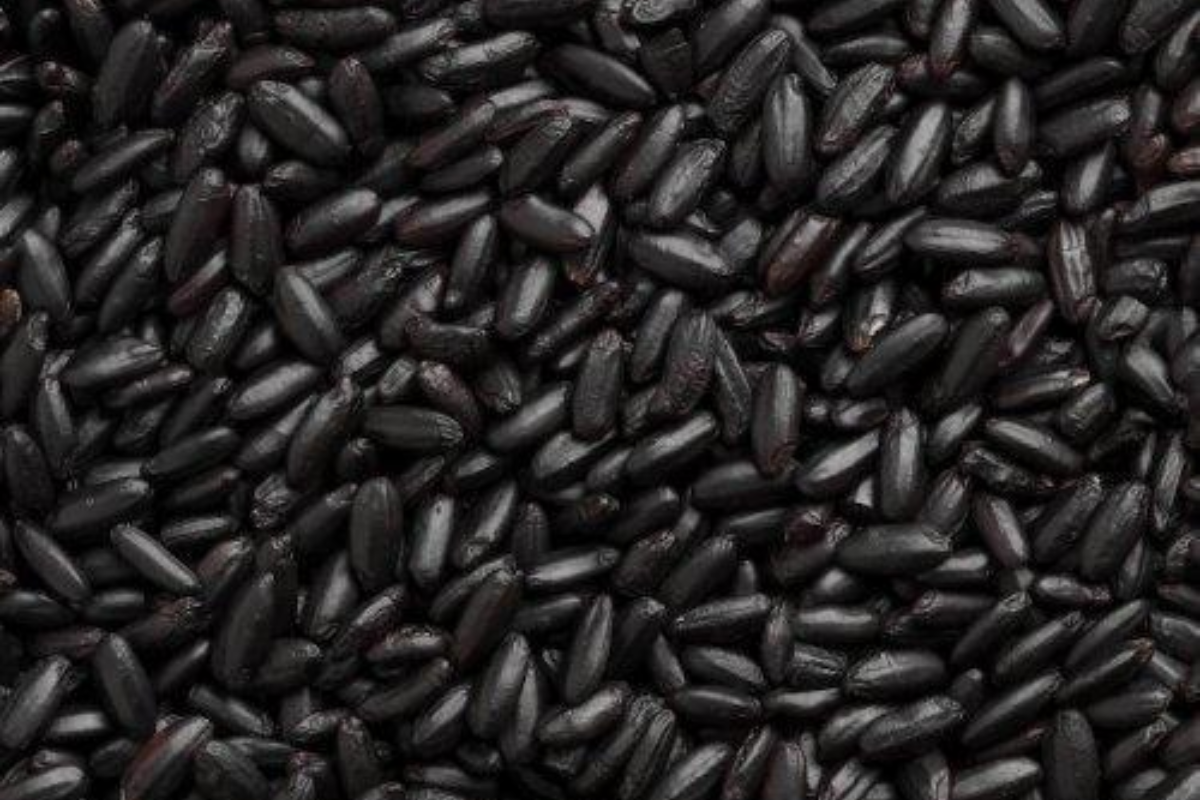
Black rice is helping create new market opportunities for farmers in Odisha. A young farmer from Chikiti has taken the crop beyond local markets and reached buyers in Chicago after adopting scientific cultivation practices and developing stronger market links.
ICAR documented the farmer’s journey as an example of how specialised crop production can create new opportunities when farmers combine scientific methods with market planning.
Rice remains one of India’s most widely grown crops, but farmers do not always have to depend only on common commercial varieties. Speciality rice can target different consumer markets. Black rice has gained attention because of its distinctive colour and use in food products. This can create opportunities for farmers when there is reliable demand.
The ICAR success story follows a farmer from Chikiti, Odisha, who used scientific cultivation to develop black rice production and reach international buyers. For farmers, the story raises an important question.
Can a smaller area under a speciality crop generate better returns than expanding production of a conventional crop? The answer depends heavily on market demand and production costs.
Scientific cultivation can improve crop planning
Growing a high-value crop requires more than choosing an unusual variety. Farmers need access to quality seed and reliable information on cultivation practices. Scientific crop management can include planning for:
- Seed quality
- Sowing time
- Soil management
- Nutrient requirements
- Water management
- Pest and disease control
- Harvesting
- Post-harvest handling
The right practices depend on local conditions. A method that works in one district may need adjustment in another because soil, rainfall and temperatures can differ. This makes local agricultural guidance important for farmers entering a new crop market.
A farmer can grow a high-value crop and still struggle to earn more if there are no buyers. Market planning needs to begin before harvest. Farmers should understand:
- Who will buy the crop
- What quality buyers require
- How much they are willing to purchase
- Whether processing is needed
- How the produce will be transported
The Chikiti farmer’s journey is important because it links crop production with market access. Reaching buyers in Chicago required more than growing black rice. The crop also needed to move through a supply chain that connected the farmer with a distant market.
Speciality crops need consistent quality
Export and premium markets often require greater consistency. Buyers may look at grain quality, cleanliness, packaging and traceability. Farmers interested in speciality crops need to understand these requirements before expanding production. A higher selling price does not automatically mean higher profit.
The cost of:
- Seed
- Labour
- Processing
- Packaging
- Transport
- Marketing
must be included when calculating returns. Farmers should compare the final net income with conventional crop options rather than comparing only selling prices.
Small farmers may struggle to supply large buyers alone. Collective farming and marketing can help overcome this problem. Farmer Producer Organisations and cooperatives can pool produce, improve grading and negotiate with buyers.
This can become important for speciality crops where buyers may need regular volumes and consistent quality. Individual farmers can also begin on a smaller scale to test production and demand before increasing the area under cultivation.
Farmers across Odisha grow a wide range of crops suited to different agro-climatic conditions. Speciality rice can become one option for farmers who have suitable land and access to buyers. But diversification should be based on local conditions. Farmers should not replace their existing crops simply because a speciality product has received attention in another market.
The farmer from Chikiti offers a useful example, not a guaranteed formula. His results depended on a combination of crop choice, scientific production and market access.
What other farmers can learn
The strongest lesson from this story is that market planning should begin early. Farmers interested in speciality crops can start by asking:
- Is there demand for the crop?
- Can I access quality seed?
- Does the crop suit my land and climate?
- What production costs will I face?
- Who will buy the harvest?
- Can I meet the buyer’s quality requirements?
Starting with a smaller area can help answer these questions before making a larger investment. The journey from Chikiti to Chicago shows how a crop grown in a local field can reach a distant market. But the crop alone did not create that opportunity.
Scientific farming and market access worked together. For Indian farmers exploring speciality crops, that connection may matter as much as production itself.
Also Read: Punarnava Jal – The world’s first organic fertilizer! Know how it is beneficial for farmers?
Contact us – If farmers want to share any valuable information or experiences related to farming, they can connect with us via phone or whatsapp at 9599273766 or you can write to us at “kisanofindia.mail@gmail.com”. Through Kisan of India, we will convey your message to the people, because we believe that if the farmers are advanced then the country is happy.
You can connect with Kisan of India on Facebook, Twitter, and Whatsapp and Subscribe to our YouTube channel.