



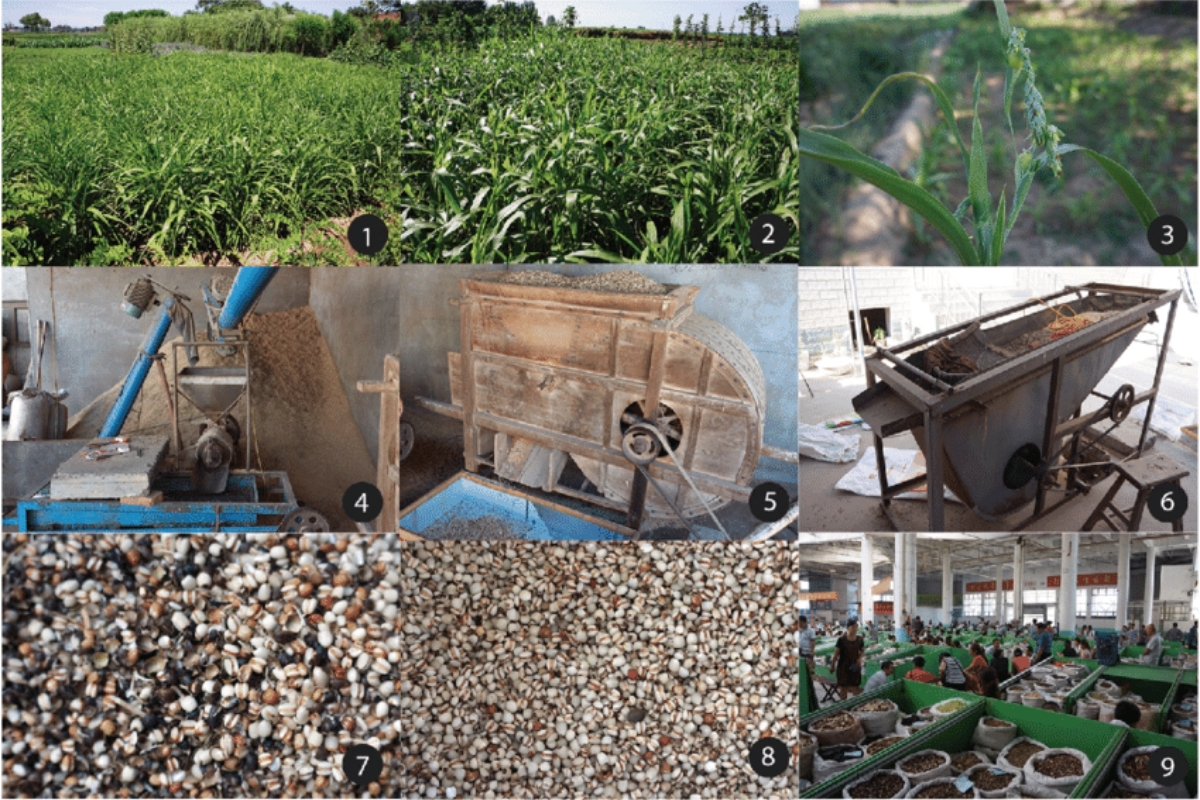
Job’s Tears, a traditional cereal crop grown in parts of Northeast India and Southeast Asia, is gradually attracting attention from farmers, researchers, and food companies. Despite its long cultivation history, the crop remains relatively unknown compared with rice, wheat, and maize.
Interest is growing because consumers are increasingly looking for alternative grains that provide nutritional diversity. Food manufacturers are also exploring new ingredients for health-focused products, creating opportunities for producers.
Researchers believe Job’s Tears could become an important niche crop for farmers seeking diversification and access to specialty markets.
Consumer preferences are changing as awareness of nutrition increases. Traditional and underutilised grains are receiving greater attention from food companies, restaurants, and health-focused consumers.
Job’s Tears fits well within this trend because it offers a unique nutritional profile and can be used in a variety of food products. The crop is already consumed in several Asian countries and has potential for broader market development.
Market analysts expect interest in alternative grains to continue growing in the coming years.
Adapted to Diverse Conditions
The crop performs well in regions with moderate to high rainfall and can be cultivated under conditions that may challenge some conventional cereals.
Its adaptability makes it attractive for farmers seeking alternatives to commonly grown crops. Agricultural researchers are studying its performance under different environmental conditions as part of broader diversification efforts.
Climate resilience is becoming an increasingly important factor in crop selection decisions.
Job’s Tears can be processed into flour, beverages, breakfast products, and specialty foods. These applications create opportunities for value addition and rural entrepreneurship.
Agricultural economists frequently point out that niche crops become more profitable when linked to processing and branding initiatives. Developing value chains will therefore be critical for expanding cultivation.
The crop’s future potential depends not only on production but also on market development.
A Lesser-Known Crop With Growing Potential
Job’s Tears demonstrates how underutilised crops can gain relevance when consumer demand, nutrition awareness, and agricultural diversification intersect. For farmers, it offers an opportunity to explore a different market segment while reducing dependence on conventional crops.
As food systems continue evolving, specialty grains are likely to attract increasing interest from both producers and consumers.
Across parts of Asia, a traditional grain is slowly finding a place in modern agricultural discussions.