



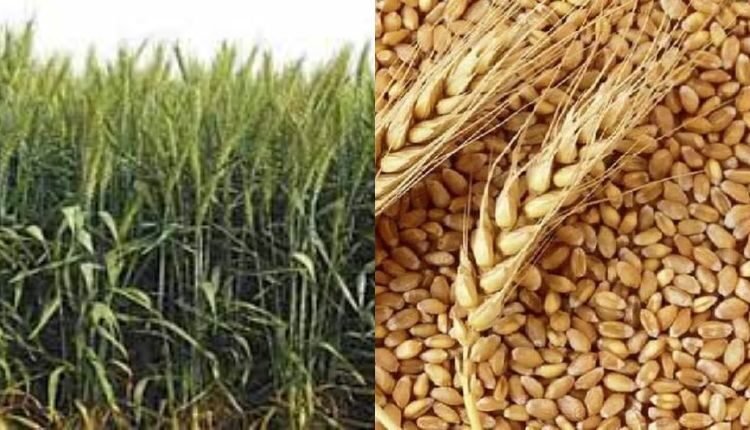
Farmers in India’s northern Himalayan regions may soon have a new wheat variety to consider.
ICAR has identified VL 3040, a wheat variety developed for mountain farming areas and enriched with genes that provide resistance to rust diseases. The development was reported by ICAR on August 28, 2026.
Wheat farmers in Himalayan regions face conditions that differ from those in the country’s major wheat-growing plains. Altitude, temperature, rainfall patterns and disease pressure can affect crop performance. Farmers in these areas need varieties suited to local growing conditions.
VL 3040 has been identified specifically for northern mountainous regions, according to ICAR’s latest media updates. The variety includes genes linked to resistance against wheat rust diseases. Rust diseases can affect wheat leaves and other plant parts, reducing the crop’s ability to grow and produce grain.
A variety with stronger disease resistance can reduce production risks, especially when weather conditions favour the spread of disease.
Why rust resistance matters
Wheat rust remains an important concern because disease outbreaks can affect large areas when susceptible varieties are widely grown. Farmers often have to monitor crops closely and take timely action when disease symptoms appear. Genetic resistance provides a different line of protection.
When resistance genes are built into a crop variety, farmers have access to a plant with greater ability to withstand particular disease threats. This does not mean farmers can ignore crop monitoring. Disease resistance can change over time as pathogens evolve, and agricultural scientists continue to develop and test varieties to maintain protection.
A new crop variety does not automatically replace existing varieties. Farmers usually choose varieties based on several factors:
- Yield potential
- Disease resistance
- Crop duration
- Grain quality
- Local weather
- Availability of seed
- Market demand
VL 3040 adds another option for wheat cultivation in suitable Himalayan areas. The next important step will be seed multiplication and wider availability to farmers after the required processes are completed. A variety can benefit farmers only when quality seed reaches the areas for which it has been developed.
Wheat research is becoming more location-specific
India grows wheat across regions with very different climates. A variety that performs well in the plains may not be the best option for mountain farms. This is why agricultural research programmes develop varieties for specific agro-climatic zones.
The identification of VL 3040 reflects this approach. Instead of treating all wheat-growing areas as one production zone, researchers are working on varieties that match regional conditions and production challenges. For farmers in mountainous areas, locally suitable varieties can be important because the growing season and disease conditions may differ sharply even within neighbouring districts.
The identification of a new variety is only the first stage. Farmers will need access to certified seed before VL 3040 can make a difference on a larger scale. Agricultural departments, seed agencies, research institutions and extension services will have a role in multiplying and distributing seed once the variety enters the recommended supply chain.
Farmers should also avoid replacing their existing wheat varieties immediately without checking official recommendations for their district. A variety developed for one Himalayan zone may not perform in the same way across every mountain district.
Farmers in northern Himalayan wheat-growing areas can watch for official information on:
- Areas recommended for VL 3040
- Seed availability
- Expected crop duration
- Yield performance
- Disease resistance details
- Recommended cultivation practices
The development comes at a time when farmers face increasing pressure from changing weather and crop diseases. For Himalayan wheat growers, a variety that combines adaptation to mountain conditions with rust resistance could provide another option for managing these risks.
ICAR’s latest update shows that crop breeding continues to focus not only on higher production but also on protecting crops against diseases that can threaten farm income.
Also Read: Punarnava Jal – The world’s first organic fertilizer! Know how it is beneficial for farmers?
Contact us – If farmers want to share any valuable information or experiences related to farming, they can connect with us via phone or whatsapp at 9599273766 or you can write to us at “kisanofindia.mail@gmail.com”. Through Kisan of India, we will convey your message to the people, because we believe that if the farmers are advanced then the country is happy.
You can connect with Kisan of India on Facebook, Twitter, and Whatsapp and Subscribe to our YouTube channel.