



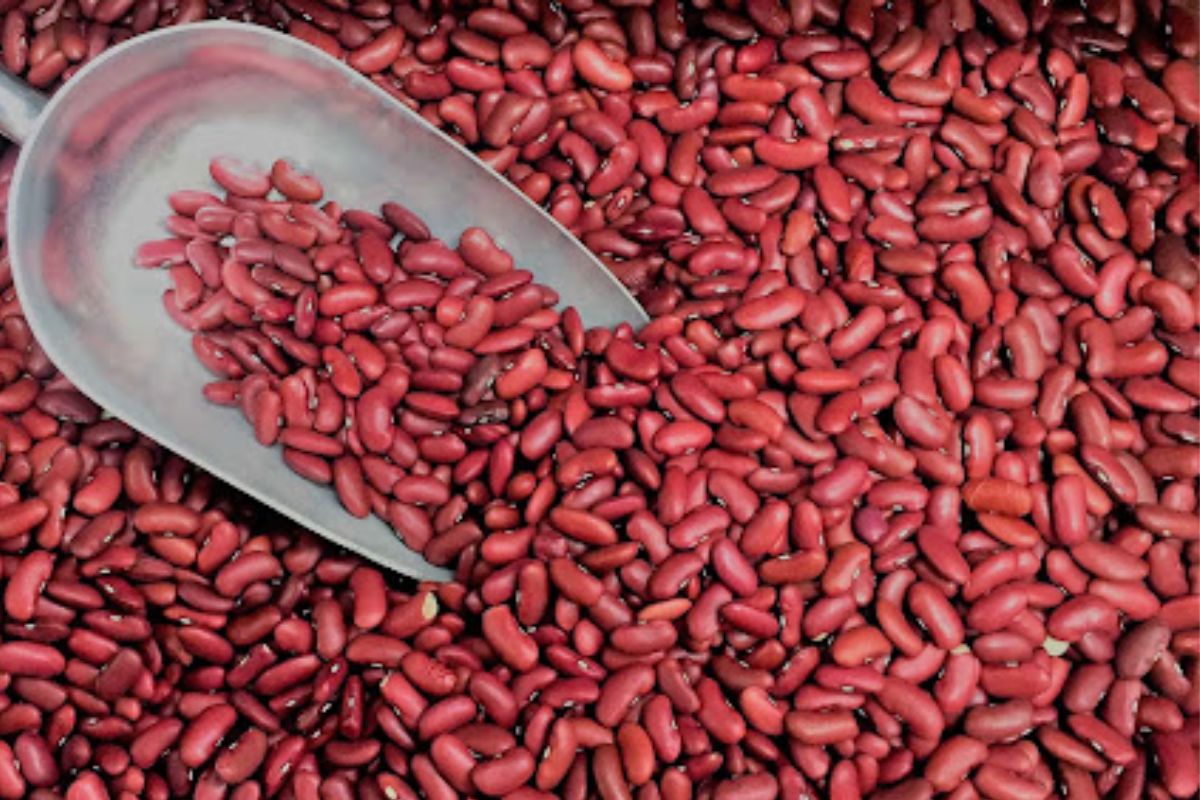
In the mountainous valleys of Bhaderwah in Jammu and Kashmir’s Doda district, rajmash has been cultivated for generations. Unlike ordinary kidney beans sold in wholesale markets across India, Bhaderwah rajmash developed a reputation for its distinctive taste, texture, and cooking quality.
Local farmers often describe it as one of the most dependable crops in the region’s short agricultural season. The crop thrives in cool temperatures and fertile mountain soils where many commercial crops struggle to perform. Over time, it became closely associated with the agricultural identity of the region.
Bhaderwah sits at an elevation where summers remain mild and winters are severe. These climatic conditions slow crop growth and contribute to the bean’s unique characteristics. Farmers sow rajmash during spring after snowmelt and harvest it before the arrival of autumn cold.
Unlike intensive farming systems in the plains, cultivation remains largely traditional with limited mechanisation. Many farms are located on terraced slopes where manual labour continues to dominate agricultural operations. This slower production system contributes to the crop’s premium reputation in regional markets.
For many farming households, rajmash serves as an important cash crop alongside maize and other mountain produce. Traders from Jammu, Kashmir, Punjab, and Delhi regularly purchase the beans because consumers are willing to pay higher prices compared to ordinary varieties.
During years when weather remains favourable, rajmash sales provide a significant share of annual farm income. The crop’s strong market demand helps farmers offset challenges associated with difficult terrain, transportation costs, and limited agricultural land available in mountain districts.
Migration Is Affecting Traditional Cultivation
Like many Himalayan regions, Bhaderwah has experienced migration of younger residents toward cities for education and employment. Farmers say labour shortages are becoming more visible during sowing and harvesting periods. Some agricultural land remains underutilised because fewer families depend entirely on farming than in previous generations.
Despite these challenges, rajmash cultivation continues because of its economic value and cultural importance. Many families maintain production even when other agricultural activities decline, viewing the crop as part of their local heritage.
Farmers have also noticed shifts in seasonal weather patterns. Unseasonal rainfall during flowering periods and irregular precipitation during the growing season can affect yields. Heavy rains sometimes damage crops growing on sloped terrain while extended dry spells create moisture stress.
Mountain agriculture has always depended heavily on weather conditions, but many growers say seasonal predictability is becoming weaker. These changes are encouraging farmers to pay greater attention to soil conservation, water management, and crop planning practices.
Agricultural officials and local farmer groups have discussed strengthening branding and market recognition for Bhaderwah rajmash. Better packaging, geographical identification, and direct marketing channels could help farmers capture a larger share of consumer spending.
Similar efforts have helped other regional crops across India build stronger identities and command premium prices. For mountain farmers operating on small landholdings, value addition often offers greater opportunities than expanding production area.
Bhaderwah Shows the Strength of Regional Crops
Indian agriculture is often discussed through large crops such as rice, wheat, and sugarcane. Yet many regional farming economies depend on highly specialised products grown only in specific landscapes. Bhaderwah rajmash is one such example. Its success comes not from large-scale production but from the combination of geography, climate, farming tradition, and market reputation. As consumers show greater interest in regional foods, crops like rajmash may become increasingly important for sustaining mountain agriculture and rural livelihoods in the Himalayas.
Also Read: Punarnava Jal – The world’s first organic fertilizer! Know how it is beneficial for farmers?
Contact us – If farmers want to share any valuable information or experiences related to farming, they can connect with us via phone or whatsapp at 9599273766 or you can write to us at “kisanofindia.mail@gmail.com”. Through Kisan of India, we will convey your message to the people, because we believe that if the farmers are advanced then the country is happy.
You can connect with Kisan of India on Facebook, Twitter, and Whatsapp and Subscribe to our YouTube channel.