



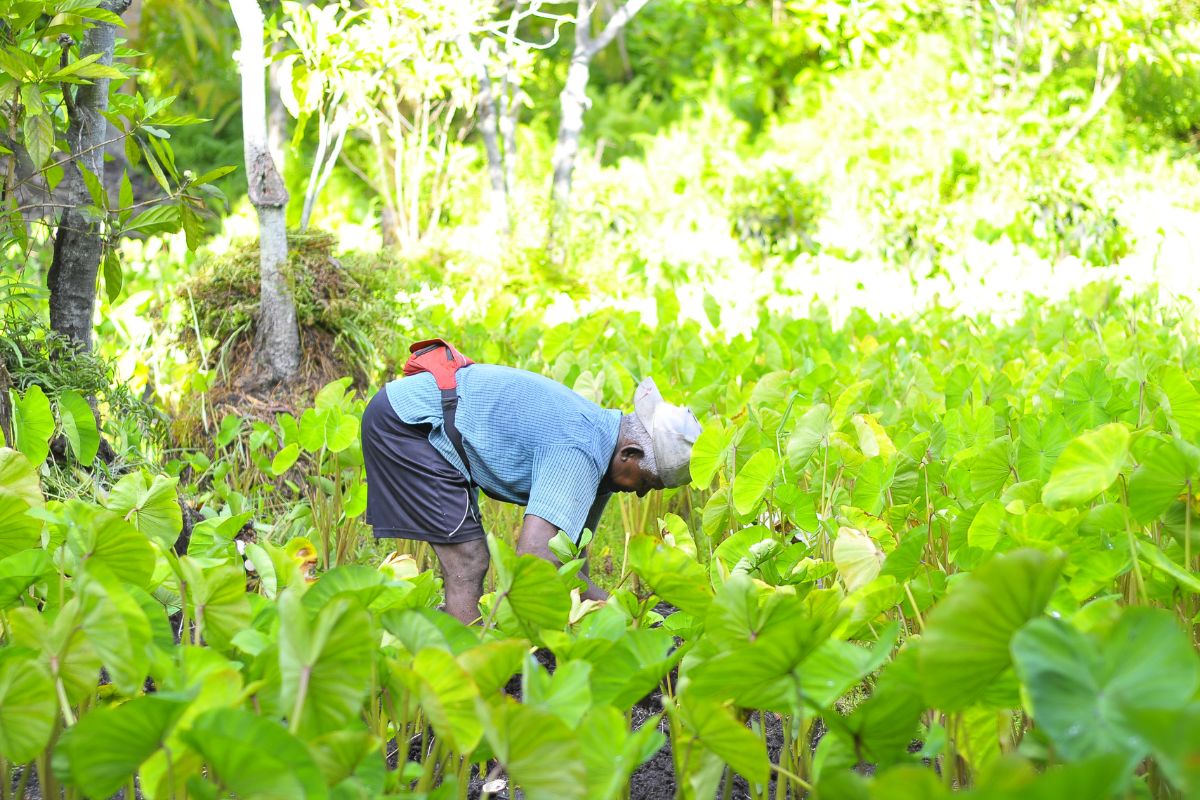
In the low-lying wetlands and homestead farms of Kerala, a traditional crop that once received little commercial attention is finding new opportunities in modern markets. Taro, locally known by various names across the state, has been cultivated for generations as a household food crop. Today, rising demand for traditional foods is transforming it into a profitable farming enterprise.
Consumers are increasingly seeking indigenous crops that were once common in rural diets. Restaurants, retailers, and food processors are responding by expanding their demand for traditional root crops, including taro.
For farmers looking to diversify beyond conventional crops, the renewed interest is creating an attractive business opportunity.
The crop’s adaptability to wet conditions and strong market demand are driving its growing popularity.
Many parts of Kerala experience heavy rainfall and contain low-lying agricultural areas where certain crops struggle to perform. Taro thrives under such conditions and has long been cultivated in waterlogged fields, paddy fallows, and homestead gardens.
Its ability to grow in moist environments makes it particularly valuable in regions where drainage challenges limit other agricultural options.
Farmers appreciate the crop’s flexibility. It can be integrated into mixed farming systems and often requires lower management intensity than some commercial vegetables.
This adaptability has helped sustain cultivation through generations.
Now it is becoming a commercial advantage.
Traditional Foods Drive Demand
Consumer preferences are changing in ways that favour crops like taro.
Across urban India, there is growing interest in traditional recipes, regional cuisines, and locally sourced ingredients. Root crops that were once viewed as ordinary household foods are increasingly appearing in restaurants and specialty food outlets.
Taro benefits directly from this trend.
The crop is used in curries, snacks, chips, steamed preparations, and processed food products. Food businesses are exploring new ways to market traditional ingredients to modern consumers.
This expanding demand is encouraging farmers to increase cultivation.
Market opportunities now extend far beyond local villages.
Fresh taro remains the largest market segment, but processing is opening new possibilities for producers.
Food manufacturers are producing chips, flour, packaged snacks, and ready-to-cook products derived from taro. These products often command higher prices than raw tubers and reach a broader consumer base.
Farmer groups are also exploring local processing opportunities to reduce post-harvest losses and increase profitability.
Value addition allows producers to participate in more stages of the supply chain rather than relying solely on raw produce sales.
The approach is helping strengthen rural incomes.
Climate variability is encouraging farmers to evaluate crops capable of performing under difficult conditions.
Taro’s ability to tolerate wet environments makes it valuable in regions affected by intense rainfall events and changing weather patterns. While no crop is immune to climate challenges, taro offers advantages in areas where excess moisture can damage other crops.
Researchers increasingly highlight the importance of crop diversification as a climate adaptation strategy.
Traditional crops often possess characteristics developed through long-term adaptation to local environments.
Taro is a strong example of this principle.
Small Farmers Benefit From Diversification
Many taro growers operate on small landholdings where maximising income per acre is essential. The crop allows farmers to diversify production while reducing dependence on a single source of revenue.
Several growers combine taro cultivation with vegetables, spices, fruits, and livestock enterprises. This diversified approach helps spread risk and improve income stability.
Agricultural economists note that diversification is becoming increasingly important as market conditions and weather patterns become more unpredictable.
Taro fits naturally within these strategies.
Its commercial potential continues to expand. The story of taro reflects a broader trend occurring across Indian agriculture. Crops once considered old-fashioned are gaining new relevance because of changing consumer preferences, climate concerns, and interest in local food systems.
For farmers in Kerala, taro offers an opportunity to combine traditional knowledge with modern market demand.
The crop’s strengths have not changed.
What has changed is the recognition of its economic potential.
As demand for indigenous foods continues to grow, taro is moving from household gardens into larger commercial markets, creating fresh opportunities for farmers while preserving an important part of agricultural heritage.
Also Read: Punarnava Jal – The world’s first organic fertilizer! Know how it is beneficial for farmers?
Contact us – If farmers want to share any valuable information or experiences related to farming, they can connect with us via phone or whatsapp at 9599273766 or you can write to us at “kisanofindia.mail@gmail.com”. Through Kisan of India, we will convey your message to the people, because we believe that if the farmers are advanced then the country is happy.
You can connect with Kisan of India on Facebook, Twitter, and Whatsapp and Subscribe to our YouTube channel.