

Mini Rice Mills Are Moving Closer to Farms, Can Small Farmers Earn More From Paddy?

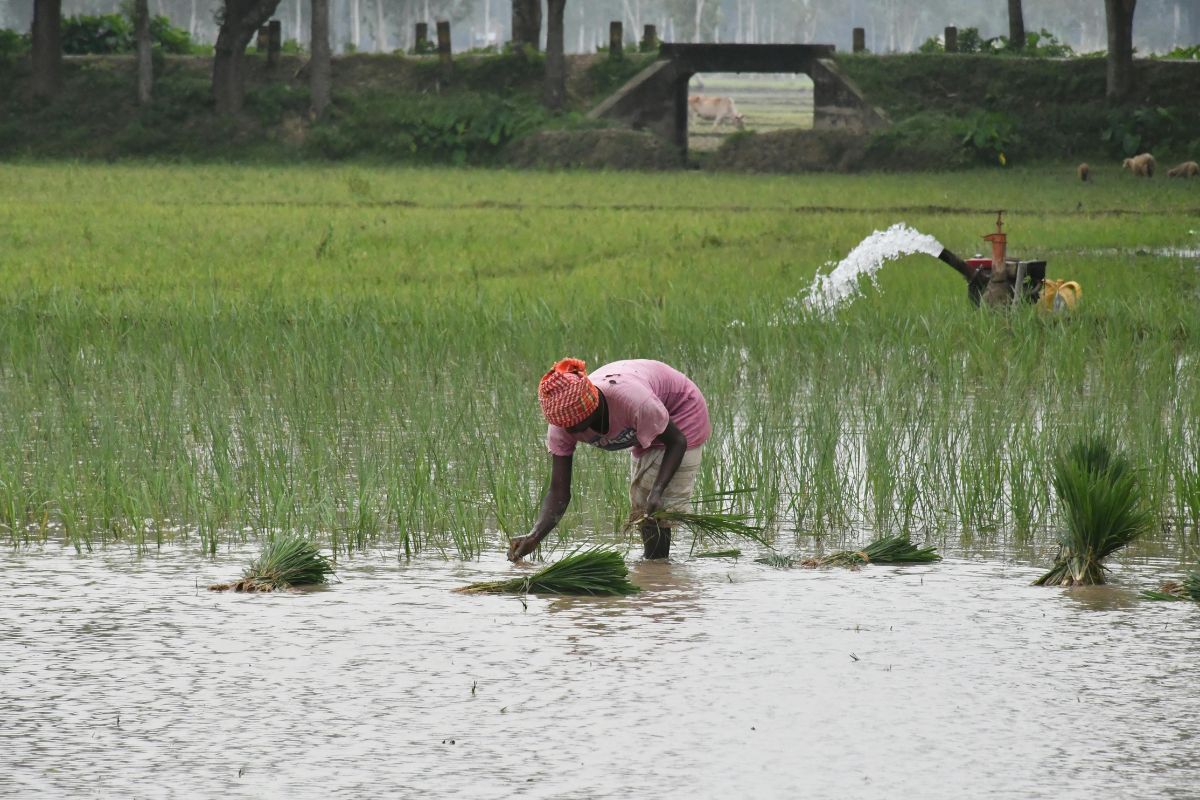
Selling paddy immediately after harvest can limit what farmers earn from their crop. Once paddy is cleaned, de-husked, milled, graded and packed, it becomes a finished food product. Mini rice mills can bring some of these processes closer to villages and give farmers another way to add value.
ICAR has promoted village-level Agro-Processing Centres that combine small processing machines, including mini rice mills, flour mills, oil expellers and cleaners. The aim is to process agricultural produce closer to farms and create additional income opportunities for farmers and rural entrepreneurs.
Mini rice mills are particularly useful for areas where farmers grow rice but have limited access to larger processing facilities. A small unit can serve several farmers rather than requiring every farmer to own a machine.
The model can also create a local business opportunity. A farmer group, FPO, cooperative or rural entrepreneur can operate the mill and charge a processing fee. Farmers can then choose whether to sell paddy directly or pay for processing and market the rice.
What does a mini rice mill do?
A mini rice mill combines several stages of paddy processing. Depending on the machine, these can include cleaning, de-husking, separation of husk, milling and polishing. Some systems also include grading or other functions.
The first stage is cleaning. Dust, stones and other unwanted material need to be removed before milling. Proper cleaning protects the machinery and improves the quality of the final rice.
The paddy then passes through a husker that removes the outer husk. The resulting brown rice can undergo further milling to remove the bran layer. Polishing may then improve the appearance of the rice, depending on the product farmers want to sell.
The final recovery depends on paddy variety, moisture, machine settings and operator skill. Excessive milling can also increase broken grains and reduce the quantity of whole rice recovered.
This is why machine selection matters. ICAR-CIAE’s Post-Harvest Equipment and Machinery Testing Centre evaluates mini rice mills and other machines for factors such as capacity, energy consumption, grain losses and output quality. The centre has tested 152 post-harvest machines since its establishment.
Can a small mill improve farmer income?
The main opportunity comes from value addition. A farmer selling raw paddy receives the market price for the unprocessed crop. A farmer or FPO that processes the grain can potentially sell milled rice directly to local consumers, retailers or institutions.
But the difference between the paddy price and rice selling price is not pure profit. Milling involves electricity, labour, machine maintenance, packaging, storage, transport and losses. Farmers need to calculate these costs before deciding whether processing is worthwhile.
An ICAR village-level Agro-Processing Centre model estimates around ₹25–30 lakh for a complex containing several processing machines, including a mini rice mill, flour mills, oil expeller, cleaner and other equipment. Such a centre also needs suitable covered space.
That level of investment may be too high for an individual small farmer. A shared facility can make more sense where several farmers contribute produce or an FPO runs the unit as a business.
A mini rice mill can also earn money through custom processing. Instead of buying paddy, the operator can mill farmers’ own grain for a fee. This can create a service business while allowing farmers to retain ownership of the rice.
What should farmers check before buying?
Farmers should first estimate how much paddy is available locally. A machine that remains unused for much of the year may not generate enough income to cover its cost.
They should also check the machine’s rated capacity, power requirement, expected milling recovery, broken rice percentage, maintenance needs and availability of spare parts. The machine should match the quantity of paddy that the proposed business can realistically process.
Moisture content also affects milling performance. Paddy that is harvested, dried or stored poorly can lead to higher breakage and lower quality. Operators therefore need proper drying and storage practices alongside the milling machine.
A 2025 KVK trial in Phek, Nagaland, evaluated a mini rice mill with polisher against traditional rice milling. The assessment looked at milling efficiency, broken rice, hulling efficiency, power consumption and operating cost. Such measurements are important when farmers compare machines rather than choosing one only on purchase price.
Farmers should also look at the local market before investing. If consumers prefer locally milled rice or a particular traditional variety, a small mill may have a clear market. If buyers already source processed rice cheaply from outside the area, the business may face stronger competition.
Can FPOs and rural groups run mini mills?
FPOs, cooperatives and self-help groups may be better placed than individual farmers to operate shared processing facilities. They can collect paddy from members, schedule milling, manage packaging and approach buyers with larger quantities.
ICAR’s experience also shows that small processing machines can be included in wider village-level agro-processing centres. The same facility can process rice, flour, oilseeds and other agricultural products at different times of the year. This can improve machine use across seasons.
Such a business still needs proper management. The group should maintain accounts, record machine use, calculate processing costs and set a transparent fee for members. It should also plan for repairs and replacement of important parts.
For farmers, the biggest benefit of a mini rice mill is not simply owning another machine. It is the possibility of moving one step further along the value chain.
Instead of selling all paddy immediately after harvest, farmers can explore cleaning, milling, grading and packaging closer to home. When the volume is large enough and a reliable local market exists, a shared mini rice mill can turn post-harvest processing into another rural business.
Also Read: Punarnava Jal – The world’s first organic fertilizer! Know how it is beneficial for farmers?
Contact us – If farmers want to share any valuable information or experiences related to farming, they can connect with us via phone or whatsapp at 9599273766 or you can write to us at “kisanofindia.mail@gmail.com”. Through Kisan of India, we will convey your message to the people, because we believe that if the farmers are advanced then the country is happy.
You can connect with Kisan of India on Facebook, Twitter, and Whatsapp and Subscribe to our YouTube channel.