



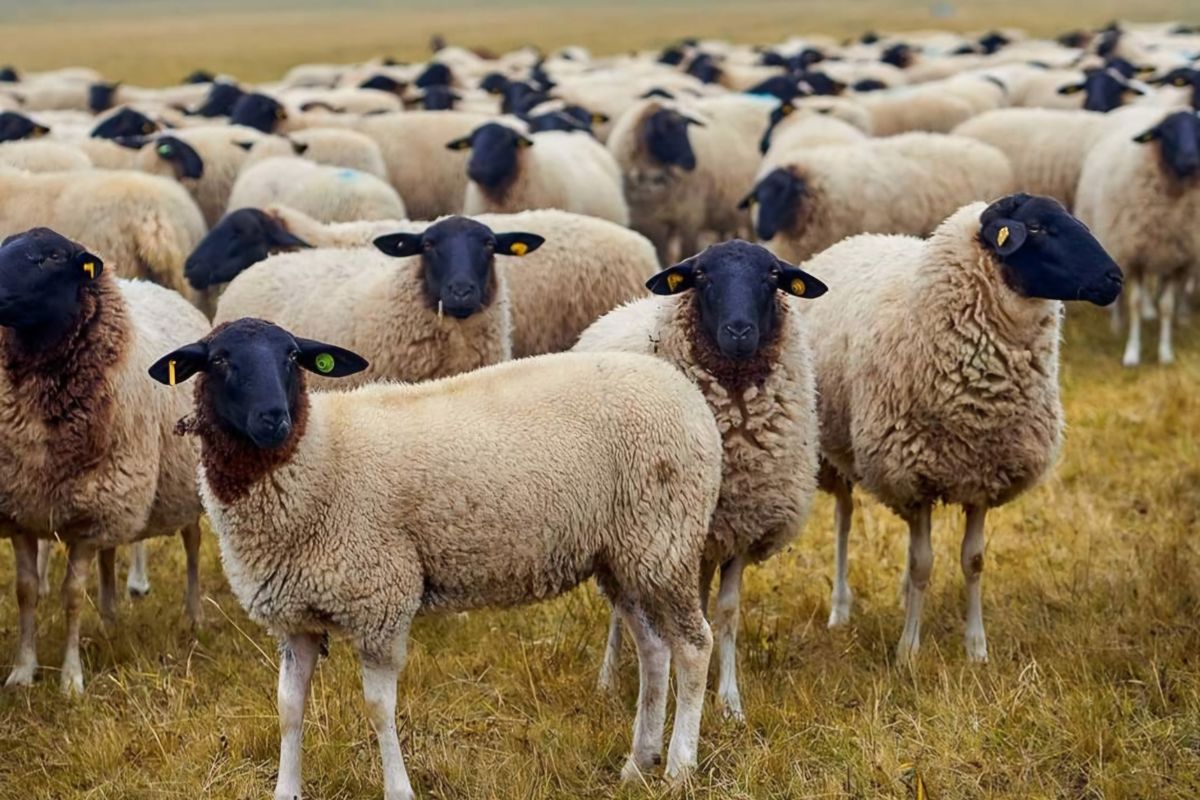
In Norway’s mountain pastures, sheep move freely across open landscapes without physical fencing in many regions. But increasingly, invisible digital boundaries are controlling where they graze.
Farmers are now using GPS-enabled robotic collars attached to sheep that create virtual grazing zones through satellite tracking and sound-based warning systems. When animals approach restricted areas, the collars first emit warning sounds. If the sheep continue moving farther, mild signals encourage them to turn back.
Researchers studying precision livestock farming say the technology is transforming how remote grazing systems operate across difficult mountain terrain.
Agriculture experts believe virtual fencing may become increasingly important as labour shortages and environmental pressure reshape livestock farming globally.
Norway’s grazing systems often stretch across forests, mountains, valleys, and remote open land where building traditional fencing becomes expensive and environmentally difficult.
Researchers say maintaining physical barriers across such terrain requires enormous labour and infrastructure costs.
Virtual fencing systems solve part of the problem through satellite monitoring instead of metal fencing.
Farmers can now adjust grazing boundaries digitally using software platforms connected with GPS tracking systems.
Agriculture experts say this gives herders more flexibility while reducing infrastructure pressure in sensitive landscapes.
Climate Change Is Affecting Grazing Patterns
Climate instability is changing pasture conditions across northern Europe.
Researchers say warmer temperatures, altered snowfall patterns, and shifting vegetation growth affect traditional grazing routes and seasonal livestock movement. Some areas dry earlier while others face flooding or unstable snow cover.
Virtual grazing systems allow farmers to adapt animal movement more quickly according to changing environmental conditions.
Agriculture experts increasingly view digital grazing management as part of climate adaptation in livestock systems. Norway’s sheep farmers also face challenges from predators such as wolves, lynx, and wolverines in remote grazing areas.
GPS collars help farmers monitor livestock movement in real time and detect unusual behaviour patterns suggesting attacks or distress. Some systems send alerts directly to farmers if animals stop moving unexpectedly or leave designated grazing areas.
Researchers say remote livestock monitoring may become increasingly important because extensive grazing systems often operate far from villages and roads.
Agriculture experts say one major advantage of virtual fencing is improved rotational grazing management. Farmers can move livestock between grazing zones without physically relocating fences. Researchers believe rotational systems help:
- Prevent overgrazing
- Improve pasture recovery
- Protect biodiversity
- Reduce soil degradation
Some scientists studying regenerative grazing now combine GPS livestock systems with ecological monitoring to balance pasture use more carefully.
Young Farmers Are Adopting Digital Herding Faster
Younger livestock farmers are leading adoption of digital grazing technologies across Scandinavia.
Some now manage herds using:
- GPS mapping
- Livestock apps
- Satellite monitoring
- Drone surveillance
- Virtual fencing systems
Researchers say pastoral farming is becoming increasingly data-driven even in remote mountain environments traditionally associated with manual herding practices.
Agriculture experts believe future livestock systems may combine traditional open grazing with advanced monitoring technology rather than replacing pastoralism entirely.
Virtual fencing systems also face debate.
Some animal welfare groups question whether electronic behavioural correction systems should be used in livestock management. Researchers continue studying stress responses and long-term animal behaviour linked with digital fencing technology.
Agriculture experts say regulation and ethical oversight remain important as livestock farming becomes more automated. Still, supporters argue the systems reduce confinement while allowing freer movement across natural grazing landscapes. For centuries, pastoral livestock systems depended heavily on physical observation, manual herding, and fixed boundaries.
Now satellites, sensors, and software are quietly entering those same mountain pastures.
Researchers say future livestock farming may increasingly depend on:
- Precision grazing
- Remote monitoring
- Ecological mapping
- Climate-responsive movement systems
In Norway’s hillsides, sheep are still grazing across open grasslands as they always did.
But increasingly, invisible digital fences now move with them.
Also Read: Punarnava Jal – The world’s first organic fertilizer! Know how it is beneficial for farmers?
Contact us – If farmers want to share any valuable information or experiences related to farming, they can connect with us via phone or whatsapp at 9599273766 or you can write to us at “kisanofindia.mail@gmail.com”. Through Kisan of India, we will convey your message to the people, because we believe that if the farmers are advanced then the country is happy.
You can connect with Kisan of India on Facebook, Twitter, and Whatsapp and Subscribe to our YouTube channel.