



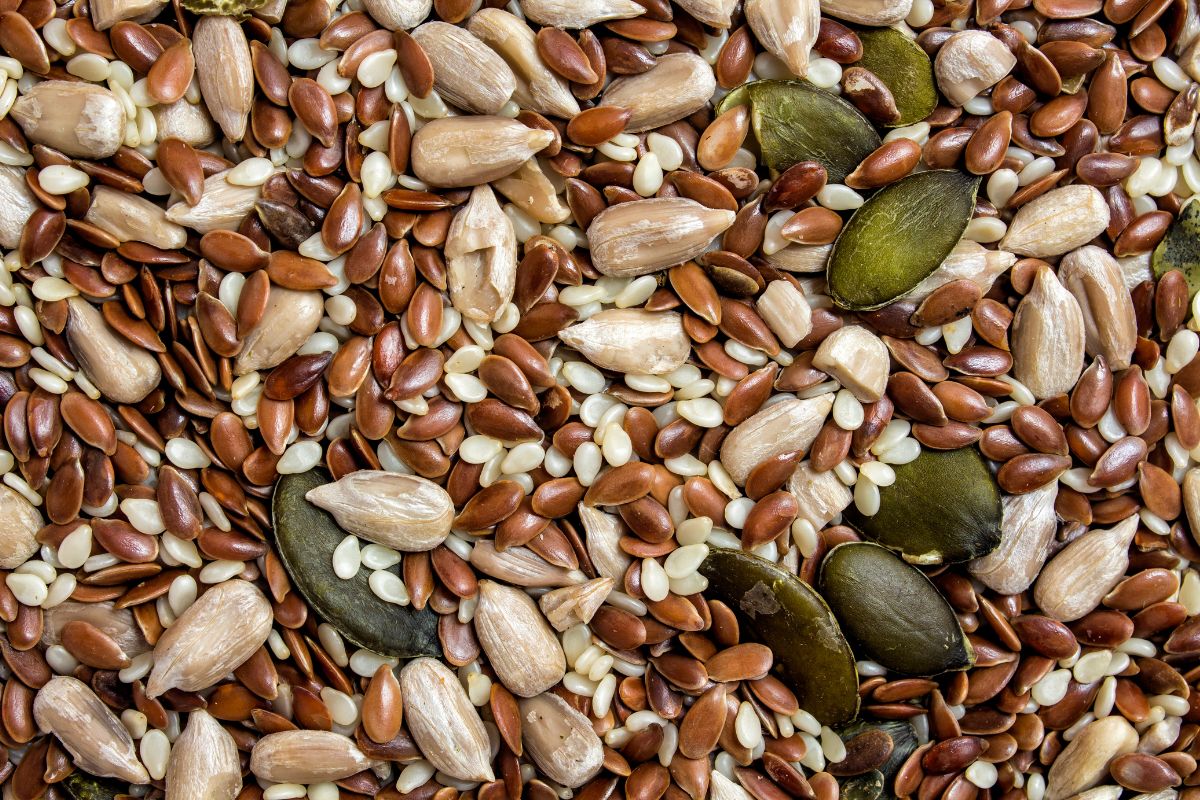
Seeds are more than planting material. Traditional varieties can carry traits suited to local rainfall, soil conditions, pests and food preferences. When farmers stop growing these crops, their seeds and the knowledge needed to cultivate them may disappear. Community seed banks help keep this diversity available within farming communities.
The Food and Agriculture Organization (FAO) has supported community-managed seed systems in Odisha and other rainfed areas. Its project focused on improving access to quality seeds of local landraces and farmers’ varieties, including millets. These varieties can support climate adaptation, particularly where rainfall is uncertain.
India has also introduced a formal framework for managing these initiatives. In June 2026, the Bureau of Indian Standards published IS 20201:2026, a voluntary standard covering community seed bank management. It addresses seed collection, cleaning, drying, storage, viability testing, documentation and regeneration.
How Farmers Can Start a Community Seed Bank
1. Identify seeds worth conserving
Farmers can begin by listing traditional rice, millet, pulse, vegetable or tuber varieties still grown in their villages. They should speak with experienced cultivators, especially those who have saved seeds for years. Record each variety’s local name, growing period, preferred conditions, uses and known strengths.
The goal is not to replace every improved variety with traditional seeds. Farmers should identify which local crops remain useful for their farms, food needs and markets. Agricultural universities and Krishi Vigyan Kendras can help assess varieties and advise on suitable conservation methods.
2. Form a local management group
A seed bank needs clear rules, not just a storage room. A farmers’ group, cooperative or self-help group can manage seed collection, distribution and records. Members should agree on who can borrow seeds, how much can be taken, when repayments are due and how disputes will be resolved.
Women farmers and older seed keepers should participate in decisions because they may hold knowledge about varieties, storage methods and traditional uses. The group should also appoint members to check stocks, maintain records and organise seed multiplication before supplies become too low.
3. Collect healthy seeds and document their origin
Seed collection should begin with healthy plants that show the characteristics farmers want to preserve. Members should avoid mixing different varieties during harvesting, threshing and handling. Each batch needs a label recording the crop, variety, source village, collection date and harvest season.
Farmers should also note whether a variety was grown under rainfed or irrigated conditions and whether disease affected the crop. These records help future users understand the seed’s history. The BIS standard includes documentation and quality assurance among the main requirements for community seed bank management.
Keeping Seeds Viable for the Next Season
4. Clean, dry and store seeds properly
Seeds need suitable drying and storage conditions to remain usable. Remove plant debris, damaged seeds and unwanted material before storage. Drying requirements differ by crop, so farmers should seek guidance from local agricultural experts rather than assume that every seed can be handled identically.
Use clean, dry containers and protect stocks from moisture, insects, rodents and direct sunlight. Keep containers labelled and inspect them regularly for dampness, mould or pest damage. A seed bank should maintain a record of the quantity stored and the date each batch was checked.
5. Test germination before distribution
Seeds that look healthy may still fail to sprout. Before distribution, members should test a sample by placing a known number of seeds under suitable germination conditions and recording how many produce healthy seedlings. Agricultural experts can help the group select an appropriate method for each crop.
A simple record of germination results helps the group decide whether a batch is ready for farmers or needs further attention. Poor-performing stocks should not be distributed as reliable planting material. Seed quality checks are among the activities covered by the BIS community seed bank standard.
6. Grow crops to replenish the stocks
Seeds cannot remain in storage indefinitely. Each variety needs periodic cultivation so that the bank can replenish its supplies with fresh seed. Members can organise small multiplication plots, keeping varieties separate where necessary to reduce unwanted mixing and preserve their distinguishing characteristics.
After harvest, farmers should select healthy seed, record the quantity returned and retain enough for the next planting cycle. A seed-lending arrangement can help: members borrow seed before sowing and return an agreed quantity after harvest. The rules should remain realistic if drought, floods or crop disease cause losses.
Where Farmers Can Seek Support
7. Connect with agricultural institutions
Farmers interested in establishing a seed bank can approach their local KVK, state agricultural university or agriculture department for guidance on crop selection, seed storage and germination testing. Communities should also check the applicable state and national rules before distributing seed commercially.
The government’s June 2026 announcement refers to one-time assistance of ₹50 lakh under the National Food Security and Nutrition Mission for establishing community seed banks. Farmers’ groups should verify current eligibility, application procedures and funding conditions with the relevant department before preparing a proposal.
Community seed banks work best when farmers manage them collectively and maintain seed quality from one season to the next. They cannot eliminate crop losses or guarantee higher yields, but they can preserve useful local varieties and improve access to planting material. A well-managed seed bank gives farming communities another resource for dealing with uncertain growing conditions.
Also Read: Punarnava Jal – The world’s first organic fertilizer! Know how it is beneficial for farmers?
Contact us – If farmers want to share any valuable information or experiences related to farming, they can connect with us via phone or whatsapp at 9599273766 or you can write to us at “kisanofindia.mail@gmail.com”. Through Kisan of India, we will convey your message to the people, because we believe that if the farmers are advanced then the country is happy.
You can connect with Kisan of India on Facebook, Twitter, and Whatsapp and Subscribe to our YouTube channel.