


Millet Processing Business: How Farmers Can Earn More by Turning Grains Into Ready-to-Cook Foods

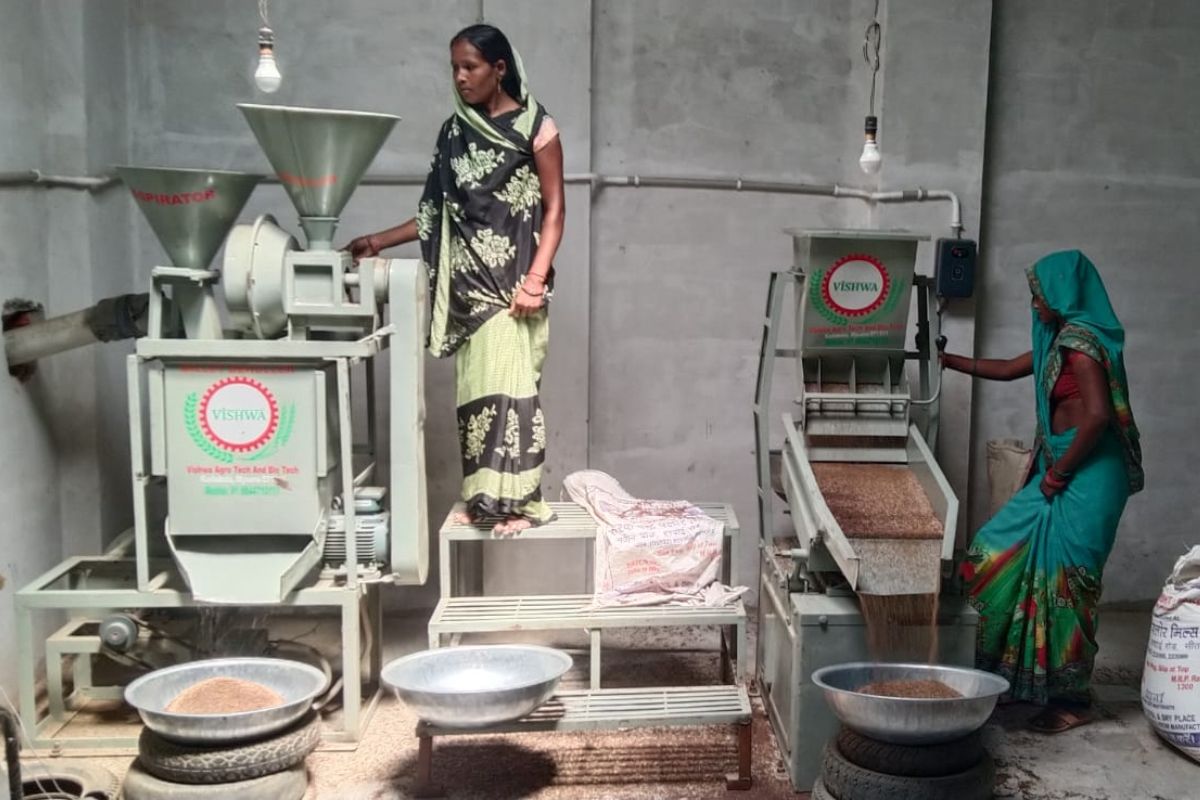
Farmers who grow millets can explore earning from processing rather than selling all their produce as raw grain. Cleaning, grading, dehusking and milling can prepare grains for household use, while products such as flour, porridge mixes and snacks offer further opportunities for value addition.
The Indian Council of Agricultural Research’s Central Institute of Agricultural Engineering in Bhopal has developed millet-based products, including ready-to-eat snacks and ready-to-cook foods. Its work shows how processing can create business opportunities, although actual returns depend on production costs, product quality and demand.
1. Study the local market before investing
Start by checking which millets farmers grow nearby and what customers already buy. Potential buyers include households, grocery shops, restaurants, bakeries, hostels and local food businesses. Speak to retailers and bulk buyers to learn their preferred products, packaging sizes, quality requirements and purchasing volumes before selecting machinery.
Millet varieties and food habits differ across regions, so a product that sells well in one market may struggle elsewhere. A small survey can help entrepreneurs decide whether to begin with cleaned grain, flour or ready-to-cook mixes. Avoid investing in several product lines before confirming demand.
2. Choose a manageable range of products
A small unit can begin with primary processing, which includes cleaning, grading, dehusking and milling. These operations prepare grain for sale or further processing. Entrepreneurs can later consider products such as millet flour, porridge mixes, roasted snacks or instant meal mixes if customers show interest.
Each additional product may require different machinery, recipes, packaging and food-safety controls. ICAR-CIAE has developed a range of millet foods, including millet-jaggery biscuits, ready-to-eat millet health mix and ready-to-cook instant dalia. These examples demonstrate possibilities, not guaranteed commercial demand for every location.
3. Calculate costs and select suitable machinery
Prepare a budget covering equipment, installation, electricity, rent, labour, grain procurement, packaging, transport and repairs. The machinery required will depend on the chosen product. A cleaning and milling unit has different needs from a business making packaged snacks or blended food mixes.
Obtain quotations from multiple suppliers and ask for demonstrations before buying equipment. Estimate how much grain the unit can process each day and how much finished product it can sell. Include losses during cleaning and dehusking, unsold stock and seasonal changes in raw-material prices when calculating expected margins.
4. Arrange reliable supplies and maintain quality
A processing business needs a dependable supply of clean grain at a price that leaves room for operating costs. Entrepreneurs can work with nearby farmers, cooperatives or Farmer Producer Organisations to plan procurement and agree on quality standards. Clear purchasing terms can reduce disputes over moisture, impurities and delivery schedules.
Store grain in a dry, clean place and protect it from insects, rodents and moisture. Keep raw materials separate from finished products. For packaged foods, maintain batch records and follow applicable food-safety requirements. Consistent quality helps build trust with retailers and repeat customers.
5. Develop packaging and sales channels
Processing creates value only when customers buy the finished product at a price that covers costs. Entrepreneurs can begin with local shops, weekly markets, direct orders and institutional buyers. Attractive packaging helps, but labels must accurately describe the product and comply with applicable rules.
Online sales can extend a business beyond its immediate area, but shipping, commissions, returns and marketing can reduce margins. Test small batches with customers and record which products sell repeatedly. Use feedback to improve taste, pack size and pricing before expanding production.
6. Explore support for food processing enterprises
The Ministry of Food Processing Industries lists credit-linked capital subsidy support under the Pradhan Mantri Formalisation of Micro Food Processing Enterprises scheme. Its published scheme information describes assistance of 35% of eligible project cost, capped at ₹10 lakh for eligible individual micro food-processing units. Beneficiaries must meet scheme conditions and contribute at least 10% of the project cost, with the remaining amount financed through a bank loan.
The scheme also describes support for training, business planning, packaging and food-safety practices. Application availability and eligibility can depend on current guidelines and state-level arrangements, so entrepreneurs should verify the position before making financial commitments.
7. Consider a shared unit through an FPO
Farmers who cannot afford individual machinery can explore a shared processing unit through an FPO, cooperative or self-help group. Pooling resources may help spread equipment costs and aggregate enough grain to supply regular buyers. The group must still agree on procurement, operating expenses, maintenance and how income will be distributed.
ICAR-IIMR has supported millet processing and value addition through FPOs. In July 2026, it reported the inauguration of a primary processing unit for a tribal FPO in Kurnool district, Andhra Pradesh. The example shows how organised farmers can build processing capacity, but each group needs a viable local market and sound financial planning.
A millet processing business can help farmers and rural entrepreneurs move beyond raw-grain sales, but success depends on more than machinery or government assistance. Market research, reliable supplies, food safety, cost control and repeat customers are essential to keeping the enterprise viable.
Start with one or two products, calculate the cost per kilogram and test sales before expanding. Farmers can contact ICAR-IIMR, their local Krishi Vigyan Kendra or the district industries and food-processing offices for technical guidance and information on current support programmes.
Also Read: Punarnava Jal – The world’s first organic fertilizer! Know how it is beneficial for farmers?
Contact us – If farmers want to share any valuable information or experiences related to farming, they can connect with us via phone or whatsapp at 9599273766 or you can write to us at “kisanofindia.mail@gmail.com”. Through Kisan of India, we will convey your message to the people, because we believe that if the farmers are advanced then the country is happy.
You can connect with Kisan of India on Facebook, Twitter, and Whatsapp and Subscribe to our YouTube channel.