


Small Farm Tools for Hill Agriculture: 7 Machines That Can Reduce Labour for Farmers

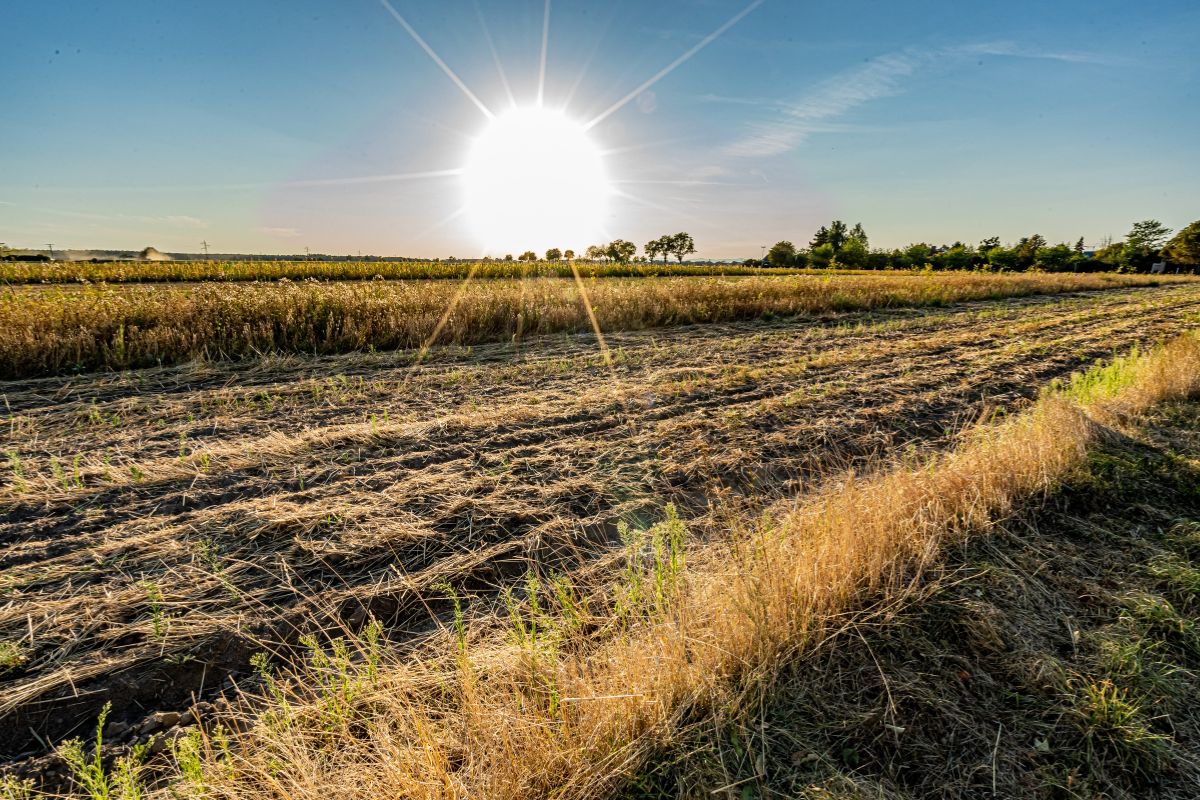
Farmers working on small plots or sloping land may find large tractors and heavy machinery difficult to use. Lightweight implements, small power-operated machines and tools designed for particular crops can help with planting, weeding and harvesting. The right equipment depends on field size, terrain, crop type and access to repairs.
The Indian Council of Agricultural Research has highlighted the need for lightweight, durable and women-friendly machinery suited to different farming conditions. At a farmers’ fair in Ramgarh, Jharkhand, in February 2026, ICAR demonstrated equipment including zero-till machines, potato planters, mulchers and reapers. These examples show the range of tools farmers can consider.
1. Mini tillers for preparing small plots
Mini tillers can help prepare soil in small fields where operating a full-size tractor may be difficult. Depending on the model and attachments, they can loosen soil and prepare seedbeds for vegetables and other crops. Farmers should check the machine’s weight, working width and suitability for the soil before buying one.
On steep or uneven land, a tiller can become difficult to control if it is too heavy or powerful for the operator. Farmers should request a field demonstration and follow the manufacturer’s safety instructions. Equipment designed for flat fields may not be suitable for narrow terraces or steep slopes.
2. Small seed drills and planters
Seed drills place seeds in rows at a controlled depth and spacing. Suitable small-scale models can help farmers reduce the time spent sowing crops and improve uniformity compared with uneven manual placement. The appropriate implement depends on seed size, soil conditions, crop spacing and the available power source.
ICAR lists different sowing and planting technologies, including planters for millet seeds and multi-crop planters. Farmers should not assume that one machine will sow every crop equally well. Before hiring or buying equipment, check whether it can handle the intended seed and whether its row spacing matches local recommendations.
3. Weed-control tools for interculture
Weeding can require repeated manual work, particularly in vegetable fields and row-planted crops. Hand-operated weeders and suitable small power weeders can help remove weeds between rows. Their usefulness depends on the spacing between plants, soil moisture and how close the weeds are to the crop.
Farmers should choose a tool that can work between crop rows without damaging roots or stems. A machine that is too wide may be unsuitable for closely planted vegetables. Ask for a demonstration in a similar field before purchasing, and compare its labour savings with fuel, maintenance and hiring costs.
4. Mulchers for managing crop residues
Mulchers cut crop residues into smaller pieces and spread them across the field, depending on the machine design. Residue management can protect soil from direct exposure and help return organic material to the field. The equipment must match the crop residue, available tractor power and the farmer’s field conditions.
A large tractor-mounted mulcher may be impractical for small terraces, narrow plots or fields with limited access. Farmers should check the machine’s width, turning space and residue-handling capacity. Where ownership is too expensive, hiring a machine for a short period may be a more practical option.
5. Small reapers for harvesting
Reapers cut standing crops and can reduce the physical effort involved in manual harvesting. Suitable models may help farmers complete harvesting more quickly when crops mature together or labour is difficult to find. Farmers need to check whether the machine suits the crop, field layout and expected harvest conditions.
On sloping land, uneven ground and lodged crops can affect machine performance and operator safety. Do not choose equipment only by its advertised working capacity. Ask the supplier or local agricultural engineering expert to demonstrate it in comparable conditions and explain its maintenance requirements.
6. Women-friendly tools for repetitive farm work
Lightweight hand tools and ergonomically designed implements can reduce strain during repetitive operations such as weeding, planting and harvesting. Tool weight, handle length, grip and working posture matter, especially when workers spend several hours a day performing the same task.
ICAR’s agricultural engineering programmes include research and demonstrations of improved implements intended to reduce drudgery. Farmers and women’s self-help groups can ask their local Krishi Vigyan Kendra about tools demonstrated in their region. A practical trial helps users assess comfort, control and whether the tool actually reduces the work involved.
7. Check hiring options before purchasing
Buying machinery is not always the cheapest option for a small farm. Farmers can ask local cooperatives, Farmer Producer Organisations, agricultural departments and custom hiring centres whether suitable equipment is available for rent. Shared access allows farmers to use machines during critical operations without paying the full purchase price.
The Government of India’s Digital Platform for Farm Mechanization provides information on farm machinery and mechanisation services, including equipment testing and government assistance. Farmers should verify current state-level schemes, eligibility and application dates before budgeting for a purchase. A subsidy should not be treated as guaranteed until the application is approved.
Small-scale mechanisation can help hill and smallholder farmers manage time-sensitive operations while reducing repetitive manual work. The most useful tool is not necessarily the most powerful or expensive one. It is equipment that fits the crop, terrain, plot size, operator and local repair facilities.
Before investing, compare purchase and hiring costs, test the machine in the field and check the availability of spare parts. Farmers can approach ICAR institutes, state agricultural universities and local KVKs for demonstrations and advice on equipment suited to their conditions.
Also Read: Punarnava Jal – The world’s first organic fertilizer! Know how it is beneficial for farmers?
Contact us – If farmers want to share any valuable information or experiences related to farming, they can connect with us via phone or whatsapp at 9599273766 or you can write to us at “kisanofindia.mail@gmail.com”. Through Kisan of India, we will convey your message to the people, because we believe that if the farmers are advanced then the country is happy.
You can connect with Kisan of India on Facebook, Twitter, and Whatsapp and Subscribe to our YouTube channel.