



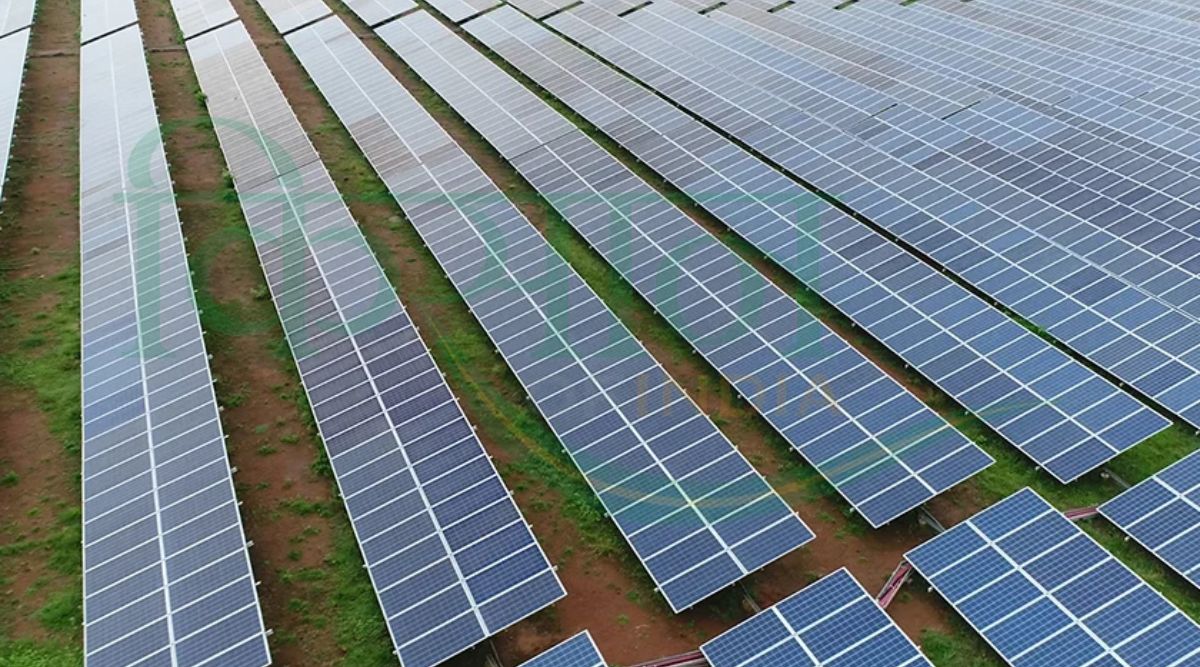
Farmers who depend on diesel pumps or face unreliable electricity supply can explore solar-powered irrigation under the Pradhan Mantri Kisan Urja Suraksha evam Utthaan Mahabhiyan, known as PM-KUSUM. The scheme supports standalone solar pumps, solarisation of existing agricultural pumps and decentralised renewable-energy plants.
The Ministry of New and Renewable Energy designed the scheme to reduce dependence on conventional energy and support farm income. Its official portal lists separate components for off-grid pumps, grid-connected pumps and solar power plants. Farmers must check which component is available through their state implementing agency before spending money or applying.
1. Understand the three components
PM-KUSUM has three main components. Component A supports decentralised grid-connected renewable-energy plants, while Component B supports standalone solar agricultural pumps in areas without grid electricity. Component C supports solarisation of existing grid-connected agricultural pumps, including projects that solarise entire agricultural feeders.
The appropriate component depends on the farmer’s electricity connection, land and project arrangements. A farmer without grid power may explore Component B, while a farmer with an existing grid-connected pump may be eligible under Component C. The state agency determines which projects are sanctioned and how applications are processed.
2. Check the subsidy rules for your state
Under the published guidelines, central financial assistance for standalone solar pumps is generally 30% of the applicable benchmark or tender cost, whichever is lower. The state government provides at least 30% support, leaving the farmer to meet the remaining share, subject to the approved project arrangement.
Jammu and Kashmir is among the regions eligible for a higher central contribution of 50% of the benchmark or tender cost, whichever is lower, for specified solar-pump support. The published guidelines also provide for at least 30% state subsidy. Farmers should confirm the applicable state share and current availability before estimating their own payment.
3. Find out whether your pump and location qualify
Component B is intended for standalone solar agricultural pumps of up to 7.5 horsepower in areas where grid electricity is unavailable. Component C covers eligible grid-connected agricultural pumps and their solarisation. These are different arrangements, so farmers should not apply under one component simply because they want solar power.
Before starting, gather details about the farm, water source, existing pump and electricity connection, if any. Ask the designated state department or implementing agency whether the location is covered by an approved allocation. Technical suitability also matters, particularly where water availability, pumping depth or seasonal irrigation demand may affect system sizing.
4. Apply through official channels
The official PM-KUSUM portal provides scheme information, implementing-agency details, vendor lists and rates for standalone solar pumps. Farmers should begin with the National PM-KUSUM Portal and follow the instructions issued by their state’s designated agency. The application process and availability of equipment can vary by state and component.
Do not assume that filling out an online form guarantees approval or immediate installation. Sanctions depend on approved allocations, implementation arrangements and the required documentation. Farmers should obtain a receipt or application reference, keep copies of submitted records and verify any payment instructions directly with the authorised department.
5. Calculate the farmer’s contribution before committing
A subsidy reduces the eligible cost but does not necessarily cover the entire installation. The final contribution depends on the sanctioned system, applicable benchmark or tender cost, state support and the project’s terms. Ask the implementing agency for a written cost breakdown showing the subsidy and amount payable by the farmer.
The published guidelines allow bank finance for eligible projects, which may reduce the amount a farmer needs to pay upfront. A loan still has to be repaid. Farmers should compare repayment obligations with expected savings on diesel or electricity and check maintenance costs before agreeing to a financing arrangement.
6. Consider maintenance and water use
Solar pumps can reduce the need to buy diesel or rely on grid electricity during irrigation, but the benefits depend on the farm’s water source, system design and irrigation schedule. Farmers should ask about warranties, servicing, spare parts and the availability of technicians before selecting an approved vendor.
Solar power can also make pumping less expensive at the point of use, so farmers need to avoid drawing water without considering groundwater or local water availability. Efficient irrigation methods, including drip or sprinkler systems where suitable, can help match water use to crop needs. Pump capacity should be based on technical assessment rather than simply choosing the largest available model.
7. Watch for fraudulent websites and payment demands
The Ministry of New and Renewable Energy has warned farmers about fake websites and mobile applications that use the PM-KUSUM name to demand registration fees or advance pump payments. The ministry advises applicants to use its official website and authorised state implementing agencies instead of paying unfamiliar online intermediaries.
Check the web address carefully, verify the vendor against the official portal and ask the implementing agency to confirm any payment request. Do not share banking credentials or pay an agent who promises guaranteed approval. The official PM-KUSUM portal also lists the ministry’s toll-free number, 1800-180-3333, for scheme information.
PM-KUSUM can help eligible farmers adopt solar irrigation and reduce dependence on conventional energy. The key steps are to identify the right scheme component, confirm current availability, understand the state-specific subsidy and calculate the remaining cost before signing a contract.
Farmers in Jammu and Kashmir should check current allocations and application arrangements with the designated state agency. Scheme guidelines and timelines can change, so use the official portal rather than relying on old advertisements or unofficial websites.
Also Read: Punarnava Jal – The world’s first organic fertilizer! Know how it is beneficial for farmers?
Contact us – If farmers want to share any valuable information or experiences related to farming, they can connect with us via phone or whatsapp at 9599273766 or you can write to us at “kisanofindia.mail@gmail.com”. Through Kisan of India, we will convey your message to the people, because we believe that if the farmers are advanced then the country is happy.
You can connect with Kisan of India on Facebook, Twitter, and Whatsapp and Subscribe to our YouTube channel.
