



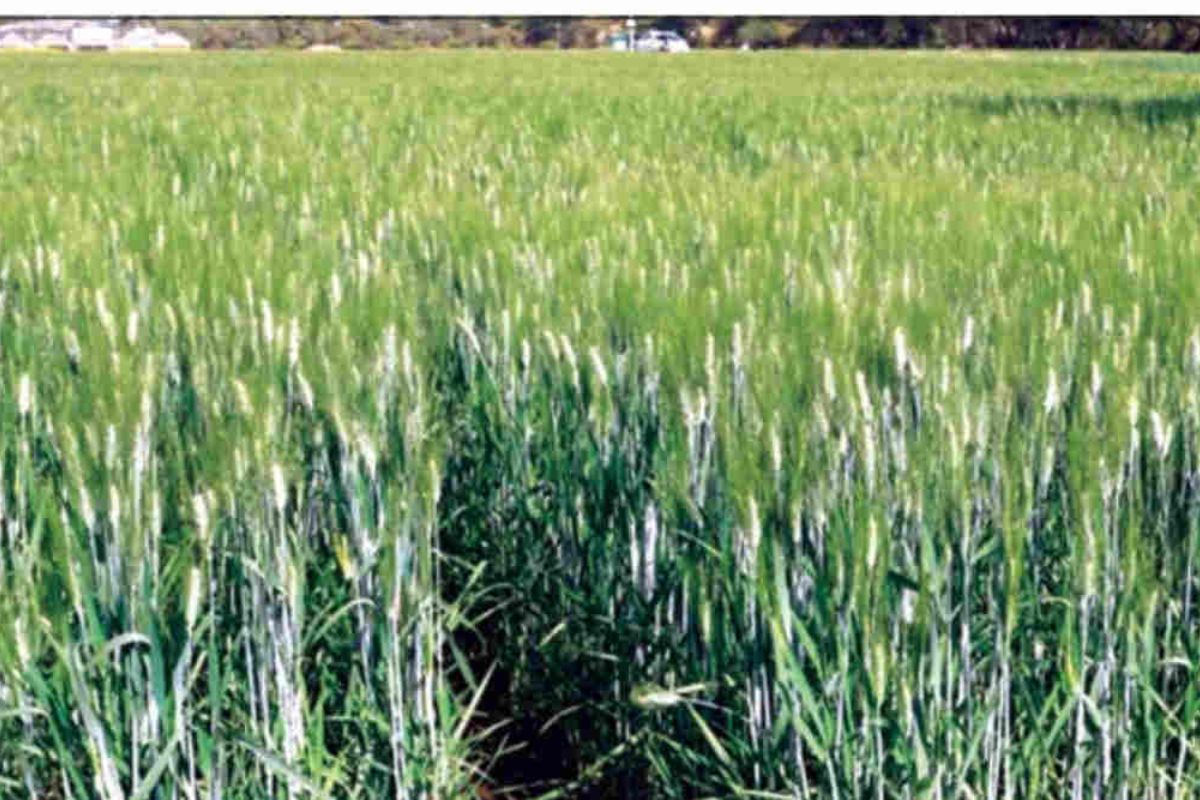
Wheat is the second most important food crop in India after rice. Every rabi season, millions of farmers across Punjab, Haryana, Uttar Pradesh, Madhya Pradesh, and Rajasthan sow wheat across nearly 30 million hectares of land. The crop feeds over a billion Indians and forms the raw material for everything from chapati to biscuits to bread. Indian wheat farmers are not just cultivators, they are the guardians of the nation’s food security. Understanding the crop well and adopting the right practices separates an average wheat farmer from a profitable one.
Understanding the Wheat Growing Season
Wheat is a cool-season crop. Farmers sow it between October and December and harvest between February and April depending on the region. The ideal temperature during the growing period is 10 to 15 degrees Celsius. Punjab and Haryana together contribute nearly 50% of the wheat procured by the Food Corporation of India every year. A good wheat crop needs timely irrigation, especially at the crown root initiation stage (21 days after sowing) and the grain filling stage. Missing irrigation at these two stages alone can reduce yield by up to 25%, no matter how well everything else is managed.
“I have been growing wheat for 35 years. The crop never disappoints if you give it water on time and use the right variety. The secret is in the soil preparation.”, Gurmail Singh, wheat farmer, Ludhiana, Punjab
High-Yielding Varieties That Farmers Trust
HD 3086, HD 2967, GW 496, and DBW 187 are among the most popular high-yielding wheat varieties across India. HD 3086, developed by the Indian Agricultural Research Institute (IARI), produces up to 6.5 tonnes per hectare under optimal conditions and shows excellent resistance to yellow rust, a major disease threat. DBW 187 has become a favourite in Uttar Pradesh and Madhya Pradesh due to its tolerance to terminal heat stress — a growing concern due to changing weather patterns. Farmers who choose certified seed from government outlets and KVKs report consistently higher yields than those using farm-saved seed year after year.
Smart Inputs, Lower Costs
Balanced fertiliser application is the single biggest factor after irrigation in determining wheat yield. Most farmers apply too much nitrogen and too little phosphorus and potassium. Soil testing before sowing helps farmers apply fertilisers based on actual soil needs, cutting input costs by 15 to 20% while maintaining or improving yield. Zero tillage wheat sowing using a Happy Seeder or zero-till drill reduces the cost of land preparation by Rs 1,500 to Rs 2,000 per acre, saves soil moisture, and allows farmers in Punjab and Haryana to sow wheat immediately after paddy harvest without burning stubble — solving two problems at once.
“I started soil testing three years ago. Now I spend Rs 800 less per bigha on fertilisers and my yield is actually better. I tell every farmer in my village to test before they apply.” Meena Devi, wheat farmer, Muzaffarnagar, Uttar Pradesh
Government View
The government announces the Minimum Support Price (MSP) for wheat every year before the sowing season. For the 2025-26 rabi season, the MSP for wheat stands at Rs 2,425 per quintal. Farmers can sell at MSP through procurement centres run by state agencies and the Food Corporation of India. The PM-KISAN scheme provides Rs 6,000 per year directly to eligible wheat farmers to support input costs. Under the Decentralised Procurement Scheme, states like Madhya Pradesh and Rajasthan are rapidly expanding their procurement network so that more farmers can access guaranteed price support and reduce their dependence on open market fluctuations.
Rising temperatures during grain filling, increasing resistance of weeds like Phalaris minor to herbicides, and the high cost of labour for harvesting are real challenges for wheat farmers today. Climate-resilient varieties, laser land levelling for uniform irrigation, and mechanised harvesting through combines are the tools that forward-looking farmers are already adopting. India’s wheat production has crossed 110 million tonnes in recent years. With smart farming practices and continued government support, Indian wheat farmers can push this number even further while reducing their input costs and improving profitability every single season.
Also Read: Punarnava Jal – The world’s first organic fertilizer! Know how it is beneficial for farmers?
Contact us – If farmers want to share any valuable information or experiences related to farming, they can connect with us via phone or whatsapp at 9599273766 or you can write to us at “kisanofindia.mail@gmail.com”. Through Kisan of India, we will convey your message to the people, because we believe that if the farmers are advanced then the country is happy.
You can connect with Kisan of India on Facebook, Twitter, and Whatsapp and Subscribe to our YouTube channel.