



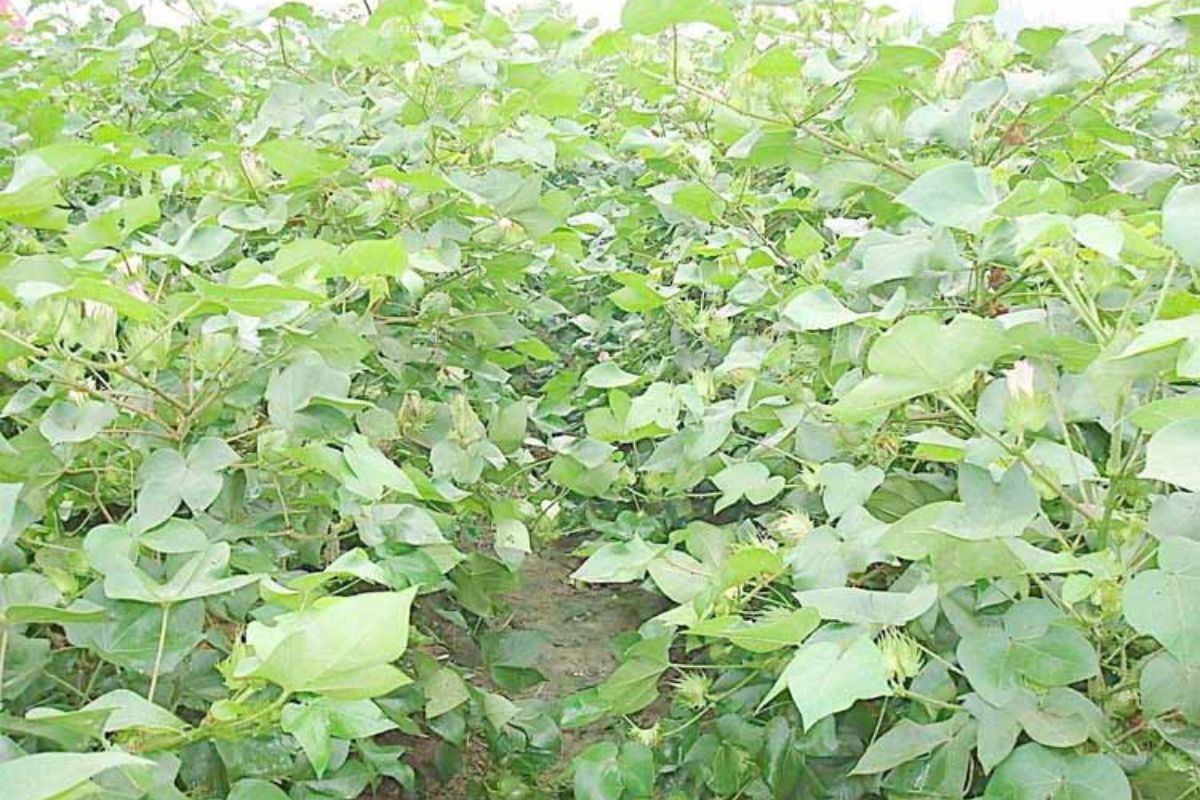
Pink bollworm has become one of the biggest challenges for India’s cotton farmers. In several cotton-growing states, the pest has developed resistance to the Bollgard II technology that once provided effective protection. As a result, farmers have faced rising pesticide costs, lower yields and increasing production risks. Scientists have now developed a new technology that could strengthen cotton’s defence against the destructive insect.
The ICAR-Sugarcane Breeding Institute (SBI), Coimbatore, has licensed a novel crystal toxin gene to Rasi Seeds Pvt. Ltd. through a public-private partnership. The technology is designed to provide resistance against Bollgard II-resistant pink bollworm, marking an important breakthrough in India’s cotton biotechnology research. The licensing agreement was signed during ICAR’s 98th Foundation Day celebrations in July 2026.
Pink bollworm attacks cotton bolls, damaging fibres and reducing both yield and quality. Over the past decade, resistance to existing Bt technology has spread across major cotton-growing regions, making pest management increasingly difficult for farmers.
The newly licensed crystal toxin gene targets these resistant insect populations. Scientists say it has been developed to overcome the limitations of the existing technology while supporting more effective and durable pest control in future cotton hybrids.
Public Research Reaches Farmers Through Industry
Instead of remaining inside research laboratories, the technology will now move towards commercial development through the seed industry.
The licensing agreement allows private-sector partners to incorporate the gene into future cotton hybrids after completing the necessary regulatory and evaluation processes. This public-private collaboration is expected to accelerate the delivery of advanced technologies to farmers while encouraging further agricultural innovation.
Pink bollworm outbreaks often force farmers to spray insecticides repeatedly during the cotton season, increasing production costs and environmental risks.
If successfully commercialised, the new technology could reduce crop damage, improve yields and lower dependence on repeated insecticide applications. Researchers believe integrating new resistance genes with integrated pest management practices will also help delay the development of future pest resistance.
India is the world’s largest cotton producer, and millions of farmers depend on the crop for their livelihood. States such as Maharashtra, Gujarat, Telangana, Andhra Pradesh, Madhya Pradesh, Punjab and Haryana have experienced severe pink bollworm infestations in recent years.
The new ICAR technology offers a scientific solution developed in India for Indian farming conditions. Once regulatory approvals are completed and new hybrids become available, the technology could help improve productivity while reducing economic losses caused by one of cotton’s most destructive pests.
A Step Towards Stronger Cotton Research
The licensing of the novel crystal toxin gene highlights the growing role of Indian research institutions in developing next-generation agricultural technologies. Instead of relying only on imported innovations, Indian scientists are creating solutions for local production challenges. If adopted successfully, the breakthrough could strengthen cotton farming, improve farmer incomes and support more sustainable pest management across the country’s cotton belt.
Also Read: Punarnava Jal – The world’s first organic fertilizer! Know how it is beneficial for farmers?
Contact us – If farmers want to share any valuable information or experiences related to farming, they can connect with us via phone or whatsapp at 9599273766 or you can write to us at “kisanofindia.mail@gmail.com”. Through Kisan of India, we will convey your message to the people, because we believe that if the farmers are advanced then the country is happy.
You can connect with Kisan of India on Facebook, Twitter, and Whatsapp and Subscribe to our YouTube channel.