



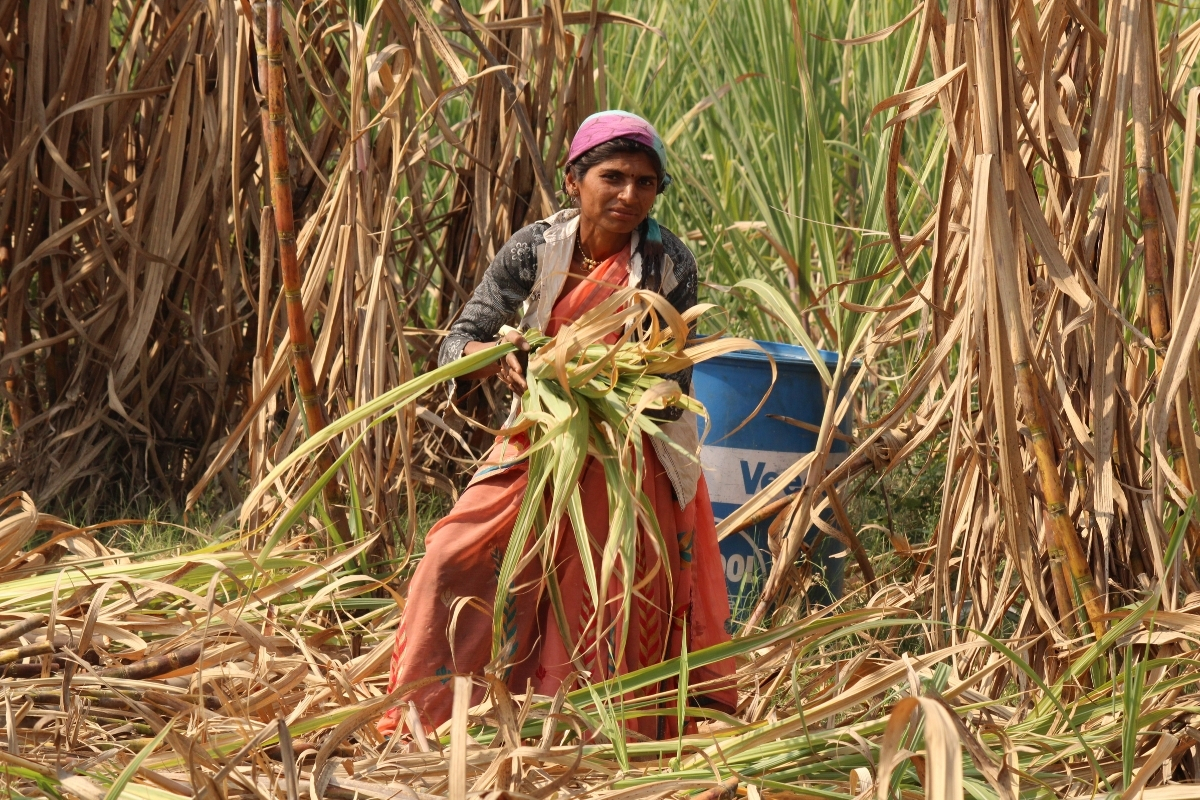
Sugarcane farmers face a constant challenge from insects and other pests that can damage crops and reduce yields.
A recent ICAR-linked agricultural outreach programme has focused on integrated pest management, or IPM, as a practical way to protect sugarcane through regular monitoring, biological control and scientific crop management.
The approach is gaining attention because farmers often need alternatives to relying only on repeated pesticide applications.
Farmers can lose time and money when pesticides are used without first identifying the pest. Different sugarcane pests cause different types of damage. The control method that works for one pest may not work for another.
Integrated pest management begins with regular field monitoring.
Farmers need to check crops for pest activity and understand whether the damage has reached a level that requires action.
This can help avoid unnecessary pesticide use.
The recent outreach activity highlighted integrated pest management as an important part of protecting sugarcane production and improving farm practices.
What integrated pest management means
IPM does not depend on one method. It combines different approaches based on the pest, crop stage and local conditions.
These can include:
- Regular crop monitoring
- Use of healthy planting material
- Field sanitation
- Biological control
- Mechanical removal where suitable
- Scientific use of pesticides when required
The main idea is to control pests without automatically depending on chemical sprays as the first response. For farmers, this can mean making pest management decisions based on what is actually happening in the field.
Crop management also plays a role in pest control. Poorly managed fields can become more vulnerable to pest problems. Farmers can reduce risks by using healthy planting material, maintaining suitable field conditions and following recommended crop practices.
Removing heavily affected plant material and maintaining field sanitation can also help reduce the spread of some pests. These practices do not guarantee that a pest outbreak will not occur. They can help farmers reduce the conditions that allow pests to spread quickly.
Integrated pest management can also include biological control. This involves using natural enemies of pests where scientifically recommended. Beneficial organisms can help limit pest populations and reduce dependence on chemical control in suitable situations.
The approach requires technical guidance. Farmers need to know which biological control method is suitable for a particular pest and when it should be used. Agricultural scientists and Krishi Vigyan Kendras can provide location-specific advice because pest problems differ between sugarcane-growing regions.
Pesticides still have a role
IPM does not mean farmers should never use pesticides. When pest populations reach damaging levels, chemical control may be necessary. The key is to use the correct product at the correct stage and follow the recommended dose. Unnecessary or repeated spraying can increase costs without always improving crop protection.
Incorrect pesticide use can also affect beneficial insects and create other problems in the field. Farmers should therefore avoid choosing pesticides based only on advice from other farmers or market sellers. Local agricultural departments and experts can help identify the right response.
Pest management works best when farmers identify problems early. Waiting until large parts of the crop show serious damage can make control more difficult. Regular field visits can help farmers identify:
- Unusual leaf damage
- Boreholes or damaged shoots
- Changes in plant growth
- Signs of insect activity
- Spread of damage across the field
Early detection gives farmers more options. It can also reduce the need for emergency pesticide applications later.
Technology and farm knowledge need to work together
Integrated pest management combines scientific knowledge with regular observation by farmers.
A farmer understands changes happening in the field. Agricultural experts can help identify the cause and recommend the right control method.
This connection is important because a pest-management recommendation from one district may not always suit another area.
Weather, crop variety and local pest populations can affect the response.
The recent focus on sugarcane IPM shows that improving crop protection does not always require a new machine or expensive technology.
Sometimes, better results can come from improving how farmers observe, identify and respond to problems in their existing fields.
For sugarcane farmers, the practical lesson is simple: check the crop regularly, identify the problem correctly and use control measures only when they are needed.
Also Read: Punarnava Jal – The world’s first organic fertilizer! Know how it is beneficial for farmers?
Contact us – If farmers want to share any valuable information or experiences related to farming, they can connect with us via phone or whatsapp at 9599273766 or you can write to us at “kisanofindia.mail@gmail.com”. Through Kisan of India, we will convey your message to the people, because we believe that if the farmers are advanced then the country is happy.
You can connect with Kisan of India on Facebook, Twitter, and Whatsapp and Subscribe to our YouTube channel.