



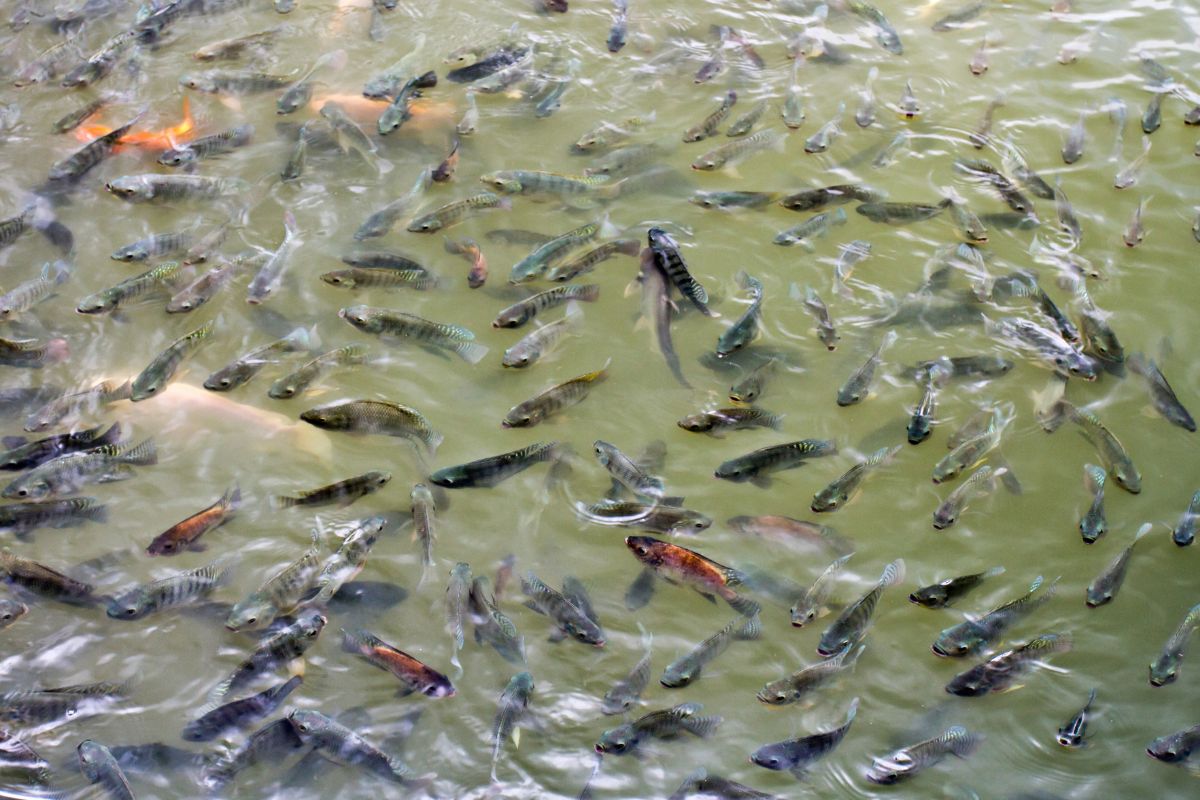
Aquaculture is quietly becoming one of the fastest-changing sectors in Indian agriculture. Across Andhra Pradesh, Odisha, West Bengal, Kerala, and Gujarat, fish farmers are increasingly using artificial intelligence and sensor-based systems to manage ponds more efficiently.
Traditional fish farming depended heavily on manual observation. Farmers checked water colour, fish movement, and feeding behaviour using experience passed down through generations. That system still exists, but climate instability and rising operational costs are pushing aquaculture toward data-driven management.
Agriculture experts say fish farming is becoming more complex because water temperature changes, oxygen fluctuations, disease outbreaks, and feed costs now affect profitability sharply.
This is where AI monitoring systems are entering the sector.
Modern aquaculture systems now use floating sensors inside ponds that monitor:
- Oxygen levels
- Water temperature
- pH balance
- Salinity
- Ammonia concentration
The data moves directly into mobile applications where AI systems analyze conditions in real time. Farmers receive alerts if oxygen drops suddenly or if water quality becomes dangerous for fish survival.
Researchers say this reduces fish mortality and improves feed efficiency because farmers respond faster before conditions worsen.
In Andhra Pradesh, which remains India’s biggest aquaculture-producing state, technology startups are increasingly introducing AI-based pond management systems for shrimp and fish farmers.
Feed Costs Are Driving AI Adoption
Feed remains one of the largest expenses in commercial aquaculture. Many fish farmers overfeed ponds because they cannot accurately estimate fish appetite or growth rates. Uneaten feed later pollutes water and increases disease risk.
AI feeding systems now use underwater cameras and behaviour tracking to study fish movement during feeding. Some systems automatically stop feeding when fish activity slows down.
Agriculture experts say this reduces waste and improves profitability because feed efficiency directly affects commercial aquaculture margins.
Researchers believe automated feeding may become one of the biggest technological shifts in fish farming during coming years.
Climate pressure is creating major uncertainty for fisheries and aquaculture. Rising temperatures, cyclones, saline intrusion, and unpredictable rainfall patterns are changing pond conditions rapidly across coastal regions.
Fish and shrimp are highly sensitive to temperature and oxygen changes. Even small fluctuations can trigger disease outbreaks or large-scale mortality events.
Agriculture experts say AI systems help farmers respond faster during climate stress because real-time monitoring provides early warnings before major damage occurs.
Some systems now combine weather forecasting with aquaculture alerts to help farmers prepare for heavy rainfall or heat stress periods.
Young Entrepreneurs Are Entering Fisheries
One major change in Indian aquaculture is the rise of technology-focused rural entrepreneurs. Engineering graduates and young startup founders are increasingly entering fisheries with digital platforms, AI systems, and smart aquaculture tools.
Some startups now provide subscription-based pond monitoring services where farmers access AI recommendations through smartphones without buying expensive infrastructure independently.
Agriculture experts say aquaculture may become one of India’s biggest agri-tech sectors because seafood demand continues rising globally.
Traditional fishing villages are slowly transforming into commercial aquaculture hubs linked with export markets and digital technology systems.
Farmers raising shrimp and fish for export increasingly use:
- Aerators
- AI sensors
- Water testing systems
- GPS pond mapping
- Mobile disease diagnostics
Researchers say aquaculture is becoming less dependent on instinct alone and more connected with scientific management and predictive systems.
Still, many small farmers continue struggling with rising electricity costs, disease outbreaks, and export market fluctuations.
Technology May Reshape Fisheries
India is already one of the world’s largest fish-producing countries. Agriculture experts believe future growth will depend heavily on sustainable aquaculture because wild marine fisheries face increasing pressure from overfishing and climate change.
AI systems alone will not solve every challenge in fisheries. Farmers still need better insurance, market access, cold chains, and climate protection systems.
But researchers believe smart aquaculture will continue expanding because fish farming is becoming more intensive, export-driven, and climate-sensitive.
Across India’s coastal belt, farming is no longer happening only on land. Increasingly, it is happening through sensors floating silently on water.
Also Read: Punarnava Jal – The world’s first organic fertilizer! Know how it is beneficial for farmers?
Contact us – If farmers want to share any valuable information or experiences related to farming, they can connect with us via phone or whatsapp at 9599273766 or you can write to us at “kisanofindia.mail@gmail.com”. Through Kisan of India, we will convey your message to the people, because we believe that if the farmers are advanced then the country is happy.
You can connect with Kisan of India on Facebook, Twitter, and Whatsapp and Subscribe to our YouTube channel.