


India’s Farm Residue Could Become a ₹15,000 Crore Bioenergy Market

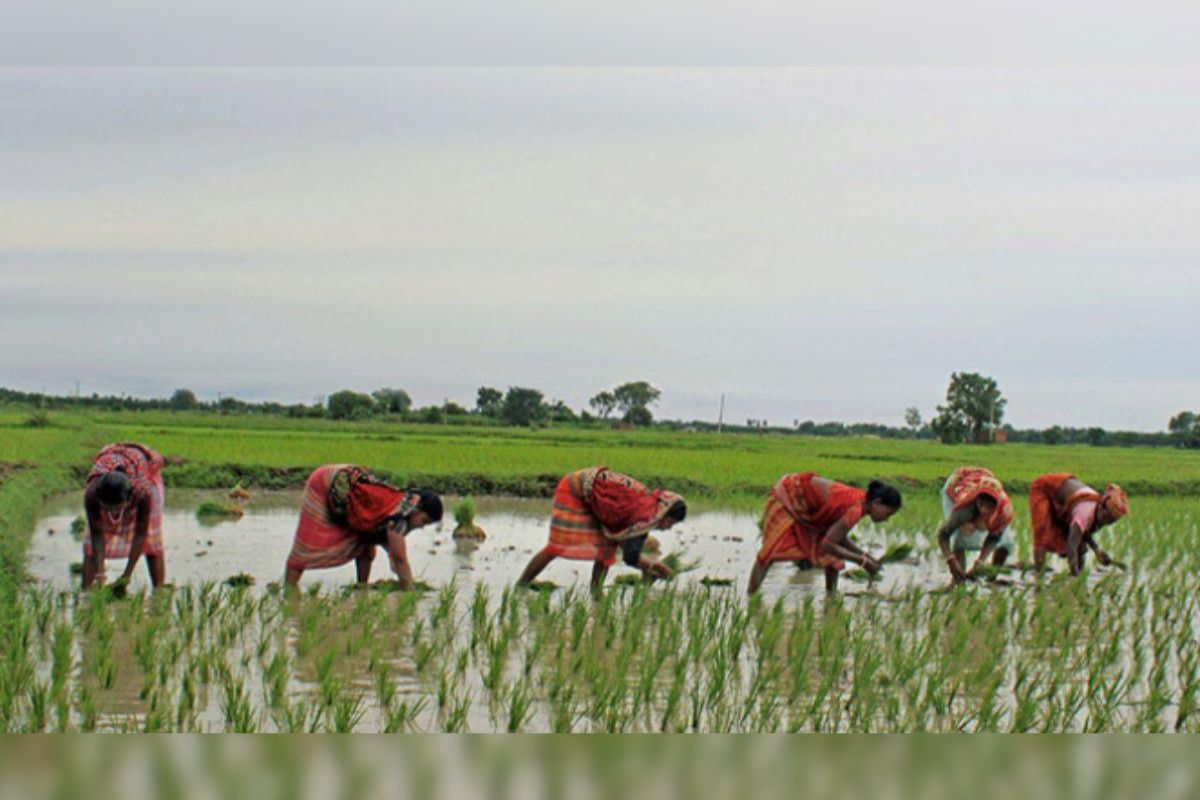
India’s agricultural residue could become the foundation of a ₹15,000 crore bioenergy opportunity, but experts say the sector needs better collection systems, fair prices and long-term purchase agreements to make the business work for farmers. The issue was discussed at the India Bio Energy Technology Expo 2026 in Greater Noida, where industry representatives called for stronger links between farmers and bioenergy companies.
Large quantities of rice straw, wheat residue, maize stalks, sugarcane waste and other agricultural material are produced every year. Much of it has limited commercial value at the farm level. Turning this material into compressed biomass, biogas, bio-CNG and other energy products could create another income source for farmers.
The biggest challenge is not the availability of agricultural waste. It is getting that material from farms to processing plants at a cost that works for both farmers and businesses.
Crop residue is scattered across thousands of farms. Collecting, baling, transporting and storing it requires machinery, labour and organised logistics. If these costs become too high, bioenergy companies may struggle to pay farmers competitive prices.
Experts at the expo called for village-level collection centres and farmer-led aggregation systems. Such centres could allow farmers to bring residue to a common location instead of companies collecting small quantities from individual fields.
Farmer Producer Organisations could also play a role by aggregating crop residue from members and negotiating directly with bioenergy companies.
Long-Term Buyers Can Make the Business Work
Bioenergy businesses need a reliable supply of raw material throughout the year. Farmers, in turn, need confidence that somebody will purchase their residue before investing time and money in collection.
Experts have therefore called for long-term procurement agreements between biomass suppliers and energy companies. Such contracts could give farmers greater certainty about prices and help companies plan their raw material requirements.
A stable market could also encourage farmers to stop treating residue as waste. Instead of burning or leaving it in the field, farmers could collect material that has a defined commercial value.
This approach could create business opportunities around baling, transport, storage and processing as well.
From Farm Waste to Rural Business
The bioenergy opportunity extends beyond the farmer who supplies the residue.
Local entrepreneurs can operate collection and transportation services. Custom Hiring Centres can provide balers and other machinery. FPOs can aggregate material from several villages. Processing companies can convert the residue into fuel or energy products.
This creates a rural business chain around material that previously had little value.
The model could also help address stubble burning in areas where farmers need to clear fields quickly between crops. If residue collection becomes commercially viable, farmers would have another option besides burning it.
The success of the sector will depend on the economics. Farmers need a price that makes collection worthwhile, while bioenergy companies need reliable supplies at a competitive cost.
India’s growing interest in biomass and bioenergy is creating a new opportunity for agricultural communities. The estimated ₹15,000 crore market shows the scale of the potential, but the real test will be building the local collection networks, machinery services and buyer agreements needed to connect farm residue with energy producers.
Also Read: Punarnava Jal – The world’s first organic fertilizer! Know how it is beneficial for farmers?
Contact us – If farmers want to share any valuable information or experiences related to farming, they can connect with us via phone or whatsapp at 9599273766 or you can write to us at “kisanofindia.mail@gmail.com”. Through Kisan of India, we will convey your message to the people, because we believe that if the farmers are advanced then the country is happy.
You can connect with Kisan of India on Facebook, Twitter, and Whatsapp and Subscribe to our YouTube channel.