



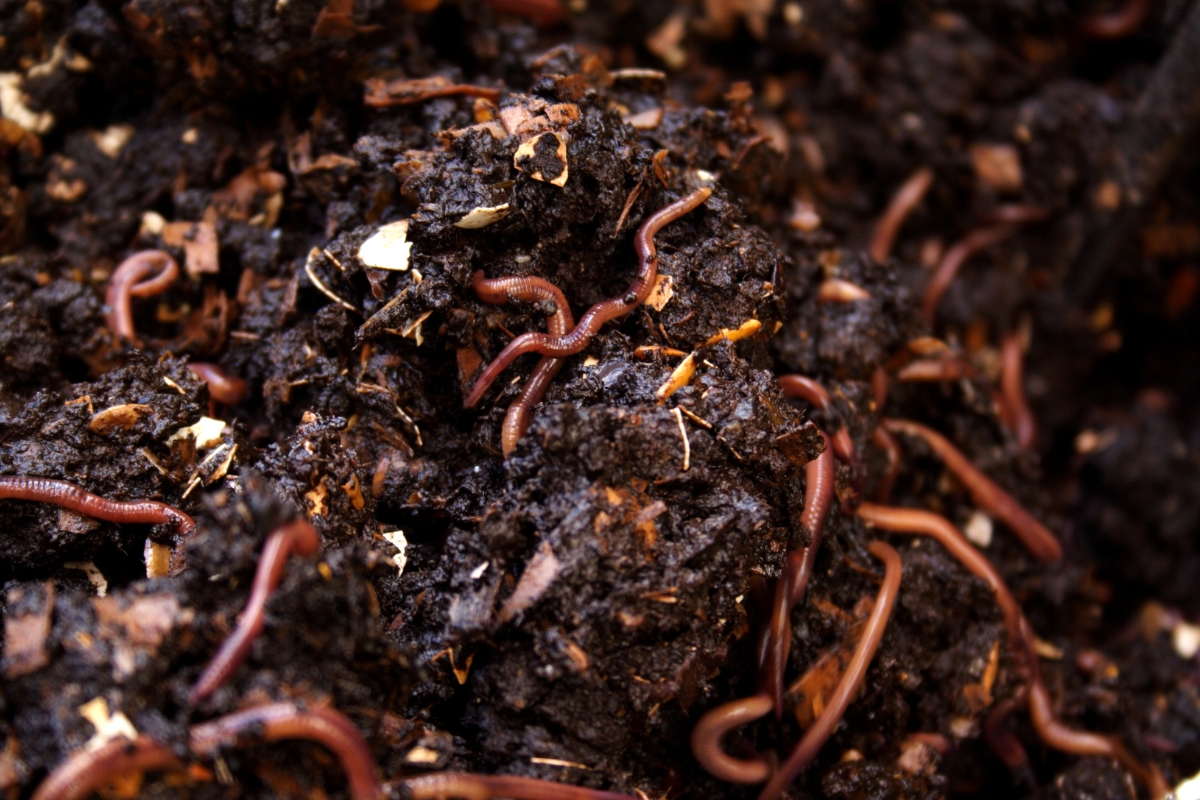
Madhya Pradesh is expanding support for community-based vermicompost production units as part of its broader effort to improve soil health and reduce dependence on costly external farm inputs. The initiative encourages farmer groups, self-help groups, and rural organisations to establish composting centres that convert organic waste into nutrient-rich vermicompost for agricultural use.
The programme comes at a time when many farmers are facing rising cultivation expenses. Fertilisers account for a significant share of production costs, particularly for small and marginal farmers. By promoting local production of organic manure, policymakers hope to improve soil fertility while reducing input expenses at the village level.
Agricultural experts believe such initiatives can strengthen long-term sustainability by improving nutrient management and increasing the use of locally available resources.
Many farmers have access to crop residues, livestock waste, and organic materials that can be converted into valuable fertilisers. However, individual compost production is often limited by labour, space, or technical knowledge. Community vermicompost units address this challenge by allowing multiple farmers to participate in organised production systems.
These shared facilities help distribute costs while increasing overall production capacity. Farmers gain access to organic fertilisers at lower prices than many commercial alternatives. Researchers studying rural development frequently note that community-based models can improve efficiency and increase adoption rates for sustainable agricultural practices.
The cooperative nature of the programme is one of its strongest features because benefits are distributed across entire villages rather than a small number of producers.
Soil Health Receives Greater Attention
Soil degradation remains a growing concern across many agricultural regions. Declining organic matter levels, nutrient imbalances, and reduced biological activity can affect long-term productivity. Vermicompost is widely recognised for its ability to improve soil structure while supporting beneficial microbial activity.
Agricultural scientists increasingly emphasise that soil health should be treated as a long-term investment rather than a seasonal input requirement. Organic amendments contribute to nutrient cycling, moisture retention, and improved root development. Programmes encouraging compost use therefore support broader goals related to agricultural sustainability.
The expansion of community units reflects a growing recognition that healthy soils are essential for stable agricultural production.
Many vermicompost centres are being managed by women’s self-help groups that oversee production, packaging, and distribution activities. These enterprises generate local employment while creating additional income opportunities for rural households.
Development experts often highlight such initiatives because they combine environmental benefits with economic empowerment. Women participating in compost production gain access to new livelihood opportunities while contributing to local agricultural development.
The involvement of self-help groups has helped improve programme implementation in several districts where community participation remains strong.
Organic Waste Becomes a Valuable Resource
One of the most important advantages of vermicomposting is its ability to transform agricultural and household waste into useful products. Materials that might otherwise be burned or discarded can be converted into nutrient-rich compost suitable for crop production.
Researchers studying circular agricultural systems frequently point to composting as a practical example of resource efficiency. Waste generated within farming systems is returned to the soil rather than leaving the production cycle. This reduces environmental impacts while creating economic value.
The approach demonstrates how local resources can support local agriculture when managed effectively.
Many farmers are seeking ways to reduce production costs without compromising crop performance. Rising fertiliser prices have increased interest in alternative nutrient sources capable of supplementing conventional inputs.
Community vermicompost units contribute to this objective by providing locally produced fertilisers that improve soil conditions while reducing reliance on purchased products. Although vermicompost may not completely replace all nutrient requirements, it can play an important supporting role within integrated nutrient management strategies.
Agricultural economists often note that reducing input dependence improves resilience, particularly for small farmers facing financial constraints.
Building Sustainable Farming Systems
The expansion of community vermicompost units highlights a broader shift in agricultural policy. Increasing attention is being directed toward practices that improve productivity while protecting natural resources and reducing costs.
By supporting local fertiliser production, improving soil health, and creating rural employment opportunities, the programme addresses multiple challenges simultaneously. Its success will depend on continued farmer participation, technical support, and effective management at the community level.
For many villages, vermicompost is becoming more than an organic fertiliser. It is becoming part of a broader effort to build farming systems that are productive, resilient, and less dependent on costly external inputs.
Across Madhya Pradesh, what was once considered waste is being transformed into a resource that supports both agriculture and rural livelihoods.
Also Read: Punarnava Jal – The world’s first organic fertilizer! Know how it is beneficial for farmers?
Contact us – If farmers want to share any valuable information or experiences related to farming, they can connect with us via phone or whatsapp at 9599273766 or you can write to us at “kisanofindia.mail@gmail.com”. Through Kisan of India, we will convey your message to the people, because we believe that if the farmers are advanced then the country is happy.
You can connect with Kisan of India on Facebook, Twitter, and Whatsapp and Subscribe to our YouTube channel.