



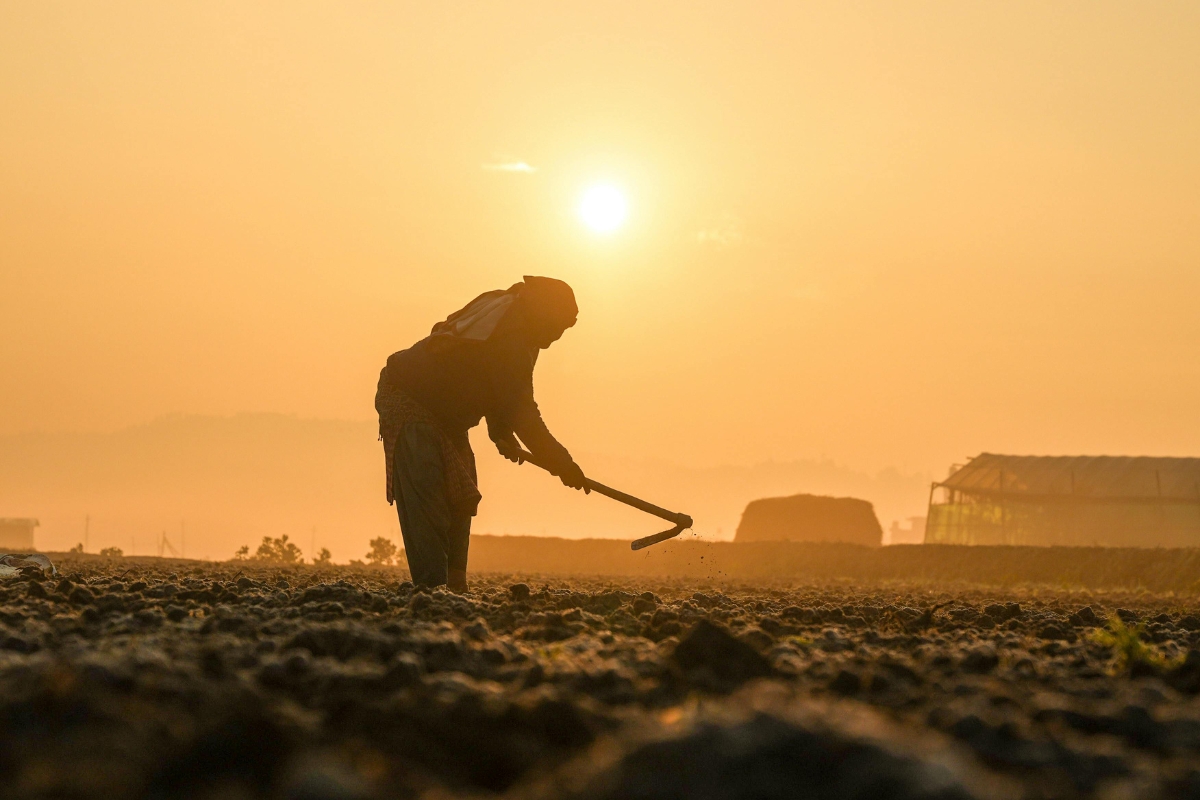
A farmer from Maharashtra faced a challenge common across rural India. Most farmers in his area cultivated small landholdings and could not afford expensive machinery such as seed drills, power weeders, mulchers, rotavators, and harvest equipment. As a result, many farming operations were delayed, reducing productivity and increasing labour costs.
Instead of expanding his own farming area, he identified a different opportunity. He invested in a few agricultural machines and began renting them to neighbouring farmers. What started as a small side activity soon developed into a full-fledged rural enterprise serving multiple villages during every cropping season.
Today, the business generates more income than crop cultivation alone and has become an important service for local farmers who need access to modern equipment without making large investments.
Many rural entrepreneurs fail because they focus on products rather than problems. This farmer took the opposite approach. Before purchasing machinery, he studied the difficulties faced by farmers in nearby villages and found that equipment access remained one of the biggest challenges affecting productivity.
Small farmers often needed machinery for only a few days each season. Purchasing expensive equipment made little economic sense for them. The rental model provided a practical solution. Farmers paid only when they needed the machines, while the entrepreneur generated income throughout the year by serving multiple customers.
The demand existed before the business started. The farmer simply organised a solution around it.
Starting Small Reduced Financial Risk
The entrepreneur did not begin with a large fleet of machinery. He purchased a limited number of tools that were in high demand and gradually expanded as revenue increased. This approach allowed him to understand customer needs and operational challenges before making larger investments.
Agricultural business experts frequently recommend gradual expansion because it reduces financial pressure and improves decision-making. The farmer followed this strategy carefully. Profits from the first few seasons were reinvested into additional equipment, helping the enterprise grow without excessive borrowing.
The business expanded steadily because growth was linked directly to actual demand.
As the customer base increased, managing bookings became more complex. The entrepreneur introduced mobile communication and digital recordkeeping to track equipment availability, rental schedules, maintenance requirements, and payments.
Simple digital tools helped improve efficiency and reduce scheduling conflicts. Farmers could reserve equipment in advance and plan field operations more effectively. Better coordination increased machine utilisation rates and improved customer satisfaction.
Researchers studying rural entrepreneurship often note that small technology improvements can significantly enhance business performance. This enterprise provides a strong example of that principle.
Farmers Benefited Alongside the Business
The success of the rental enterprise was closely linked to the success of its customers. Farmers gained access to machinery that would otherwise remain unaffordable. Timely land preparation, sowing, weeding, and harvesting improved operational efficiency across the area.
Many growers reported lower labour costs and better productivity because machinery was available when needed. The service also reduced delays that often occur when farmers wait for equipment from distant locations.
As more farmers benefited, demand for the rental service continued to increase. The relationship created a positive cycle supporting both the entrepreneur and the local farming community.
As the business grew, the entrepreneur hired operators, mechanics, and support staff to manage equipment and coordinate field operations. Seasonal employment opportunities increased, creating additional income sources within the villages served by the enterprise.
The expansion demonstrates how agricultural service businesses can generate economic activity beyond direct farming. Researchers increasingly highlight rural service sectors as important contributors to agricultural development because they improve productivity while creating jobs.
The machinery rental model achieved both objectives simultaneously.
Building a Business Beyond Crop Production
The farmer’s journey highlights an important shift taking place in modern agriculture. Successful rural enterprises are not limited to crop cultivation. Many opportunities now exist in services that help farmers improve productivity and reduce costs.
By focusing on machinery access rather than expanding his own farmland, the entrepreneur created a business that supports hundreds of growers while generating sustainable income. The enterprise continues to grow because it addresses a genuine need within the agricultural community.
His success demonstrates that some of the most profitable opportunities in farming may not come from producing more crops. They may come from helping other farmers produce theirs more efficiently.
Also Read: Punarnava Jal – The world’s first organic fertilizer! Know how it is beneficial for farmers?
Contact us – If farmers want to share any valuable information or experiences related to farming, they can connect with us via phone or whatsapp at 9599273766 or you can write to us at “kisanofindia.mail@gmail.com”. Through Kisan of India, we will convey your message to the people, because we believe that if the farmers are advanced then the country is happy.
You can connect with Kisan of India on Facebook, Twitter, and Whatsapp and Subscribe to our YouTube channel.