


From Odisha to Chicago: How Scientific Black Rice Farming Helped a Young Farmer Reach Global Markets

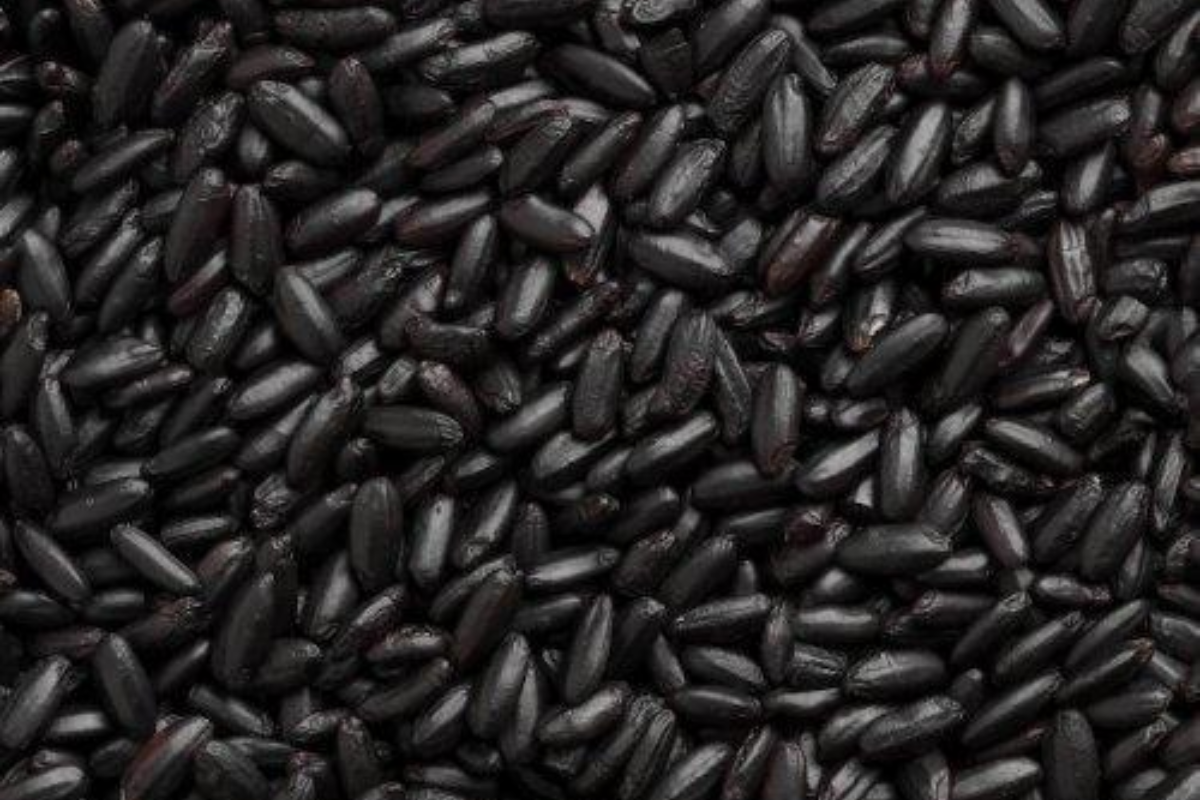
Black rice is gaining attention as a high-value crop, but growing it successfully requires more than simply replacing a traditional variety. A recent ICAR success story shows how a young farmer from Odisha combined scientific cultivation, improved processing and market connections to move his produce from local fields towards international buyers.
The story comes from Chikiti in Odisha, where scientific support helped a farmer explore the commercial potential of black rice. ICAR featured the case in August 2026 as an example of how improved production practices and market access can create new opportunities for farmers growing specialised crops.
Farmers often receive better prices for specialised crops only when they can reach the right buyers. A crop may have strong nutritional or commercial value, but local markets may not always offer a higher price. Farmers therefore need to understand demand before expanding production.
Black rice provides an example of this challenge. It can attract consumers looking for speciality grains, but farmers still need reliable buyers, processing facilities and quality standards. Producing more without a market can create the same price problems faced by growers of many other crops.
Scientific cultivation can improve crop quality
The ICAR success story highlights the role of scientific cultivation in helping the farmer improve black rice production. Farmers growing specialised crops need access to reliable seed, suitable crop management practices and technical guidance suited to local soil and weather conditions.
Scientific farming does not mean that every farmer must invest in expensive equipment. Better results can also come from selecting suitable seed, managing nutrients correctly and following recommended crop practices. Farmers should first identify which changes can solve problems in their own fields.
Raw agricultural produce does not always offer the highest possible return. Cleaning, grading and proper packaging can help farmers reach buyers who require consistent quality. These steps become especially important when farmers want to sell specialised crops outside their local markets.
For black rice, the final product must meet buyer expectations. Grain quality, cleanliness and packaging can influence whether a trader or consumer accepts the product. Farmers or groups entering premium markets should therefore consider post-harvest management as part of production.
The journey from Chikiti to Chicago shows why market connections matter as much as production. A farmer may successfully grow a high-value crop but still earn little without access to buyers willing to pay for its quality and speciality value.
Export opportunities can offer higher-value markets for some products, but they also create new requirements. Farmers must meet quality standards, maintain consistent supply and work with reliable buyers. Individual farmers may find this difficult, which makes collective marketing or partnerships more useful.
Farmers should not shift crops without studying demand
A success story can encourage other farmers to try the same crop. But conditions differ between regions. A farmer should not replace a major crop with black rice only because another producer achieved success. Local climate and market conditions remain important.
Before shifting to a specialised crop, farmers should ask:
- Who will buy the crop?
- What price is available locally?
- Is quality seed available?
- What production risks are involved?
- Can the crop be stored safely?
- What will happen if demand falls?
These questions can help farmers reduce the risk of making a decision based only on high market prices.
Speciality crops often require larger and more consistent volumes than an individual small farmer can supply. Farmer groups can aggregate produce, improve quality control and negotiate with buyers. This can make it easier to supply processors, retailers and larger markets.
India’s Farmer Producer Organisation programme is also supporting groups involved in aggregation, value addition and marketing. By August 2026, 10,000 FPOs had been formed under the central scheme, with many participating in business activities linked to agricultural produce.
For a speciality crop such as black rice, collective action can help farmers share costs related to processing, packaging and transport. A group may also have a better chance of meeting large orders than a farmer working alone.
Quality matters when farmers target premium buyers
Premium markets usually expect consistency. One batch of grain should not differ sharply from another in quality. This means farmers need to pay attention to harvesting, drying, storage and grading, not only crop production.
Farmers targeting high-value buyers should also understand what those buyers require. Some may want specific grain characteristics. Others may require particular packaging or traceability information. Understanding these requirements before production can prevent problems after harvest.
The Odisha story shows that a crop can become more valuable when farmers connect production with science and markets. Black rice alone did not create the opportunity. Technical support, improved cultivation and market access together helped move the farmer towards a larger customer base.
This lesson can apply to many other crops.
A farmer growing millet, spices, pulses or indigenous rice varieties may also find better opportunities by improving quality and identifying buyers beyond the nearest mandi.
Also Read: Punarnava Jal – The world’s first organic fertilizer! Know how it is beneficial for farmers?
Contact us – If farmers want to share any valuable information or experiences related to farming, they can connect with us via phone or whatsapp at 9599273766 or you can write to us at “kisanofindia.mail@gmail.com”. Through Kisan of India, we will convey your message to the people, because we believe that if the farmers are advanced then the country is happy.
You can connect with Kisan of India on Facebook, Twitter, and Whatsapp and Subscribe to our YouTube channel.