



Most farmers earn income only after harvesting their crops. This means they often wait several months before receiving returns from their investment. A farmer from Karnataka decided to approach agriculture differently by building a business that generated income before crops even reached the field.
Several years ago, he noticed that vegetable growers in his district struggled to obtain healthy and uniform seedlings. Many farmers prepared seedlings themselves, but germination rates were often inconsistent and disease problems were common. Recognising a market opportunity, he established a small nursery dedicated to raising vegetable seedlings for commercial growers.
What started as a side activity soon became one of the most profitable parts of his agricultural enterprise.
The farmer realised that successful vegetable cultivation begins with healthy planting material. Poor-quality seedlings often result in weak crop establishment and lower yields.
He invested time learning nursery management practices, including seed treatment, growing media preparation, disease prevention, and greenhouse management. Instead of focusing solely on crop production, he focused on supplying an input that every vegetable farmer required.
Agricultural economists frequently point out that businesses serving other farmers often experience stable demand because they support essential agricultural operations.
Protected Nursery Improved Quality
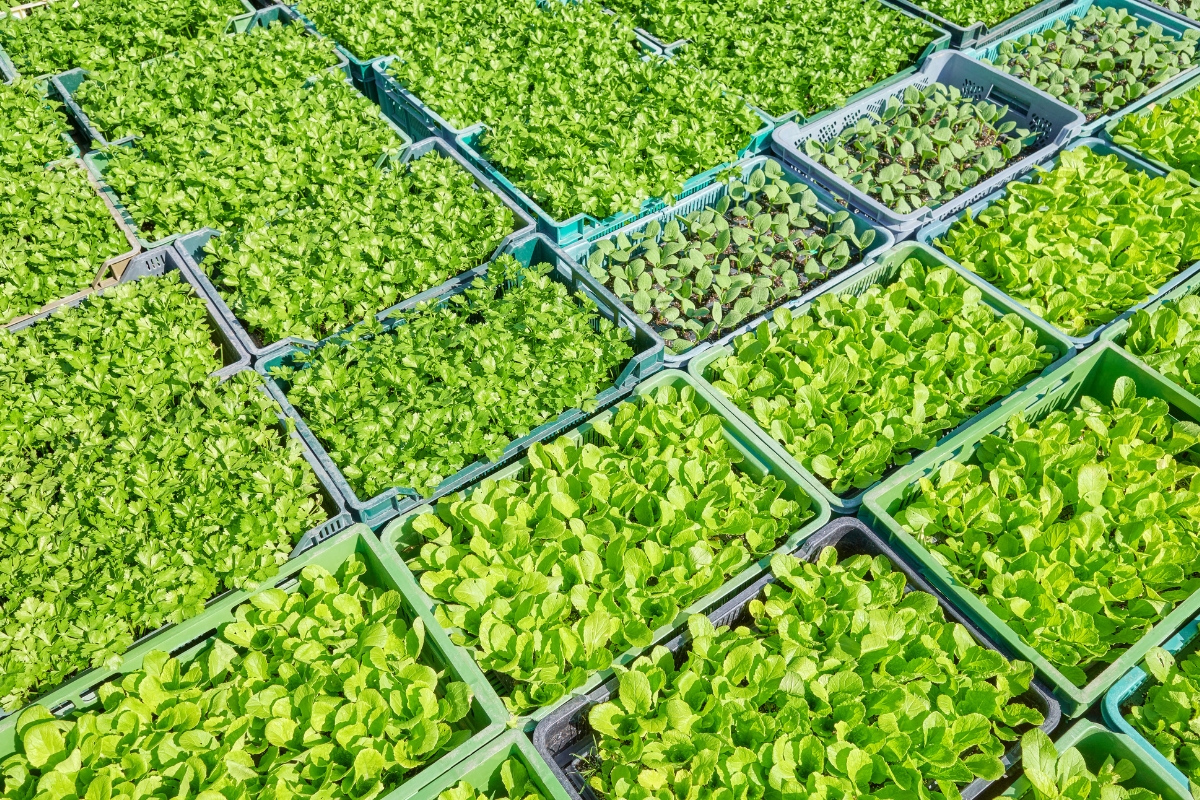
To improve germination and seedling survival, the farmer established a protected nursery structure. The controlled environment reduced exposure to heavy rainfall, excessive heat, and pest attacks.
Uniform conditions helped produce healthier seedlings with stronger root systems. Farmers purchasing the seedlings quickly noticed the difference in crop establishment compared with traditional nursery methods.
Researchers studying horticulture consistently emphasise that high-quality seedlings contribute significantly to overall crop performance.
Demand Expanded Rapidly
Initially, the nursery supplied only a few neighbouring farmers. As word spread about the quality of the seedlings, demand increased across nearby villages and districts.
Growers cultivating tomato, chilli, brinjal, capsicum, cabbage, and cauliflower began placing advance orders before each planting season. The farmer gradually expanded production capacity to meet growing demand.
The business benefited from repeat customers because vegetable farmers require fresh seedlings for every cropping cycle.
Income Arrives Throughout the Year
Unlike seasonal crop cultivation, nursery operations generate income throughout much of the year. Different vegetables are planted during different seasons, creating continuous demand for planting material.
This regular cash flow improved financial stability and reduced dependence on a single harvest. The farmer was able to invest further in infrastructure, irrigation systems, and nursery expansion.
Agricultural business experts often recommend diversified income streams because they reduce exposure to weather and market risks.
Employment Opportunities Grew
As the nursery expanded, additional workers were hired for seed sowing, tray filling, transplanting, watering, grading, and packaging activities.
The enterprise created local employment while supporting vegetable production across the region. Several young people received training in nursery management and gained practical horticultural skills.
Development specialists note that agricultural service businesses often create employment opportunities beyond primary farming activities.
Building a Business Before the Harvest
Today, the nursery supplies thousands of seedlings every season and generates income that often exceeds returns from conventional crop cultivation on the same area of land. The farmer continues growing crops but views the nursery as the foundation of his business.
His success demonstrates that opportunities in agriculture extend beyond producing food. Inputs, services, and specialised support activities can also become profitable enterprises.
For farmers looking to diversify income, seedling production offers an example of how understanding local needs can create sustainable business opportunities. Sometimes the most valuable crop is not the one harvested at the end of the season, but the one that helps other farmers begin theirs.
Also Read: Punarnava Jal – The world’s first organic fertilizer! Know how it is beneficial for farmers?
Contact us – If farmers want to share any valuable information or experiences related to farming, they can connect with us via phone or whatsapp at 9599273766 or you can write to us at “kisanofindia.mail@gmail.com”. Through Kisan of India, we will convey your message to the people, because we believe that if the farmers are advanced then the country is happy.
You can connect with Kisan of India on Facebook, Twitter, and Whatsapp and Subscribe to our YouTube channel.