



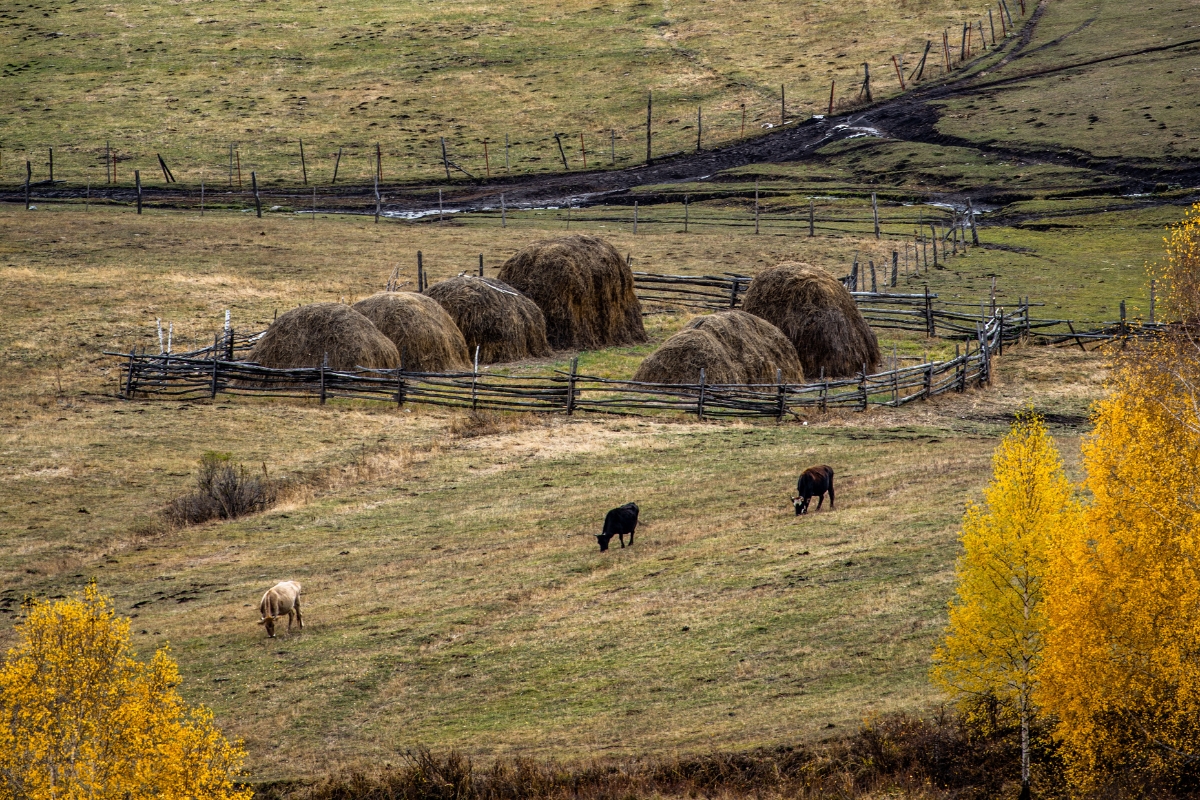
Feed shortages remain one of the biggest challenges facing livestock farmers, particularly in regions affected by drought, erratic rainfall, and shrinking grazing lands. During dry periods, the availability of green fodder declines sharply, forcing farmers to purchase expensive feed or reduce herd sizes. In severe situations, many livestock owners are compelled to sell animals because they can no longer afford to maintain them.
To address this challenge, several rural communities are establishing fodder banks that store feed reserves for use during emergencies. These banks function much like grain reserves, except they focus on preserving fodder resources such as hay, silage, crop residues, and fodder grasses.
Researchers believe community fodder banks can play an important role in strengthening livestock resilience as climate variability increases across agricultural regions.
The health and productivity of livestock depend heavily on consistent feed supplies. Dairy animals require adequate nutrition for milk production, while meat animals depend on quality feed for growth and weight gain. Interruptions in feed availability can quickly affect farm income.
Fodder banks help reduce this risk by ensuring that reserves are available when natural forage becomes scarce. Farmers gain access to stored feed during droughts, delayed monsoons, or other periods of shortage.
Livestock experts frequently note that feed security is just as important as water security for maintaining animal productivity.
Droughts Are Increasing Pressure on Farmers
Climate change is contributing to more frequent weather extremes in many regions. Droughts, prolonged dry spells, and irregular rainfall patterns often reduce fodder production and affect grazing resources.
When shortages occur, feed prices can rise rapidly. Small livestock farmers are usually the most affected because they have limited capacity to store large quantities of fodder independently. Community-based fodder banks provide a collective solution that spreads costs and improves preparedness.
Researchers studying climate adaptation increasingly identify feed reserves as a key component of livestock resilience strategies.
Many agricultural residues that were once considered waste can be stored and used as livestock feed. Straw, maize stalks, sorghum residues, and other crop by-products often form the foundation of community fodder banks.
Proper collection, storage, and preservation help improve feed availability throughout the year. This approach also reduces waste and strengthens links between crop farming and livestock production.
Agricultural scientists frequently emphasise that integrated farming systems can improve resource efficiency while reducing production risks.
Many fodder banks are adopting silage production to preserve green fodder for future use. Silage allows farmers to store nutritious forage under controlled conditions for extended periods without major quality losses.
This technique is becoming increasingly important because it helps maintain feed quality during periods when fresh fodder is unavailable. Researchers note that silage can significantly improve livestock nutrition compared with relying solely on low-quality dry feed during shortages.
The growing use of silage is helping modernise feed management in many rural communities.
Collective Action Reduces Costs
Individual farmers often struggle to invest in large storage facilities or feed reserves. Community fodder banks reduce these barriers by allowing groups of farmers to share infrastructure, storage costs, and management responsibilities.
This collective model improves efficiency and ensures that benefits reach a larger number of households. Development experts frequently point out that community-managed resources often provide stronger resilience than isolated efforts during times of crisis.
The approach also encourages cooperation among livestock producers facing similar challenges.
Livestock farming is becoming increasingly vulnerable to climate-related disruptions. Feed shortages can undermine years of investment in animal health and herd development if farmers are not prepared for difficult seasons.
Community fodder banks provide a practical solution by creating reserves that can be accessed when conditions deteriorate. They help protect livestock assets, stabilise production, and reduce economic losses during emergencies.
As climate variability continues to affect agriculture, feed security will become an increasingly important part of livestock management.
Across rural communities, fodder banks are demonstrating that preparing for drought begins long before the dry season arrives. By storing feed when it is abundant, farmers are protecting their animals when resources become scarce.
Also Read: Punarnava Jal – The world’s first organic fertilizer! Know how it is beneficial for farmers?
Contact us – If farmers want to share any valuable information or experiences related to farming, they can connect with us via phone or whatsapp at 9599273766 or you can write to us at “kisanofindia.mail@gmail.com”. Through Kisan of India, we will convey your message to the people, because we believe that if the farmers are advanced then the country is happy.
You can connect with Kisan of India on Facebook, Twitter, and Whatsapp and Subscribe to our YouTube channel.