



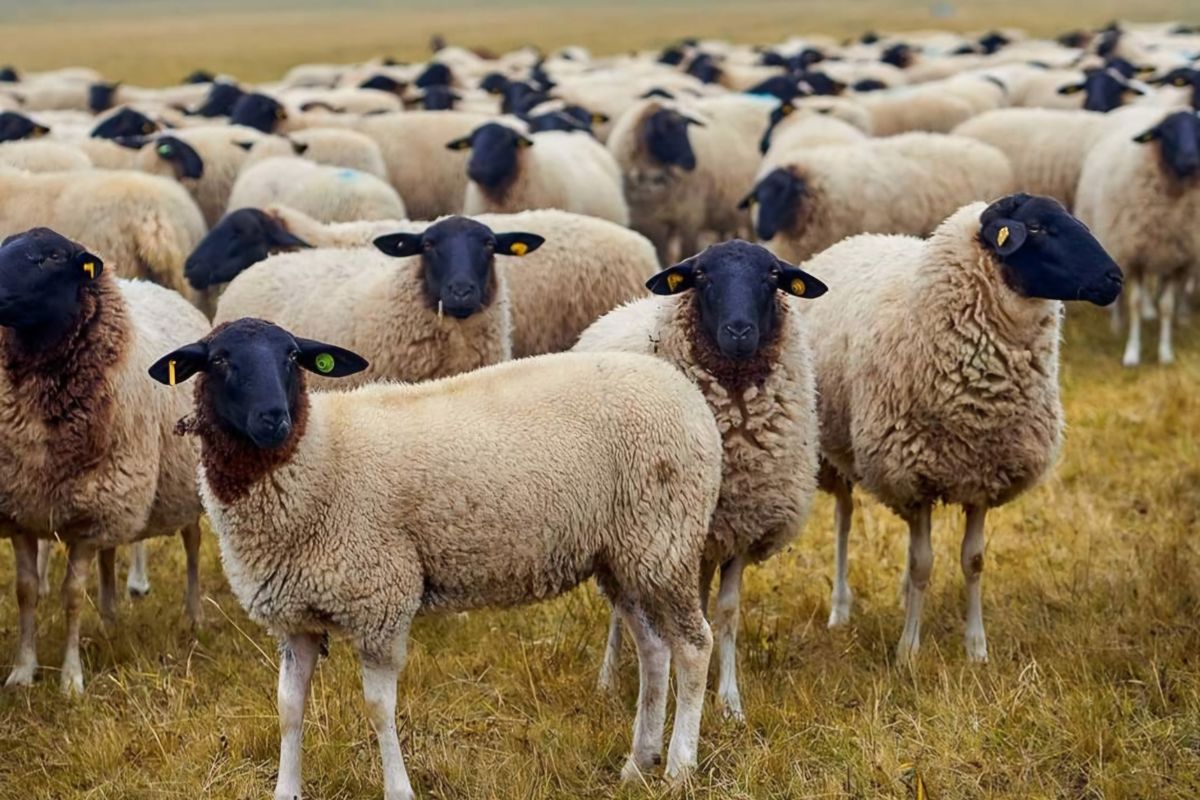
Goat and sheep farming can provide an additional source of income for rural households, particularly where land and water resources limit large-scale dairy farming. But poor feeding, disease, weak housing and irregular health care can reduce productivity and increase mortality.
ICAR-CRIDA’s Krishi Vigyan Kendra in Ranga Reddy conducted a five-day training programme on scientific small-ruminant production in September 2026. The programme covered housing, feeding, breeding, disease prevention, vaccination, deworming, biosecurity and general animal health.
The training highlighted sheep and goats as important livelihood animals because they provide meat, manure, employment and income. For farmers, better management does not always require expensive technology. Basic improvements in housing, nutrition and preventive health care can make a significant difference.
1. Keep Housing Dry and Clean
Goat and sheep sheds should protect animals from rain, cold winds, excessive heat and damp conditions. A poorly ventilated or wet shed can increase disease pressure and make animals uncomfortable.
Farmers should keep the floor as dry as possible and remove manure regularly. Proper ventilation is also important because stagnant air can increase moisture and unpleasant gases inside the shed.
Housing should provide enough space for animals to move, rest and feed without overcrowding. New or sick animals should be separated when necessary to reduce the risk of spreading disease.
The design should also suit the local climate. In areas receiving heavy rainfall, farmers need good drainage around the shed. In colder regions, protection from cold winds becomes more important.
2. Give Animals Better Feed
Feed is one of the biggest factors affecting growth, reproduction and health. Farmers should provide a combination of green fodder, dry fodder and suitable concentrates according to the age and production stage of the animals.
ICAR’s small-ruminant training specifically highlighted fodder crops and nutrition as important parts of goat and sheep management. Farmers were encouraged to use KVK services to improve feeding practices.
Clean drinking water should remain available throughout the day. Water requirements vary with weather, feed and animal condition, so farmers should not rely on a fixed quantity for every animal.
Mineral supplementation can also be important where the local feed supply does not provide adequate minerals. Farmers should seek veterinary or KVK advice before adding supplements rather than using products at random.
3. Follow a Vaccination Schedule
Vaccination is a preventive measure, not a treatment for an animal that is already seriously ill. Farmers should maintain a vaccination schedule based on diseases common in their area and advice from the local veterinary department.
Vaccination requirements can vary by region and species. Farmers should therefore follow the schedule provided by their veterinarian or animal husbandry department rather than copying a programme from another state.
Keeping vaccination records is useful. Farmers should record the animal, vaccine, date and next due date. This becomes especially important when managing larger flocks.
Good vaccination coverage can reduce the risk of serious disease outbreaks, but it does not eliminate the need for hygiene, nutrition and other preventive measures.
4. Do Not Ignore Deworming
Internal parasites can affect weight gain, feed utilisation and overall animal health. Young animals may be particularly vulnerable when parasite burdens are high.
Deworming should not be done randomly or too frequently. Farmers should follow veterinary advice based on local parasite conditions, animal age and management system.
Regular observation is important. Poor growth, weight loss, diarrhoea, weakness or changes in appetite can indicate a health problem, although these signs can have several causes.
Farmers should consult a veterinarian when animals show persistent symptoms rather than repeatedly giving medicines without a confirmed diagnosis.
5. Improve Breeding Management
Breeding decisions influence the quality and productivity of the flock. Farmers should maintain basic records of breeding dates, kidding or lambing, offspring and health history.
Keeping records can help identify productive females and healthy offspring. It can also help farmers avoid repeated breeding of animals that consistently produce weak or unhealthy young ones.
ICAR is also expanding technical capacity for small-ruminant breeding. In 2026, ICAR-Central Sheep and Wool Research Institute began training veterinary and paraveterinary personnel in artificial insemination for sheep and goats in Rajasthan.
Small farmers do not necessarily need advanced reproductive technology. Good selection of breeding animals, proper nutrition and timely veterinary care can provide the foundation for a healthier flock.
6. Maintain Biosecurity
Biosecurity means reducing the chances of disease entering or spreading within a farm. Farmers should avoid bringing new animals directly into the flock without observing their health condition.
New animals can be kept separately for an appropriate period and examined by a veterinarian before mixing. Equipment, feeding areas and housing should also be kept clean.
Visitors, traders and other animals can sometimes introduce infections. Farmers should therefore limit unnecessary movement through animal sheds, particularly when disease is reported in nearby villages.
Good biosecurity becomes even more important as flock size increases. A disease outbreak in a larger flock can cause substantial economic losses through mortality, treatment expenses and reduced production.
Can Scientific Management Increase Income?
Better management can reduce avoidable losses and improve the productivity of animals, but farmers should not expect a fixed income increase from adopting individual practices.
ICAR describes small-ruminant production as a livelihood opportunity and has developed technologies covering health, breeding, feeding and marketing. Its research also includes low-cost balanced feed formulations and goat health and breeding calendars.
Farmers should calculate the cost of feed, medicines, labour, housing and breeding before expanding their flock. More animals do not automatically mean more profit if feed and health management cannot keep pace.
The practical approach is to improve the existing flock first. Clean housing, suitable feed, vaccination, parasite control, breeding records and biosecurity can provide a stronger foundation before farmers increase animal numbers.
Also Read: Punarnava Jal – The world’s first organic fertilizer! Know how it is beneficial for farmers?
Contact us – If farmers want to share any valuable information or experiences related to farming, they can connect with us via phone or whatsapp at 9599273766 or you can write to us at “kisanofindia.mail@gmail.com”. Through Kisan of India, we will convey your message to the people, because we believe that if the farmers are advanced then the country is happy.
You can connect with Kisan of India on Facebook, Twitter, and Whatsapp and Subscribe to our YouTube channel.