

Crop Residue Management: Can Farmers Turn Farm Waste Into a Resource?

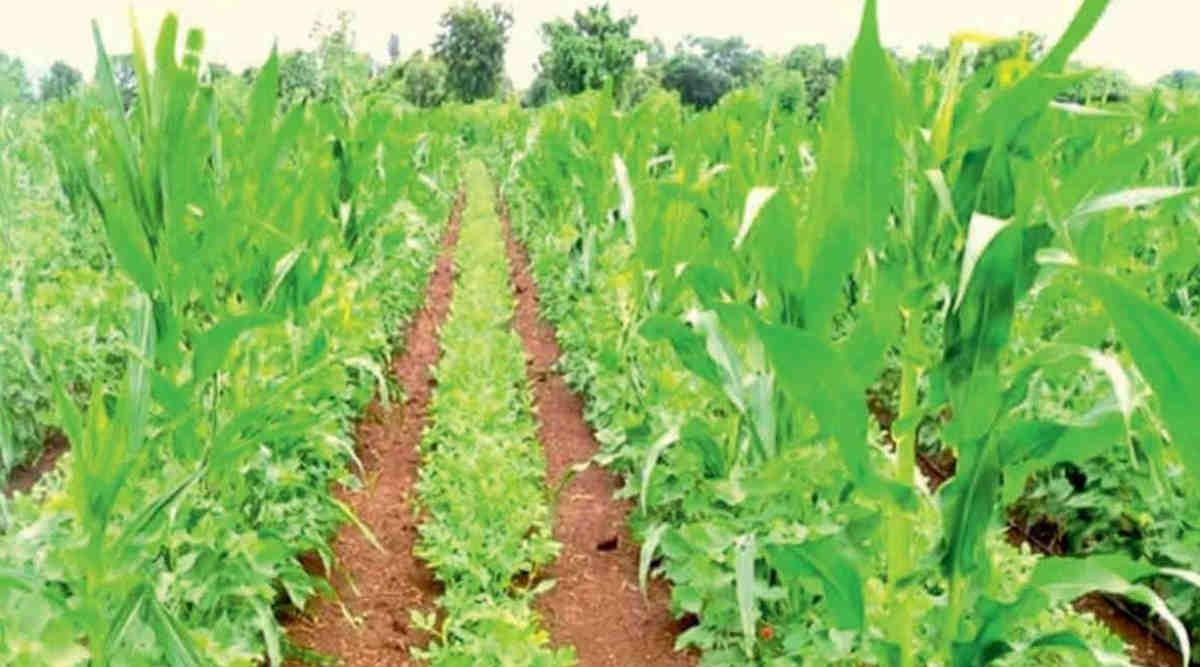
Crop residue is often treated as waste after harvest, but farmers can use it as a resource. A new ICAR workshop in Ludhiana on September 30, 2026 brought scientists, farmers, machinery providers and other stakeholders together to discuss practical ways to manage crop residue without burning.
Residue management matters most in rice-wheat areas, where a short gap between crops can make farmers choose quick disposal methods. ICAR says coordinated action is needed because residue management involves machinery, extension support, markets and field practices rather than one solution working everywhere.
Burning can quickly clear a field, but it removes a potentially useful material from the farm system. Residue handling should therefore be treated as part of crop planning, not only as a post-harvest problem. Farmers can decide before harvest whether residue will stay, be incorporated, fed or collected.
Farmers Can Keep Residue On The Field
Farmers can first consider retaining suitable residue in the field. Crop residues can protect soil from direct sunlight, reduce evaporation and add organic matter as they decompose. ICAR training programmes have also promoted mulching and residue recycling as part of better soil and water management.
Another option is mechanical incorporation. Suitable machines can chop and mix residue with soil, allowing it to decompose before the next crop. The choice depends on crop, soil condition, available time and machinery. Farmers should follow local agricultural university or KVK advice before selecting equipment.
Custom Hiring Centres can help farmers who cannot afford residue-management machines. These centres provide access to farm machinery on a rental basis. ICAR has highlighted stronger access through CHCs as part of the wider approach to crop residue management, especially where individual machine ownership is difficult.
Before hiring machinery, farmers should compare the rental charge with the quantity of residue and the area to be covered. Group hiring through farmer organisations or nearby farmers may lower transport and machine costs. KVKs and extension workers can also help identify suitable machines for local conditions.
Residue Can Have Other Uses
Residue can also move out of the field for useful purposes. ICAR has identified ex-situ options that include collection, transport and use of crop residues for products and energy. Such models need reliable buyers, transport and local processing facilities, so farmers should check demand before collecting large quantities.
Livestock can provide another route for some crop residues. Straw from suitable crops can be used as animal feed after proper treatment and balancing with other feed ingredients. Farmers should not assume every residue is suitable for direct feeding, and livestock nutrition advice is important before changing an animal’s ration.
ICAR’s recent workshop in Punjab called for coordination among policymakers, scientists, extension agencies, farmers, farmer organisations, machinery manufacturers, CHCs, service providers and industry. This matters because farmers need a complete chain, from residue collection and machinery access to transport and an assured end use.
Better Residue Use Can Support Soil Health
Residue management can also support soil health when plant material is returned to the field. ICAR-CRIDA has urged farmers to recycle crop residues and use organic materials alongside soil testing and balanced fertiliser use. The aim is to reduce waste while improving nutrient management and soil condition.
Farmers should avoid choosing a residue practice only because it is popular nearby. Soil type, crop sequence, residue quantity, available labour, machinery cost and the next sowing date all matter. A method that works in one district may not suit another, so field-specific advice remains important.
Residue management also fits into broader resource planning for Indian agriculture. ICAR has recently stressed that crop planning should match local agro-climatic conditions and natural resources. Farmers can combine residue recycling, crop diversification, soil testing and water-saving practices to make farm decisions more suitable to local conditions.
Plan Before Harvest
For farmers preparing for the next crop, the practical lesson is to plan residue management before harvest begins. Check machinery availability, identify possible uses, contact a nearby CHC or KVK and estimate collection costs. Early planning can reduce last-minute pressure and give farmers more options than burning.
The September 30 workshop in Ludhiana shows that residue management is moving towards a wider farm-resource approach. For farmers, the choice is not simply between burning and leaving residue untouched. Several options exist, but the right method depends on local crops, costs, equipment and available markets.
Also Read: Punarnava Jal – The world’s first organic fertilizer! Know how it is beneficial for farmers?
Contact us – If farmers want to share any valuable information or experiences related to farming, they can connect with us via phone or whatsapp at 9599273766 or you can write to us at “kisanofindia.mail@gmail.com”. Through Kisan of India, we will convey your message to the people, because we believe that if the farmers are advanced then the country is happy.
You can connect with Kisan of India on Facebook, Twitter, and Whatsapp and Subscribe to our YouTube channel.