

Cut Flower Business: 7 Steps Farmers Can Follow to Build a Profitable Floriculture Enterprise

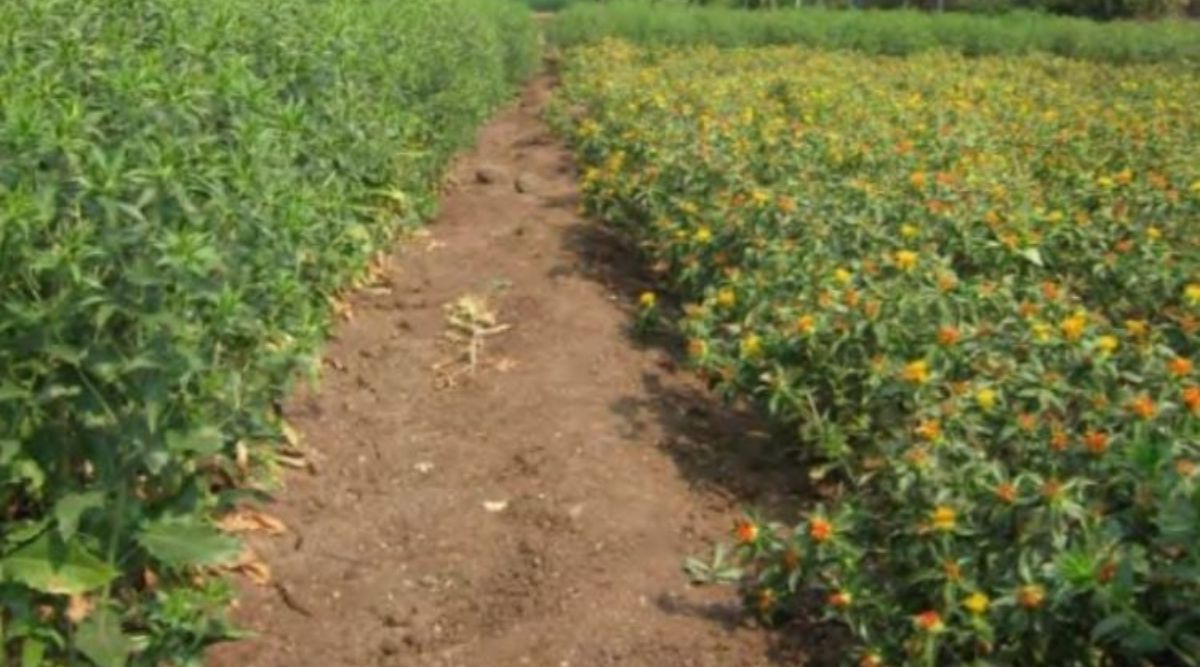
Flowers are becoming a commercial farm enterprise rather than only a traditional crop. ICAR-IARI said in February 2026 that India’s flower cultivation covered nearly 2.9 lakh hectares and generated about ₹15,000 crore annually, showing the scale of the sector and its potential for farmers.
A farmer entering floriculture needs to think beyond cultivation. Variety selection, planting material, harvest timing, grading, packaging, transport and market access all affect returns. A small plot can work when production is linked to nearby buyers, florists, decorators, retailers, wholesalers or direct consumers.
1. Choose Flowers Based on Your Market
Farmers should first identify which flowers have regular demand in their area. Chrysanthemum, gladiolus, marigold, rose and other flowers have different production cycles, prices and market requirements. Local demand from weddings, festivals, temples, hotels and florists can influence which crop makes commercial sense.
ICAR’s Directorate of Floricultural Research released three improved chrysanthemum varieties and one gladiolus variety in October 2026. The varieties were developed to provide improved planting material and create opportunities for higher productivity and farm income. Farmers should check regional recommendations before selecting any new variety.
2. Start With a Small Area
Farmers entering floriculture do not necessarily need to convert their entire holding immediately. Starting with a manageable area allows them to understand production costs, labour requirements, pest problems and local demand before making a larger investment.
A small commercial plot can also help farmers test different buyers. They can compare prices offered by wholesalers, florists, decorators and direct customers. Keeping records of seed or planting material, labour, irrigation, fertilisers, plant protection, harvesting and transport costs is important before expanding.
3. Buy Quality Planting Material
The quality of planting material can influence uniformity, flowering time and marketable output. Farmers should purchase seed, bulbs, corms or other planting material from reliable sources and confirm the variety before planting. Poor-quality material can produce uneven crops that are harder to market.
ICAR’s recent floriculture research is focused partly on improved planting material. The four varieties released by ICAR-DFR in October 2026 included DFR Pallavi, DFR Swarna and DFR Megha in chrysanthemum and DFR Soham in gladiolus.
4. Plan Harvesting Around Demand
Flowers are highly perishable, so harvesting should be linked to the expected market. Farmers should understand the preferred stage for each flower and buyer. Some markets may want tight buds, while others may prefer partially open or fully developed flowers.
Harvesting during cooler parts of the day can help reduce heat stress before flowers reach buyers. Farmers should handle stems carefully and remove damaged material during grading. Clean containers and quick movement from field to market can help protect quality during the selling process.
5. Reduce Post-Harvest Losses
Post-harvest handling can determine whether flowers reach customers in saleable condition. Farmers should protect harvested flowers from direct sun, excessive heat and rough handling. Sorting and grading should happen quickly, with damaged or poor-quality flowers separated from marketable produce.
ICAR-DFR released DFR Phool Shakti in October 2026, a technology designed to enhance the vase life of cut flowers. Longer vase life can improve marketability by giving flowers more time to reach buyers and remain attractive after sale.
6. Add Value Instead of Selling Everything Fresh
Farmers can explore value addition when fresh flower prices are weak or when production exceeds immediate demand. Depending on the flower, possible activities include bouquets, floral arrangements, decorative products, dried flowers and other market-oriented products.
ICAR’s October 2026 release also included DFR Khushbu, a product using essential oils from ornamental basil as a car or room freshener. It shows how ornamental crops can create opportunities beyond selling fresh flowers directly from the farm.
7. Build Several Sales Channels
A farmer should avoid depending entirely on one buyer when possible. Local florists, event decorators, flower markets, retailers, hotels, temples, institutional buyers and direct customers can provide different sales opportunities. Each channel may have different requirements for quantity, quality, packaging and delivery.
Farmers can also work collectively through farmer groups or FPOs. Collective marketing can help producers aggregate flowers, negotiate with larger buyers and share transport costs. ICAR’s floriculture programmes have highlighted the importance of market linkages alongside improved production technologies.
Floriculture Needs Careful Cost Planning
Flower farming can generate good returns, but high prices should not be treated as guaranteed income. Farmers need to calculate the expected cost of planting material, labour, irrigation, nutrients, crop protection, harvesting, packaging and transport before planting.
Market prices can change quickly around festivals and wedding seasons. Farmers should therefore estimate income using conservative prices rather than the highest recent market rate. Comparing expected revenue with total production and marketing costs can show whether a flower crop is financially suitable.
Farmers Can Learn Before Investing
Farmers interested in commercial floriculture can approach nearby Krishi Vigyan Kendras, horticulture departments, agricultural universities and ICAR institutes for technical guidance. Training programmes can provide information about varieties, planting schedules, protected cultivation, post-harvest handling and marketing.
ICAR’s floriculture training programmes in 2026 have covered commercial flower cultivation, post-harvest management, value addition and organic nutrient management. Such training can help farmers understand the business before committing a large area or purchasing specialised infrastructure.
Small Farms Can Explore Flower Enterprises
Floriculture can fit farmers who have limited land but access to reliable markets and suitable growing conditions. The business works best when cultivation is planned alongside harvesting, grading, transport and sales rather than treating marketing as an activity that begins after harvest.
ICAR-IARI has described flower farming and landscaping as growing commercial opportunities in rural India. Its February 2026 field day also showcased roses and marigolds while highlighting scientific production methods and farmer prosperity.
A cut flower business can offer farmers another source of farm income when production is matched with local demand. The key decisions are choosing the right flower, starting at a manageable scale, buying quality planting material, reducing post-harvest losses and developing reliable buyers.
New varieties and post-harvest technologies can create additional opportunities, but farmers should test them under local conditions before expanding. Good records, market planning and technical guidance can help turn a small flower plot into a more organised farm enterprise.
Also Read: Punarnava Jal – The world’s first organic fertilizer! Know how it is beneficial for farmers?
Contact us – If farmers want to share any valuable information or experiences related to farming, they can connect with us via phone or whatsapp at 9599273766 or you can write to us at “kisanofindia.mail@gmail.com”. Through Kisan of India, we will convey your message to the people, because we believe that if the farmers are advanced then the country is happy.
You can connect with Kisan of India on Facebook, Twitter, and Whatsapp and Subscribe to our YouTube channel.