

Namo Drone Didi: 7 Ways Women SHGs Can Use the Scheme to Build Farm-Service Businesses
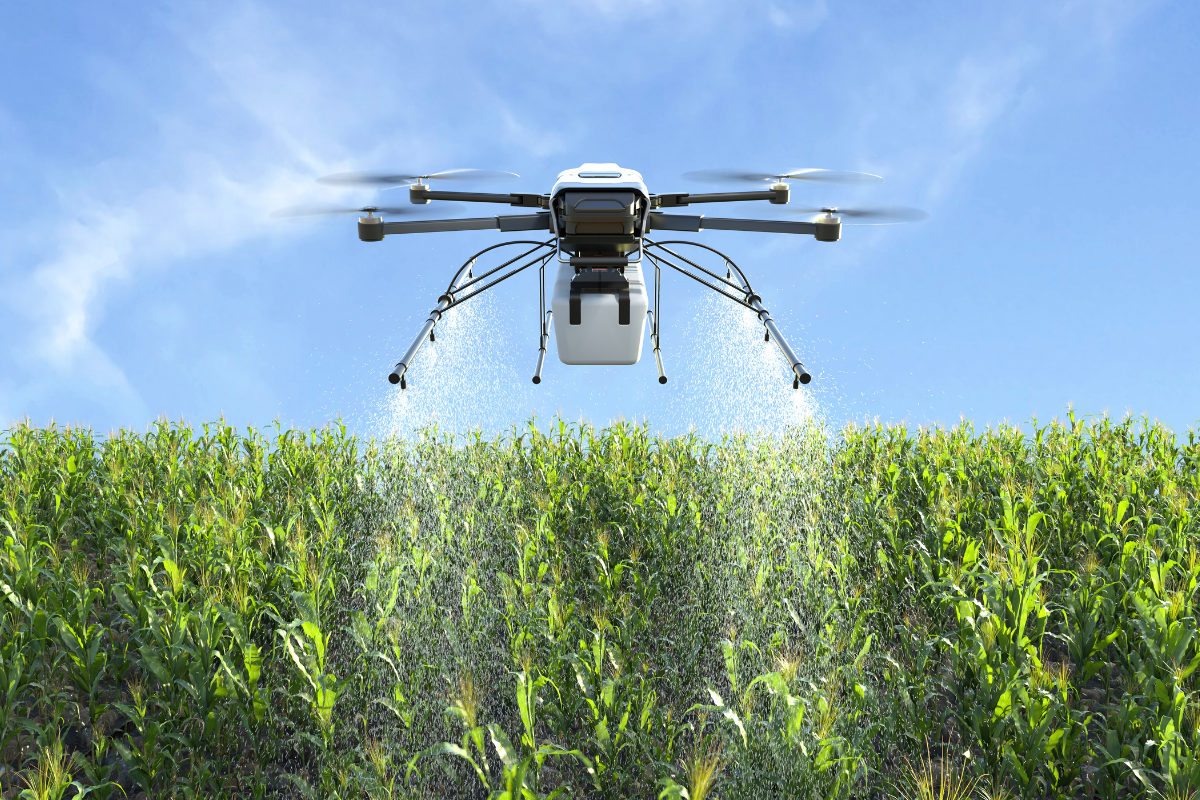
The Namo Drone Didi scheme is designed to help selected women Self-Help Groups use drones for agricultural services. The Central Sector scheme has an outlay of ₹1,261 crore and aims to provide 15,000 drones to women SHGs for rental services to farmers.
The scheme combines financial support, drone equipment and training. Selected SHGs receive 80% Central Financial Assistance on the drone package, up to ₹8 lakh. The package also includes training for operating drones and using them for agricultural applications such as spraying liquid fertilisers and pesticides.
1. Women SHGs Can Become Drone Service Providers
The scheme is not designed simply to give drones to individual farmers. Selected women SHGs can use the equipment to provide agricultural services to farmers in their surrounding areas. This creates an opportunity for groups to develop a service-based activity alongside their existing livelihood work.
The government says the scheme aims to create sustainable income opportunities for women SHGs through drone rental services. Farmers can access drone-based spraying without purchasing their own equipment, while the SHG can earn from providing the service to multiple farms.
2. The Government Covers Most of the Drone Cost
The Central Government provides 80% financial assistance on the approved drone package, subject to a maximum support of ₹8 lakh. The remaining amount can be financed through available credit arrangements, including loans under the Agriculture Infrastructure Fund with interest support.
This support reduces the initial investment required from selected SHGs. The scheme package includes the drone and spray assembly along with batteries, chargers, equipment and other components. Farmers and SHGs should still understand operating, maintenance and service costs before starting commercial drone operations.
3. One SHG Member Receives Pilot Training
Drone operation requires technical training and cannot be treated like ordinary farm equipment. Under the scheme, one selected SHG member receives 15 days of training that includes drone-pilot training and agricultural applications. Another member can receive training as a drone assistant.
The training is conducted through Remote Pilot Training Organisations authorised by the Directorate General of Civil Aviation. Government data reported 274 approved training organisations and 1,094 drones provided to selected SHGs under the programme. Training helps women operate the equipment while meeting required aviation and safety procedures.
4. SHGs Can Offer Spraying Services to Farmers
The initial agricultural use under the scheme focuses on spraying liquid fertilisers and pesticides. A trained SHG can provide this service to nearby farmers who need timely field application but do not want to purchase a drone themselves.
The government has said the drone package can help improve application and reduce operational costs. Farmers should still use only approved agricultural products and follow label directions. Drone spraying should complement proper pest identification and crop management rather than encourage unnecessary chemical application.
5. Groups Can Serve Several Farms
A drone becomes more useful when it is operated across several farms instead of remaining idle after one operation. SHGs can coordinate bookings with farmers in nearby villages and plan work according to crop stage, weather and field conditions.
Government studies found that agricultural drones can cover an acre in about seven to eight minutes, though actual field capacity depends on the crop, spray requirement, battery changes, field layout and operating conditions. SHGs should calculate their local service capacity before promising specific delivery times.
6. SHGs Need to Plan the Business
Receiving a drone does not automatically create a profitable enterprise. SHGs need to calculate service charges, battery use, transportation, maintenance, insurance, repairs and operator time. They should also estimate how many farmers they can serve during peak spraying periods.
A 2025 government-reported study found transportation was a challenge for some Drone Didis where utility vehicles were not provided with the drones. This shows why access to transport and local service planning matters when SHGs develop a drone-based agricultural business.
7. Farmers Can Access the Service Without Buying a Drone
For small and marginal farmers, purchasing a drone may not be practical. Hiring a trained SHG can give them access to drone-based spraying when required, without the cost of ownership, storage, maintenance and pilot training.
The government has positioned Namo Drone Didi as a service model that connects women SHGs with farmers. The arrangement can support both sides when SHGs have enough local demand and farmers receive reliable services at charges that are affordable compared with alternative spraying methods.
How Can Women SHGs Participate?
The scheme is targeted at selected women SHGs promoted under the DAY-NRLM framework. Selection involves state-level planning, identification of suitable clusters and choosing SHGs whose members can receive drone-pilot and assistant training. Interested groups should approach their state rural-development or agriculture authorities for information.
The government allocated 134 drones to Jammu and Kashmir under the broader allocation of 14,500 drones, according to information released in 2025. The state-wise figures show that the scheme also includes women SHGs in the Union Territory.
An SHG should first assess how many farmers nearby could use drone services and which crops dominate the area. It should also check transport, battery charging, maintenance support, trained operators, insurance and local demand before beginning operations.
The group should maintain records of every service, including farmer name, acreage, crop, product applied, operating time, service charge and expenses. These records can show whether the activity is generating income and help the group identify the months when demand is highest.
Namo Drone Didi Can Link Technology With Rural Women’s Income
The scheme is different from simply promoting agricultural drones. It places the equipment with women SHGs and creates a service model in which farmers can hire them. By February 2026, the government said 1,094 drones had been distributed to women SHGs, including 500 under the scheme.
For farmers, the model can provide access to a specialised service without owning expensive equipment. For women SHGs, it can create another source of income if local demand is strong. The success of each group will depend on training, transport, maintenance, pricing and the ability to keep the drone in regular use.
Namo Drone Didi combines agricultural mechanisation with an income opportunity for rural women. Selected SHGs receive financial assistance, drones and training so they can provide spraying services to farmers. The model can work particularly well where many nearby farmers need timely spraying but individual ownership is too costly.
Women SHGs interested in the scheme should first understand the eligibility and selection process in their state. They should also prepare a simple business plan covering demand, operating costs, transport, maintenance and service charges. A drone becomes an income-generating asset only when it is used regularly and managed as a business.
Also Read: Punarnava Jal – The world’s first organic fertilizer! Know how it is beneficial for farmers?
Contact us – If farmers want to share any valuable information or experiences related to farming, they can connect with us via phone or whatsapp at 9599273766 or you can write to us at “kisanofindia.mail@gmail.com”. Through Kisan of India, we will convey your message to the people, because we believe that if the farmers are advanced then the country is happy.
You can connect with Kisan of India on Facebook, Twitter, and Whatsapp and Subscribe to our YouTube channel.