



Farmers do not always have to sell agricultural produce in its raw form. Processing can create another income stream from the same crop. ICAR has identified post-harvest processing, value addition and rural entrepreneurship as important areas for agricultural development, including technologies for small and farm-level enterprises.
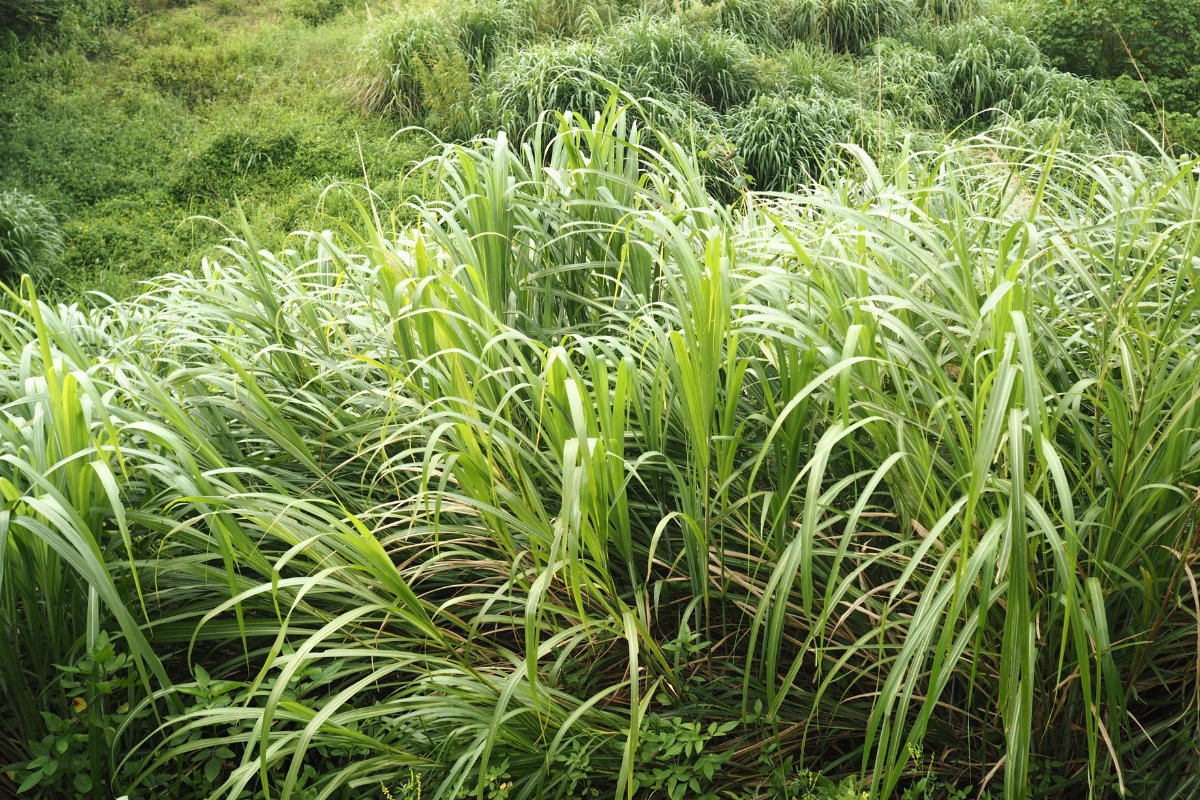
Lemongrass is one crop that can be linked with such processing. Its leaves and biomass can be distilled to produce essential oil used in fragrance, cosmetics and other industries. In a 2026 ICAR-documented FPO model, farmers cultivated the Pragati variety and processed the biomass through a 500-litre steam distillation unit.
7 Steps to Start the Business
1. Check whether lemongrass suits your farm
Farmers should first check soil, rainfall, temperature, water availability and local market demand before planting lemongrass. The crop should not be selected simply because another farmer is earning from it. A local KVK or agriculture department can help assess whether the crop suits the area.
Farmers should also identify buyers before expanding cultivation. Possible customers include essential-oil traders, processors, cosmetic manufacturers and fragrance businesses. A written understanding about quality requirements and expected quantities can reduce the risk of producing oil without a dependable market.
2. Select suitable planting material
Farmers should obtain planting material from a reliable agricultural source and select varieties recommended for their region. ICAR’s documented FPO example used Pragati, also identified as LS48, for commercial lemongrass cultivation. The choice of variety can influence biomass production and the quantity and quality of oil obtained.
Before planting a large area, farmers can establish a smaller demonstration plot. This allows them to observe crop growth, harvesting requirements and local market conditions. Records from the trial can help determine whether expanding the enterprise is financially sensible.
3. Plan the distillation unit
Steam distillation is used to extract oil from harvested lemongrass biomass. Farmers should calculate the quantity of crop available before purchasing equipment. A unit that is too large may remain underused, while an undersized unit can create delays during peak harvest periods.
ICAR’s 2026 example used a 500-litre direct steam distillation unit, with each batch taking about 3.5 to 4 hours. The reported oil recovery was 0.4%, equal to about 4 kg of oil from one tonne of fresh biomass.
4. Calculate the full business cost
Farmers should calculate land preparation, planting material, labour, irrigation, harvesting, transport, fuel, electricity, packaging, equipment maintenance and marketing costs before investing. Separating crop production costs from processing costs makes it easier to understand the actual profitability of the enterprise.
The ICAR-documented FPO model reported gross income of ₹1.56 lakh per hectare, total cost of ₹50,178 and net returns of ₹1.06 lakh per hectare from its lemongrass enterprise. Farmers should treat these figures as a reference, not a guaranteed return for every location.
5. Maintain oil quality
Oil quality can affect its market value, so farmers should maintain clean harvesting, transport and processing practices. The distillation equipment should be cleaned properly between batches, and the finished oil should be stored in suitable containers that protect it from heat, light and contamination.
The ICAR example reported that the lemongrass oil contained 74–78% citral and met international standards. Such quality depends on crop material, processing and storage conditions. Farmers should test their product through appropriate laboratories before making quality claims to buyers.
6. Find markets beyond raw oil sales
Farmers can explore different routes for selling essential oil, including traders, processors, cosmetic manufacturers and organised farmer groups. An FPO can help combine produce from several farmers, improve bargaining power and support shared processing infrastructure.
ICAR has highlighted FPOs as a route for collective production, value addition and enterprise development. Its recent work with technology-enabled FPOs shows how farmers can move beyond raw commodity sales by combining production with processing and market access.
7. Expand only after testing the market
Farmers should avoid investing heavily in processing equipment before establishing reliable demand. A small pilot can reveal whether the crop yields enough biomass, whether the distillation unit operates economically and whether buyers accept the resulting oil.
Training is another important step before expansion. ICAR identifies entrepreneurship development and technology transfer as part of its agricultural research mandate, while its agro-processing programmes provide technology demonstration and capacity building for farmers and entrepreneurs.
Processing Can Add Value to Farm Produce
ICAR says post-harvest losses remain a major challenge and supports technologies for processing, preservation, storage and value addition. Its Central Institute of Agricultural Engineering has developed and demonstrated technologies ranging from oil extraction to fruit and vegetable processing, with the aim of improving returns and reducing losses.
For small farmers, the main lesson is not to buy machinery first and search for a market later. The business should begin with a clear crop plan, available biomass, processing capacity, quality requirements and identified buyers. Collective investment through an FPO can also reduce the burden on individual farmers.
Lemongrass oil can become a farm-based business where local growing conditions, processing capacity and market demand support it. Farmers should begin with a small pilot, maintain quality records, calculate every cost and expand only after establishing dependable buyers.
Also Read: Punarnava Jal – The world’s first organic fertilizer! Know how it is beneficial for farmers?
Contact us – If farmers want to share any valuable information or experiences related to farming, they can connect with us via phone or whatsapp at 9599273766 or you can write to us at “kisanofindia.mail@gmail.com”. Through Kisan of India, we will convey your message to the people, because we believe that if the farmers are advanced then the country is happy.
You can connect with Kisan of India on Facebook, Twitter, and Whatsapp and Subscribe to our YouTube channel.
