

ICAR Seed-Coating Method Boosts Groundnut Yields: What Farmers Need to Know

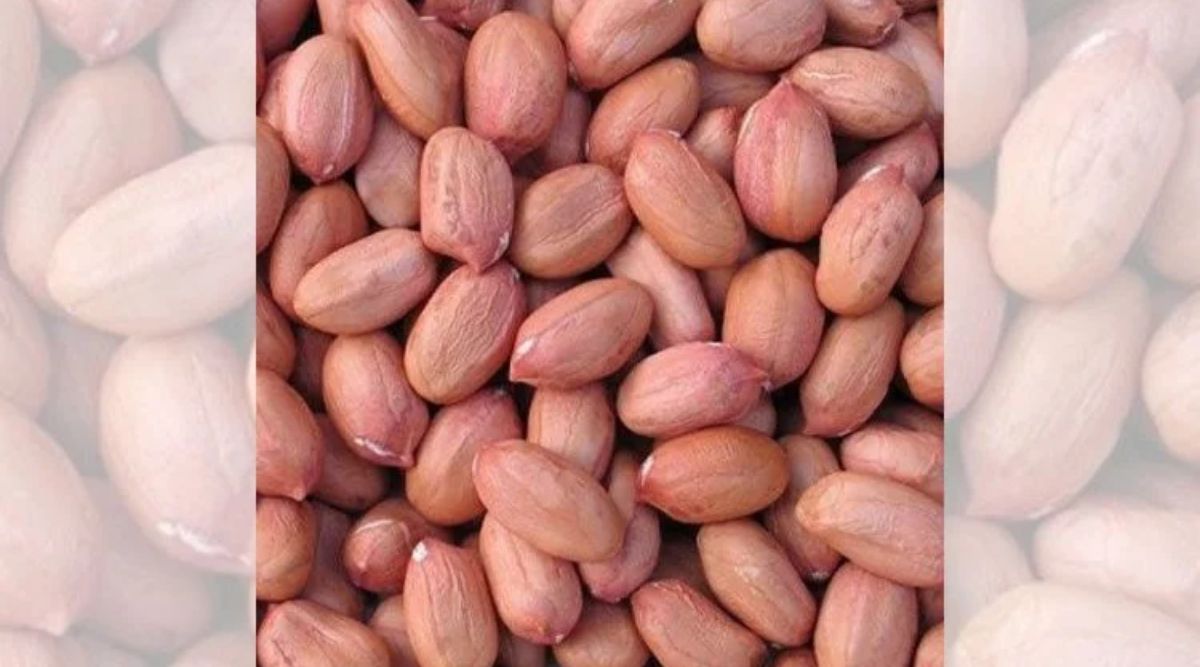
A new seed-coating approach developed by ICAR scientists has shown promise in improving groundnut production in Telangana. The intervention was designed to address poor crop establishment, seed- and soil-borne diseases and inefficient use of farm inputs, problems that can reduce yields in rainfed and semi-irrigated areas.
The work was reported by ICAR’s Indian Institute of Oilseeds Research, Hyderabad. Scientists focused on improving the way seed-treatment inputs are delivered to groundnut seed before sowing, with the aim of producing more uniform crop establishment and better use of beneficial biological agents.
Groundnut establishment can suffer when seeds have poor quality, encounter soil-borne pathogens or receive uneven treatment. These early problems can create gaps in the crop stand and affect the plant population available to produce pods.
Conventional seed treatment often involves applying chemical products in a single step. ICAR-IIOR reported that this can result in uneven distribution of inputs and may create compatibility problems when biological agents are used along with chemical treatments.
The new approach aims to improve the delivery of different inputs to the seed. Instead of treating seed simply as a carrier for one product, the intervention focuses on coating technology that can help place treatment materials more consistently around the seed.
What ICAR Scientists Found
According to ICAR-IIOR, the seed-coating intervention improved seedling establishment and helped address some of the production problems faced by groundnut farmers. The institute reported improvements in crop performance and farmer income following field-level adoption of the approach.
The work is particularly relevant to rainfed and semi-irrigated farming areas, where farmers have fewer options to recover from poor establishment after sowing. A stronger plant stand at the beginning of the season can help farmers make better use of available land and moisture.
One concern with combining several seed-treatment products is whether the materials remain compatible. Chemical treatments can affect beneficial microorganisms if they are mixed or applied incorrectly.
ICAR-IIOR’s work specifically addresses this problem by improving the delivery of treatment inputs through seed coating. The approach is intended to make the use of biological agents more effective while avoiding the uneven application associated with some conventional treatment methods.
This does not mean farmers should mix seed-treatment products themselves. Compatibility depends on the specific product and application method. Farmers should follow recommendations from agricultural scientists, seed suppliers or local extension officials before using biological or chemical treatments together.
What It Could Mean for Farmers
For farmers, better seed treatment could mean fewer gaps after germination and a more uniform crop. This is important because poor establishment can force farmers to spend additional labour on gap filling or accept a lower plant population.
The economic benefit also depends on the cost of the treatment and the yield improvement achieved under local conditions. Farmers should not assume that a research result will produce the same return on every farm. Soil, rainfall, variety and crop-management practices can affect the final outcome.
New seed technologies cannot compensate for poor-quality seed or unsuitable sowing conditions. Farmers still need to select varieties recommended for their region, prepare the field properly and sow when soil moisture and temperature are suitable.
The new intervention should be viewed as one part of crop management rather than a standalone solution. Weed management, nutrient supply, moisture management and pest monitoring remain important for achieving the crop’s yield potential.
Groundnut is an important edible-oil crop in India, and improving productivity can contribute to domestic oilseed availability. Technologies that raise output without requiring farmers to bring additional land under cultivation can be particularly useful where land and water resources are constrained.
Seed treatment is also an attractive research area because it acts at the beginning of the production cycle. Improving establishment can potentially strengthen the crop before farmers have to spend heavily on later field operations.
What Farmers Should Do Now
Farmers should not attempt to reproduce the ICAR-IIOR method from incomplete information or online recipes. The reported research needs to be translated into crop- and region-specific recommendations before widespread farm use.
Farmers interested in the technology can contact their nearest Krishi Vigyan Kendra, agriculture department or ICAR-linked extension centre. They should ask whether the recommended seed-coating method or a validated version is available for their groundnut variety and growing region.
The ICAR-IIOR findings are encouraging, but farmers should distinguish between a research result and a universally proven farm practice. Technologies need testing across different soils, varieties, weather conditions and farming systems before farmers can expect similar results everywhere.
Field demonstrations can help farmers compare treated and untreated seed under local conditions. Such trials can also show whether the additional treatment cost is justified by better establishment, higher yield or reduced crop losses.
ICAR-IIOR’s new groundnut seed-coating intervention points to a different way of improving crop establishment. By focusing on more consistent delivery of seed-treatment inputs and better compatibility with beneficial biological agents, the approach could help address some early-season problems faced by groundnut farmers.
For farmers, the key message is to wait for locally validated recommendations rather than adopting an untested treatment combination. If the technology performs consistently across different farming conditions, it could become another tool for improving groundnut productivity and farm returns.
Also Read: Punarnava Jal – The world’s first organic fertilizer! Know how it is beneficial for farmers?
Contact us – If farmers want to share any valuable information or experiences related to farming, they can connect with us via phone or whatsapp at 9599273766 or you can write to us at “kisanofindia.mail@gmail.com”. Through Kisan of India, we will convey your message to the people, because we believe that if the farmers are advanced then the country is happy.
You can connect with Kisan of India on Facebook, Twitter, and Whatsapp and Subscribe to our YouTube channel.