



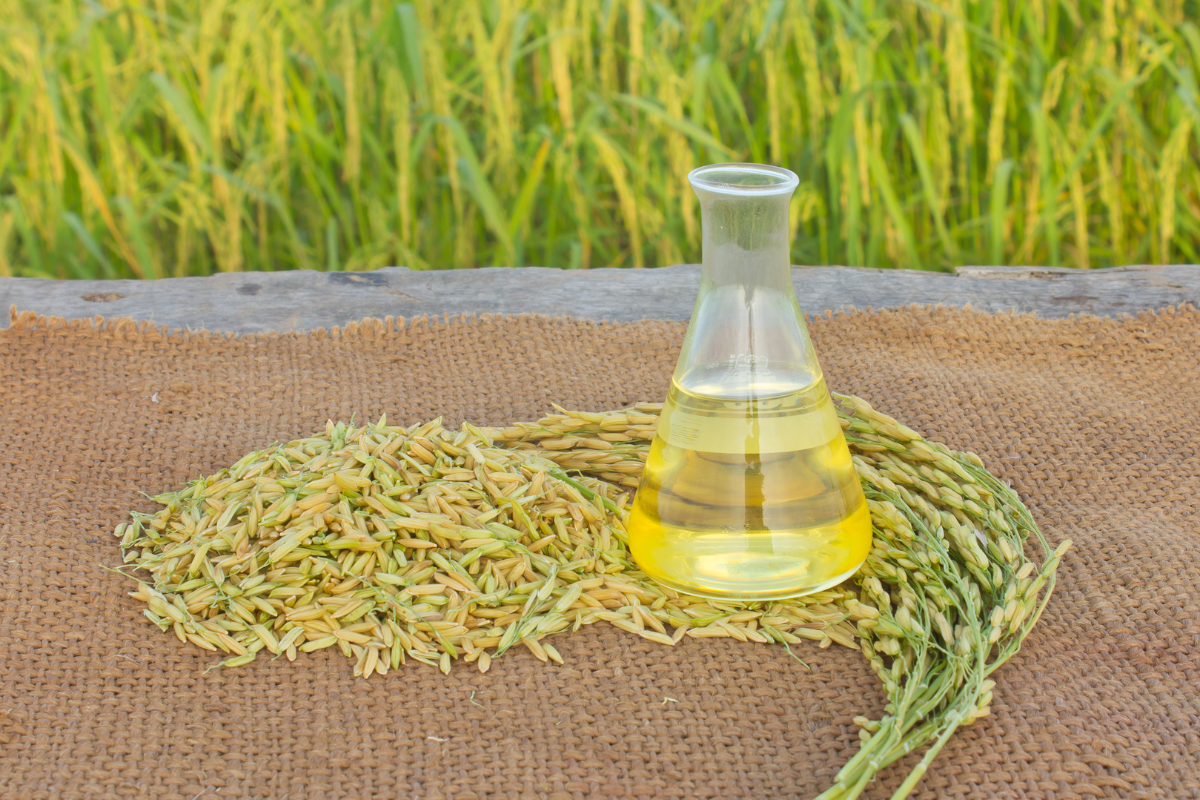
Farmers growing oilseeds often sell their produce immediately after harvest, leaving processing and marketing margins to other businesses. A small oil-extraction unit can offer another route by converting locally available oilseeds into a higher-value product for consumers.
Crops such as groundnut, sesame, mustard and sunflower can be processed into edible oil, depending on local production and market demand. The business should be planned around the oilseed available locally rather than buying expensive machinery first and searching for raw material later.
7 Steps to Start the Business
1. Identify the Right Oilseed
Farmers should first identify which oilseeds are consistently available in their area. A unit dependent on a crop that is produced only for a short period may remain underused for much of the year.
The choice should also consider local consumer demand. Some markets may prefer sesame or groundnut oil, while others may have stronger demand for mustard or sunflower oil. Talking to retailers and consumers before investing can help identify the most suitable product.
2. Calculate the Raw Material Requirement
An oil-extraction unit needs a reliable supply of clean, good-quality seed. Farmers should estimate how much seed can be sourced locally and how much oil the proposed equipment can process each day.
The business calculation should include seed purchase, transport, electricity, labour, packaging, maintenance and waste handling. Oil yield varies by crop, seed quality and machine, so farmers should use actual equipment specifications rather than assuming that every kilogram of seed produces the same quantity of oil.
3. Select Suitable Equipment
Small oil-expeller machines are available in different capacities. Farmers should select equipment according to expected production rather than choosing the largest machine they can afford.
Before purchasing, compare power requirements, extraction capacity, cleaning arrangements, spare-parts availability, warranty and after-sales service. Farmers should also understand what pre-processing the seed requires, such as cleaning, drying or grading, before it enters the expeller.
4. Maintain Food Safety
Edible-oil processing requires clean equipment, safe storage and proper handling. Seeds should be protected from moisture, pests, mould and contamination before processing.
The processing area should be kept clean and separate from chemicals, fuel and other farm materials. Workers should follow appropriate hygiene practices, while containers used for oil should be suitable for food contact.
5. Complete Required Registration
A farmer planning to sell packaged edible oil as a commercial food product should check the applicable food-safety, business and labelling requirements before starting sales. Requirements can depend on the scale and nature of the operation.
The Food Safety and Standards Authority of India regulates food businesses, including edible oils. Farmers should check the current requirements through FSSAI before investing in packaging or commercial production.
6. Build a Local Brand
A small processing unit can start with a local market instead of competing immediately with large national brands. Farmers can sell through local retailers, farmer groups, direct orders and other permitted channels.
The label should provide the information required under applicable regulations. Claims about health, purity or nutritional benefits should not be made casually. Product quality and transparent information are more useful for building repeat customers.
7. Use the Oil Cake
Oil extraction produces oil cake, which can become another saleable product depending on the seed and permitted use. Groundnut, mustard, sesame and other oil cakes have different characteristics and markets.
Farmers should identify buyers for the by-product before starting operations. Selling both oil and suitable by-products can improve the economics of the processing unit, but the product must be handled and marketed according to applicable regulations.
Start With a Market, Not a Machine
One of the biggest mistakes in small processing businesses is buying machinery before understanding demand. Farmers should first calculate how much oil they can realistically sell each week or month and identify potential customers.
A small pilot can help test the business. Farmers can process limited quantities, compare extraction costs, collect customer feedback and calculate the actual margin before expanding capacity.
FPOs can also consider shared oil-processing facilities where sufficient oilseed production exists. Collective ownership can spread the cost of machinery while allowing members to aggregate seed and market the finished product.
Every batch should be recorded with details of seed quantity, purchase price, oil produced, by-product recovered, electricity or fuel used, packaging costs and sales. These records help determine whether the business is actually profitable.
Farmers should also track rejected or damaged seed separately. Poor-quality raw material can reduce oil recovery and affect the final product. Good procurement is therefore as important as operating the expeller correctly.
The business can become more sustainable when farmers combine production and processing. Instead of selling oilseeds immediately after harvest, they can potentially capture value from extraction, packaging and direct marketing.
A cold-pressed oil unit can give farmers another route to add value to locally produced oilseeds. The opportunity depends on reliable raw material, suitable equipment, food safety, market demand and careful cost calculation.
Farmers should begin small, understand the applicable FSSAI requirements and test local demand before expanding. Processing can create an additional farm income stream, but only when the business is built around real supply and customers.
Also Read: Punarnava Jal – The world’s first organic fertilizer! Know how it is beneficial for farmers?
Contact us – If farmers want to share any valuable information or experiences related to farming, they can connect with us via phone or whatsapp at 9599273766 or you can write to us at “kisanofindia.mail@gmail.com”. Through Kisan of India, we will convey your message to the people, because we believe that if the farmers are advanced then the country is happy.
You can connect with Kisan of India on Facebook, Twitter, and Whatsapp and Subscribe to our YouTube channel.