



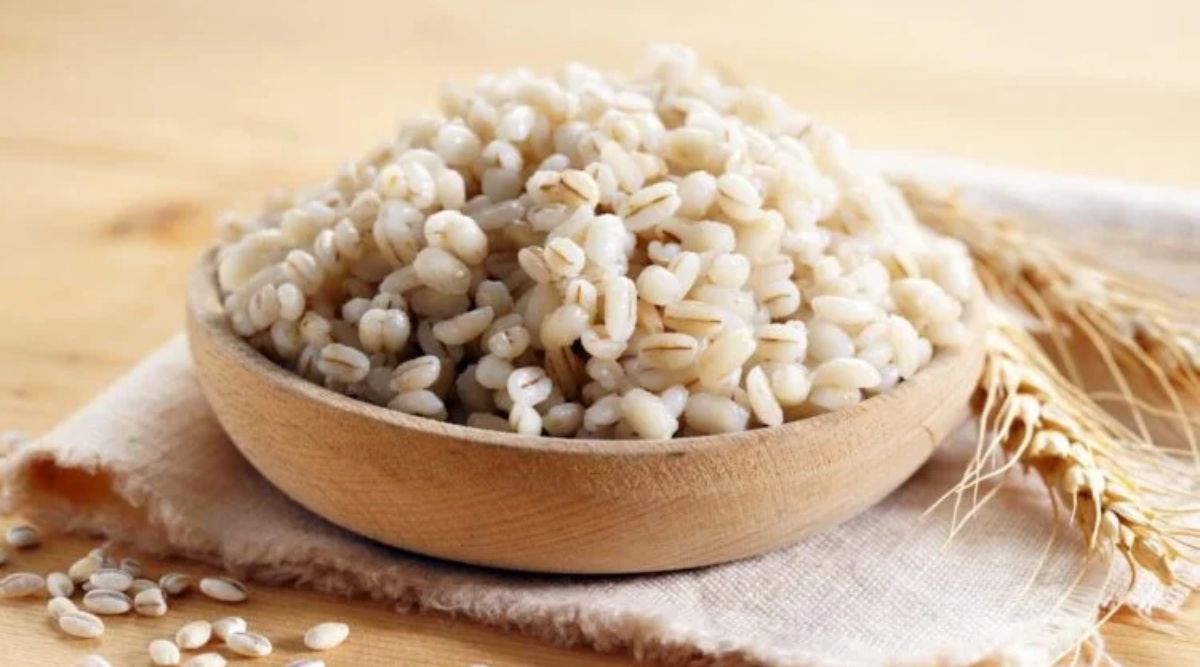
Barley is an important Rabi cereal grown for food, feed, malt and other uses. It generally requires less water than some other cereal crops, making it useful in areas where irrigation is limited. But farmers still need to match the variety and production method with local conditions.
ICAR research institutions have developed barley varieties suited to different growing environments and end uses. Farmers should select seed according to local recommendations and whether the crop is intended for food, animal feed or malting rather than choosing solely on expected yield.
7 Steps for Better Barley Production
1. Select the Right Variety
Farmers should choose certified seed of a variety recommended for their region. Barley varieties differ in maturity, grain quality, disease resistance and suitability for food, feed or malt production. The intended market should therefore be considered before seed is purchased.
Farmers supplying a malt or processing industry should check buyer requirements before sowing. Grain quality standards can differ from those required for ordinary feed or food markets. Growing a variety without confirming the market can create problems at harvest.
2. Prepare the Field Properly
A well-prepared seedbed helps barley establish uniformly. The field should be reasonably level and free from large clods. Farmers should avoid excessive tillage because repeated soil disturbance can increase fuel costs and remove valuable soil moisture.
The preparation method should depend on the previous crop and soil condition. Where suitable, conservation-oriented methods can reduce unnecessary passes across the field. Farmers should aim for good seed-to-soil contact rather than repeated cultivation.
3. Sow at the Recommended Time
Timely sowing helps the crop establish before winter conditions become severe and gives it enough time to complete its growth before temperatures rise. The ideal sowing period varies according to location, variety and whether the crop is irrigated or rainfed.
Farmers should follow recommendations from their state agriculture department or local KVK. Delayed sowing can reduce yield potential, while sowing too early may create different pest, disease or temperature-related problems depending on the region.
4. Use Healthy Seed
Good-quality seed is the starting point for a uniform crop. Farmers should check germination quality and obtain seed from a reliable source. Seed treatment may also be recommended to reduce specific seed-borne or soil-borne disease risks.
Farmers should use only treatments recommended for barley and follow the prescribed dose. Seed should be handled carefully after treatment and stored away from food, animal feed and direct contact with people.
5. Manage Nutrients Through Soil Testing
Barley needs balanced nutrition, but fertiliser requirements depend on soil fertility, variety, irrigation and the previous crop. Farmers should use soil-test information and local recommendations instead of applying the same fertiliser dose every year.
Nitrogen management deserves particular attention because excessive application can increase crop growth without producing an equivalent economic return. It can also affect grain quality in crops grown for particular processing purposes. Farmers should divide applications where recommended.
6. Control Weeds Early
Weeds compete with barley for moisture, nutrients, sunlight and space, particularly during the early growth stages. Farmers should inspect fields soon after crop emergence and control weeds before they become well established.
Mechanical or chemical control should depend on field conditions and local recommendations. If herbicides are used, farmers should select products approved for barley and follow the label for dose and application timing. Spraying an unsuitable product can injure the crop.
7. Irrigate According to Crop Need
Where irrigation is available, farmers should apply water according to crop stage, soil type and local recommendations. Irrigation should not be treated as a fixed calendar activity because rainfall and soil moisture can change during the season.
Farmers should avoid prolonged waterlogging because excess moisture can affect roots and increase disease risks. At the same time, moisture stress during important growth stages can reduce yield. Checking soil conditions before irrigation can help prevent unnecessary water use.
Watch the Crop During Winter
After establishment, farmers should regularly inspect barley for poor patches, weeds, insect damage and disease symptoms. Uneven growth can indicate problems with seed quality, soil conditions, nutrient availability or moisture.
Farmers should not wait until symptoms spread across the field before seeking advice. A nearby KVK or agriculture officer can help identify disease or nutrient problems. Early diagnosis can make control easier and reduce the need for unnecessary chemical applications.
Barley can enter different markets, including food, feed and malt. These markets may have different quality requirements. Farmers should therefore know where they intend to sell the crop before harvest and maintain grain quality accordingly.
Harvesting should be carried out at the appropriate maturity stage to reduce grain losses. After harvest, grain should be dried to a safe moisture level before storage. Clean storage protects the crop from moisture, insects and contamination.
Barley can be a useful Rabi crop where soil, climate and market conditions are suitable. Farmers can improve the chances of a good crop by selecting the right variety, preparing the field carefully, sowing on time, managing nutrients and controlling weeds early.
The most important step is to follow local recommendations rather than treating barley production as a fixed package. KVKs, state agriculture departments and ICAR institutes can provide region-specific guidance on varieties, sowing dates, fertiliser use and crop protection.
Also Read: Punarnava Jal – The world’s first organic fertilizer! Know how it is beneficial for farmers?
Contact us – If farmers want to share any valuable information or experiences related to farming, they can connect with us via phone or whatsapp at 9599273766 or you can write to us at “kisanofindia.mail@gmail.com”. Through Kisan of India, we will convey your message to the people, because we believe that if the farmers are advanced then the country is happy.
You can connect with Kisan of India on Facebook, Twitter, and Whatsapp and Subscribe to our YouTube channel.