


Mulching in Natural Farming: 7 Ways Farmers Can Use Crop Residues to Protect Soil

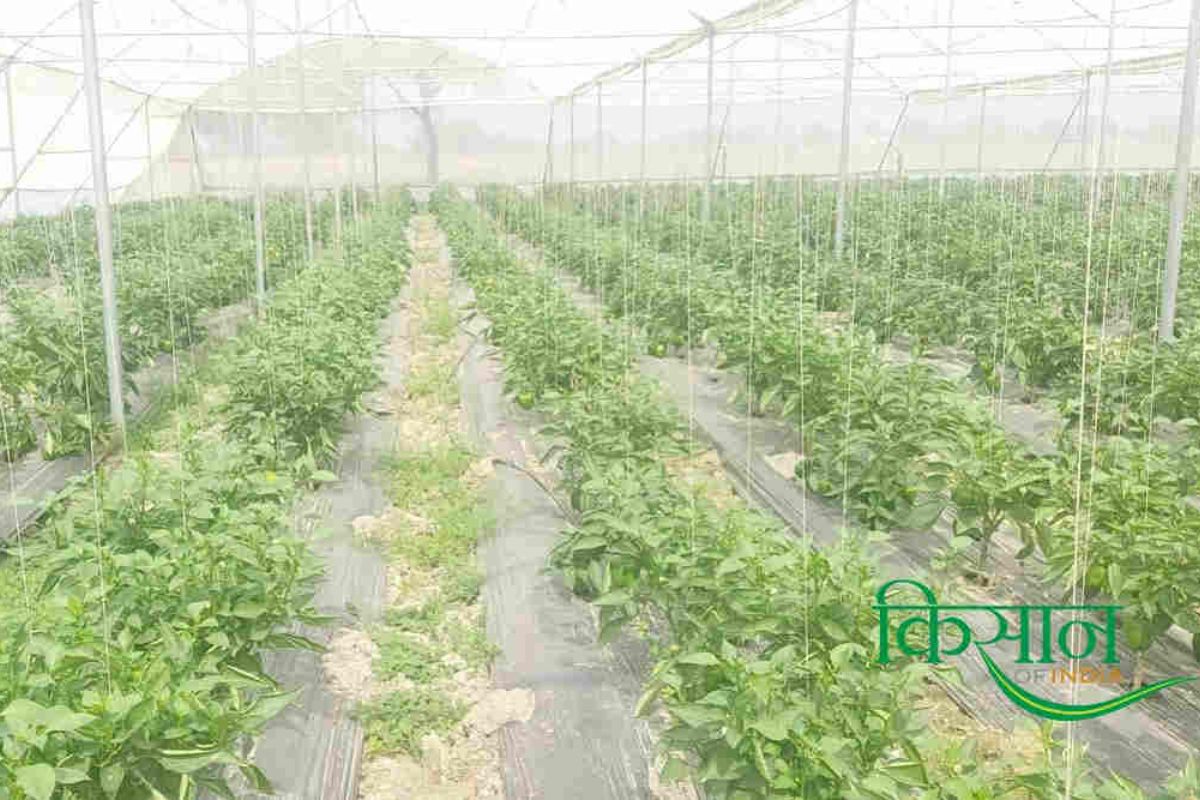
Bare soil can lose moisture quickly through evaporation and is more exposed to erosion from rain and wind. Mulching places a layer of suitable material over the soil surface, helping protect the ground while changing the conditions around crop roots.
Farmers can use materials such as straw, dry leaves, grass or other suitable plant residues. The right material depends on the crop, availability and local conditions. Mulching is not simply about covering soil with any available waste because contaminated or diseased material can create new problems.
7 Ways Farmers Can Use Mulch
1. Protect Soil Moisture
A layer of organic material can reduce direct exposure of soil to sunlight and wind, helping slow moisture loss from the surface. This can be particularly useful in crops where water availability is limited or irrigation is expensive.
Farmers should still monitor soil moisture instead of assuming that mulch eliminates irrigation needs. The amount of water saved depends on soil type, weather, mulch material and thickness. Good irrigation planning remains important throughout the crop cycle.
2. Reduce Weed Growth
Mulch can limit the amount of light reaching weed seeds near the soil surface, which may reduce weed emergence. This can lower competition between weeds and crops for moisture, nutrients and space.
Farmers should apply mulch after removing established weeds. Placing a thin layer over large, mature weeds will not necessarily control them. The mulch should also be kept away from sensitive plant stems where excessive moisture could encourage disease.
3. Reuse Crop Residues
Crop residues that are suitable for mulching can be returned to the field rather than burned or removed. This provides farmers with a use for material that might otherwise become waste.
Residues should be free from serious disease and pesticide contamination. Farmers should avoid using material that could spread pests or pathogens to the next crop. The choice should also consider whether the residue is needed for livestock feed or another farm purpose.
4. Reduce Soil Erosion
Rainfall hitting bare soil can break soil aggregates and move particles away, particularly on sloping land. A protective mulch layer can reduce the direct impact of raindrops and slow surface runoff.
This can be useful in orchards, vegetable fields and other systems where soil remains exposed between plants. On sloping farms, farmers can combine mulching with contour-based practices and other measures designed to slow water movement.
5. Support Soil Organisms
As organic mulch gradually breaks down, it adds organic material to the soil. Soil organisms can use this material as a food source, contributing to decomposition and nutrient cycling.
The speed of decomposition depends on the material, temperature, moisture and soil conditions. Farmers should not expect every mulch to improve soil fertility immediately. Mulching works as part of longer-term soil management rather than as a quick fertiliser replacement.
6. Moderate Soil Temperature
Mulch can reduce the amount of direct solar heating reaching the soil during hot conditions and can also reduce rapid temperature changes near the surface. This can create a more stable environment around plant roots.
The effect depends on the type and thickness of mulch. Dark, light, dry and fresh materials can behave differently. Farmers should choose the material according to the crop, season and local climate rather than following a single method everywhere.
7. Combine Mulching With Other Practices
Mulching works best when combined with suitable crop management. Farmers can use it alongside crop rotation, organic nutrient management, timely weeding, efficient irrigation and good-quality planting material.
Natural farming should not depend on one practice alone. Soil cover can protect the surface, while other practices help maintain fertility, manage pests and support crop growth. Farmers should adjust their approach according to local soil and weather conditions.
Choosing the Right Material
Common organic mulch materials include straw, dry grass, leaves and other plant residues. Farmers should choose clean material that is easily available on the farm and does not compete with another essential use.
Fresh green material can behave differently from dry residues and may create unwanted conditions around plants if applied too heavily. Farmers should avoid placing large quantities directly against plant stems or tree trunks.
In orchards, mulch can be placed around the root zone while leaving a small gap around the trunk. This helps protect the soil without keeping the trunk continuously wet. The practice is particularly important where fungal problems are already common.
Crop-residue management is an important part of sustainable farming. Where residues are suitable, using them as mulch can return organic material to the soil while reducing the need to remove or burn them.
Farmers should first consider livestock requirements because some residues are valuable feed. Where residues are not needed for animals, composting, mulching or other approved uses can provide alternatives to open burning.
The best mulch strategy will differ between farms. A vegetable grower may use straw between crop rows, while an orchard farmer may use dry leaves or grass around trees. Farmers should test the method on a small area and observe soil moisture, weeds and crop response.
Mulching can help farmers protect soil, conserve moisture, reduce weed growth and make better use of suitable crop residues. It is a simple practice, but its success depends on selecting clean material, applying the right amount and keeping mulch away from plant stems.
Farmers can combine mulching with other soil and water management practices to build healthier production systems. Local KVKs and agriculture departments can provide crop-specific guidance on suitable materials and application methods.
Also Read: Punarnava Jal – The world’s first organic fertilizer! Know how it is beneficial for farmers?
Contact us – If farmers want to share any valuable information or experiences related to farming, they can connect with us via phone or whatsapp at 9599273766 or you can write to us at “kisanofindia.mail@gmail.com”. Through Kisan of India, we will convey your message to the people, because we believe that if the farmers are advanced then the country is happy.
You can connect with Kisan of India on Facebook, Twitter, and Whatsapp and Subscribe to our YouTube channel.