


Heat Stress Can Cut Milk Production, How Dairy Farmers Can Protect Cattle and Buffaloes

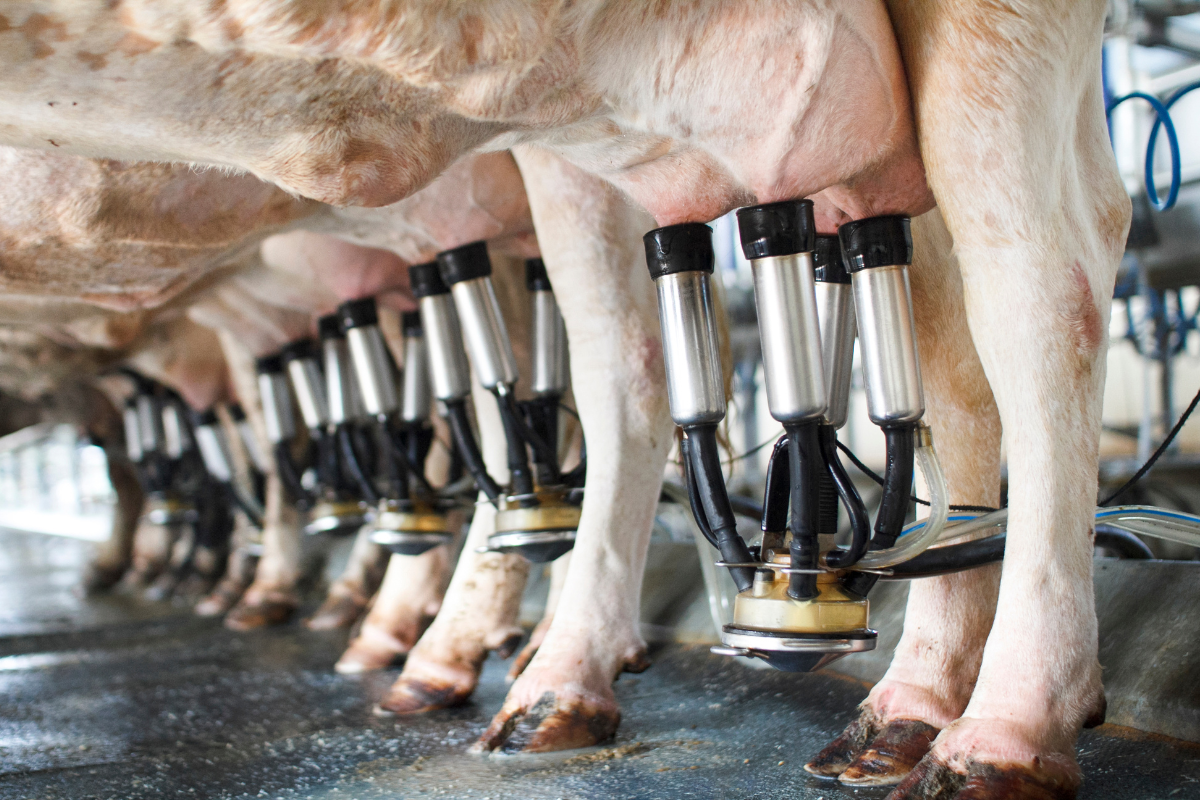
High temperatures and humidity can put dairy animals under heat stress and reduce milk production. Buffaloes and crossbred cattle are particularly vulnerable. A recent analysis of 16 years of livestock and climate data from Haryana found that high temperature and humidity were linked to lower milk yield, especially in buffaloes and crossbred cattle.
Heat stress occurs when an animal cannot remove enough body heat to maintain its normal temperature. The problem can reduce feed intake and affect growth, milk production and reproduction. High-producing animals can be more vulnerable because their metabolism generates more heat.
Buffaloes face a particular challenge during hot weather. Their dark skin absorbs more solar radiation and they have fewer sweat glands than cattle. Crossbred animals can also be more susceptible to heat stress than indigenous breeds, according to ICAR guidance for farmers.
A recent Haryana study found that temperatures above 38°C combined with humidity above 70% during July and August were associated with significant reductions in milk production. Indigenous breeds such as Sahiwal and Hariana showed greater tolerance to the conditions than buffaloes and crossbred cattle.
Farmers should watch for signs such as rapid breathing, panting, mouth breathing, weakness and reduced feed or water intake. Animals may also show digestive problems, reduced urine output and increased heart rate. These signs can indicate that the animal is struggling to cope with heat.
The effect is not limited to milk. Heat stress can also affect reproductive performance and increase vulnerability to health problems. This makes heat management important for dairy farmers who depend on regular milk production and successful breeding.
Shade and Airflow Can Make a Difference
The first step is to keep animals away from direct sunlight during the hottest part of the day. ICAR recommends well-ventilated sheds with sufficient space and airflow. Farmers can also plant trees around animal shelters to provide shade and reduce the heat reaching the shed.
The roof also matters. ICAR advises farmers to use measures such as painting roofs white and using wet jute sacks or similar materials to reduce heat absorption. Fans, foggers and sprinklers can also help lower heat around the animals when temperatures rise.
The Department of Animal Husbandry and Dairying recommends shade, adequate air movement and clean drinking water for animals during high temperatures. For cattle and buffaloes, intermittent sprinklers and fans can help reduce heat stress, while handling and movement should be reduced during the hottest hours.
For buffaloes, access to water can be especially important because they have limited ability to lose heat through sweating. Where facilities permit, bathing or other cooling methods can help animals cope with high temperatures. Farmers should make sure cooling arrangements do not create overcrowding or poor hygiene around the shed.
Water and Feeding Need Attention
Animals should have continuous access to clean and cool drinking water during hot weather. Government guidance recommends keeping water troughs clean and ensuring animals can reach water easily. Farmers should avoid making animals walk long distances for drinking water, especially during periods of extreme heat.
Feed management also needs to change during hot weather. Heat stress can reduce dry matter intake, which means animals may consume less feed when they are already facing higher energy demands. ICAR recommends maintaining green fodder and using balanced feed to support dairy animals during stressful weather conditions.
Farmers can offer feed during cooler parts of the day rather than concentrating feeding during the hottest hours. The Department of Animal Husbandry and Dairying also recommends adjusting feeding and reducing animal handling during periods of high heat. These simple changes can reduce additional stress on dairy animals.
Mineral supplementation can also form part of heat-stress management. ICAR recommends mineral mixtures and common salt in animal diets, while its advisories also stress the importance of maintaining adequate green fodder and clean water during hot conditions. Farmers should follow locally recommended quantities rather than adding supplements without guidance.
Cooling Can Help Protect Milk Yield
Research at ICAR-National Dairy Research Institute has found that mist and fan cooling can reduce the effects of heat stress in crossbred cows. The system helped maintain milk production and feed consumption during hot and humid conditions. This shows why improving the shed environment can matter for dairy farmers.
ICAR-Central Institute for Research on Buffaloes has also developed thermal-stress management measures for lactating buffaloes. Its work includes microclimate modification and nutritional supplementation aimed at reducing thermal stress and maintaining milk production. Farmers should consult veterinary or livestock experts before using specific supplements.
NDDB has developed a heat-stress supplement called Pashu Sheetvardhak. According to NDDB, supplementation at 350 grams per animal per day improved milk yield by up to 11% and fat content by up to 7% in cows and buffaloes during heat-stress conditions. Farmers should follow product guidance and veterinary advice before use.
The important point is that farmers do not need to depend on one measure. Shade, airflow, water, feeding changes and cooling can work together. The right combination will depend on the animal, housing system, local temperature and the resources available to the farmer.
What Farmers Should Do During Extreme Heat
Farmers should check their animals more frequently when temperatures rise. Keep drinking water available, reduce unnecessary movement, provide shade and improve ventilation. Dairy animals should not remain tied in direct sunlight. The hottest part of the day should be reserved for rest rather than grazing, transport or other strenuous activity.
If an animal develops severe breathing difficulty, weakness or other signs of serious heat stress, it should be moved to a cooler and well-ventilated place and veterinary help should be sought. The Department of Animal Husbandry and Dairying recommends cooling severely overheated animals with water and fans while arranging appropriate veterinary care.
For dairy farmers, heat management is not only about animal comfort. It can affect milk yield, feed intake and reproduction. With hotter conditions becoming a recurring concern, farmers can reduce losses by improving shade, water access, ventilation and feeding practices before animals show severe signs of heat stress.
Also Read: Punarnava Jal – The world’s first organic fertilizer! Know how it is beneficial for farmers?
Contact us – If farmers want to share any valuable information or experiences related to farming, they can connect with us via phone or whatsapp at 9599273766 or you can write to us at “kisanofindia.mail@gmail.com”. Through Kisan of India, we will convey your message to the people, because we believe that if the farmers are advanced then the country is happy.
You can connect with Kisan of India on Facebook, Twitter, and Whatsapp and Subscribe to our YouTube channel.