


Mastitis Prevention in Dairy Cattle: 7 Steps to Protect Milk Quality and Farm Income

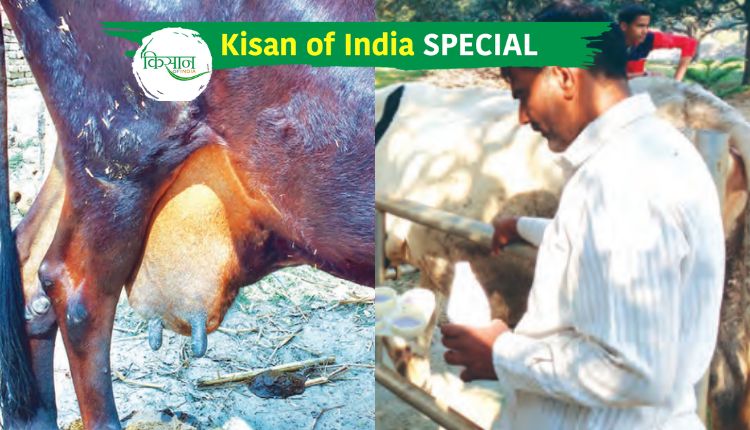
Mastitis, an inflammation of the udder, can reduce milk production, affect milk quality and increase veterinary costs. The disease may cause visible swelling and changes in milk, but subclinical mastitis can remain unnoticed because the animal may not show obvious signs. Regular hygiene and early detection are therefore important for dairy farmers.
In February 2026, the Department of Animal Husbandry and Dairying published a national strategy document on mastitis prevention and control. It identifies hygiene, balanced nutrition, animal management and farmer education as important parts of disease prevention. Farmers can reduce avoidable risks by making these practices part of their daily milking routine.
1. Keep the cattle shed clean and dry
Bacteria that cause mastitis can spread through contaminated bedding, manure, equipment and the animal’s surroundings. Remove dung regularly, keep the floor as dry as practical and provide clean bedding. Wet, dirty areas around the milking space can expose teats to organisms that may enter the udder.
Clean feed and water troughs regularly, and make sure animals have enough space to rest comfortably. Repair floor areas where water collects and improve drainage where necessary. These steps help maintain udder hygiene and support general animal health, although they cannot eliminate every cause of mastitis.
2. Clean and dry the udder before milking
Before milking, inspect the udder and teats for dirt, injuries, swelling or unusual warmth. Clean dirty teats using clean water where needed, then dry them thoroughly with a clean towel. Use a separate towel for each animal rather than sharing one cloth across the herd.
Dirty hands and unclean equipment can transfer bacteria during milking. Wash hands before the process and keep milk containers clean. The National Dairy Development Board recommends hygienic milking, individual towels and proper udder cleaning as part of good dairy husbandry.
3. Use approved teat dips after milking
Teat dipping involves applying an appropriate disinfectant product to the teats after milking. The practice can reduce the number of bacteria on the teat surface and lower the risk of new infections. Farmers should use a product intended for dairy animals and follow its label instructions rather than prepare an improvised chemical mixture.
Apply the product according to veterinary or manufacturer guidance, and keep dipping equipment clean. Pre-milking teat hygiene may also be useful where recommended. Teat dipping works best as part of a wider hygiene routine, not as a substitute for clean housing, proper milking technique or veterinary care.
4. Check milk and udders every day
Farmers should watch for swelling, pain, heat or redness in the udder and look for changes such as clots, flakes, watery milk or abnormal colour. A sudden decline in milk yield can also signal a problem. Record unusual findings and seek veterinary advice promptly rather than waiting for the next routine check.
Subclinical mastitis may not produce obvious symptoms. A veterinarian or trained professional can use suitable tests, including the California Mastitis Test, to help identify suspected cases. ICAR research on dairy cattle recommends early detection, prompt treatment of clinical cases and regular checks for subclinical infection.
5. Follow correct milking practices
Milk animals at consistent times and use a calm, hygienic routine. Avoid pulling or injuring teats during hand milking, and clean and sanitise milking equipment according to its instructions. If one animal has suspected mastitis, milk it separately and follow the veterinarian’s advice to reduce the risk of spreading infection.
After milking, animals may be more likely to lie down before the teat canal has closed. Where practical, encourage them to remain standing for about 30 minutes by offering feed. This can reduce contact between teats and contaminated bedding immediately after milking. Keep the resting area clean as well.
6. Provide balanced feed and clean water
Nutrition supports immune function and general health. Dairy animals need a balanced ration suited to their body condition, stage of lactation and milk production. Provide clean drinking water and consult a veterinarian or animal nutrition expert about mineral supplementation where the existing ration may be deficient.
A 2025 study published in ICAR’s Indian Farming examined a trace-mineral intervention on 90 small cattle farms in Punjab. Researchers reported that average milk somatic cell counts fell after supplementation alongside ration-balancing and mastitis-prevention advice. The findings support attention to nutrition but do not mean that supplements alone can prevent or cure every infection.
7. Seek veterinary treatment early
If a cow shows signs of mastitis, contact a veterinarian promptly. Do not rely on home remedies or start antibiotics without professional advice. The correct treatment depends on the animal’s condition and the likely cause. Delayed treatment can worsen the infection and lead to longer-lasting production losses.
Follow the prescribed treatment and milk-withdrawal period carefully. Milk from a treated animal may need to be kept out of the human food supply for the period specified by the veterinarian and medicine label. Keep treatment records for each animal, including the medicine used, dates and instructions for when its milk can safely be marketed.
Mastitis prevention starts with daily routines: clean housing, hygienic milking, appropriate teat disinfection, regular udder checks and balanced nutrition. These measures can lower avoidable infection risks, while early veterinary intervention can help limit the damage when disease occurs.
Farmers should work with local veterinary services to establish a herd-health plan and investigate recurring cases. Good records, regular screening and prompt treatment can help protect animal welfare, milk quality and the financial stability of a dairy enterprise.
Also Read: Punarnava Jal – The world’s first organic fertilizer! Know how it is beneficial for farmers?
Contact us – If farmers want to share any valuable information or experiences related to farming, they can connect with us via phone or whatsapp at 9599273766 or you can write to us at “kisanofindia.mail@gmail.com”. Through Kisan of India, we will convey your message to the people, because we believe that if the farmers are advanced then the country is happy.
You can connect with Kisan of India on Facebook, Twitter, and Whatsapp and Subscribe to our YouTube channel.