


Sheep Farmers Can Improve Lamb Survival With Better Early Care, What Should They Do?

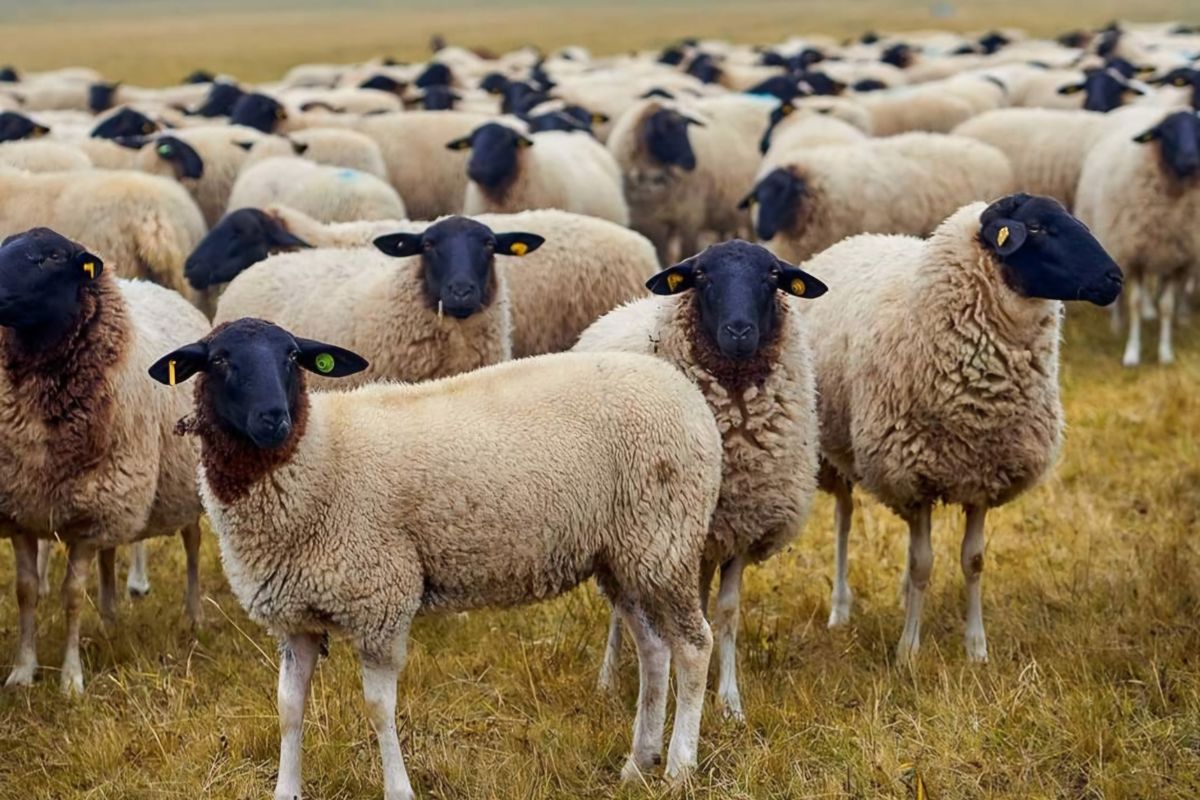
Newborn lambs are one of the most vulnerable stages in sheep farming. Poor feeding, low birth weight, cold conditions and infections can quickly turn into losses. For small farmers, better care during the first few weeks can improve survival, growth and the eventual value of each lamb.
ICAR research shows that lamb survival is influenced by both the lamb and its mother. Colostrum, adequate nutrition, clean housing and close monitoring are among the basic measures that can help. Recent field research also points to milk replacer as a possible supplement when maternal milk is insufficient.
Why the first weeks matter
Colostrum is the first milk produced after lambing and provides energy and antibodies. ICAR recommends ensuring colostrum feeding for young lambs. Farmers should make sure newborns begin suckling promptly and should pay particular attention to weak lambs or those born to ewes producing insufficient milk.
Birth weight deserves attention because lighter lambs face greater risks. An ICAR study of Malpura sheep found substantially higher neonatal mortality among lambs weighing below 2 kilograms. The researchers linked early losses mainly to conditions including septicemia, inadequate nutrition, pneumonia and enteritis.
Another ICAR study examined Magra and Marwari sheep and found that lamb survival during the first 28 days was linked to birth weight, dam weight, parity and season. The researchers concluded that extra care for low-birth-weight lambs can improve survival under appropriate management conditions.
When can milk replacer help?
Milk replacer can be considered when a ewe cannot provide enough milk. In a 2026 field study in Guntur, researchers followed 84 pre-weaning lambs and compared supplemented and non-supplemented groups. The supplemented lambs received formulated milk replacer alongside maternal milk and green fodder.
The study reported average body weight of 18.2 kilograms in supplemented lambs compared with 13.8 kilograms in the control group by 16 weeks. Average daily gain was also higher, while mortality was 7.14% in the supplemented group compared with 21.4% among controls.
These findings do not mean every flock will obtain the same results. Breed, milk production, feed availability, disease pressure, housing and management can change outcomes. Milk replacer also adds a cost, so farmers should first assess whether natural milk supply and locally available feed are sufficient.
Keep the lambing area clean
Clean housing is another important part of lamb care. Damp bedding, dirty feeding areas and poor ventilation can increase exposure to disease. Farmers should keep lambing areas dry and clean, separate visibly sick animals and regularly clean equipment used for feeding young lambs.
Temperature and weather also matter, especially for weak or low-birth-weight lambs. Young animals have limited reserves and can lose body heat quickly. Farmers should protect newborns from cold, rain and strong drafts while maintaining enough ventilation to avoid a damp, poorly ventilated enclosure.
Vaccination and parasite control should follow veterinary advice and local schedules. ICAR’s sheep advisories recommend timely vaccination and deworming, while pregnant ewes also need adequate nutrition. Farmers should consult their local veterinarian or animal husbandry department rather than using medicines without guidance.
Care starts before lambing
The ewe’s condition before lambing also affects the newborn. ICAR research has linked low maternal body weight and first parity with higher neonatal mortality in some flocks. Providing suitable nutrition during pregnancy can help farmers enter the lambing period with healthier mothers and stronger newborns.
For small sheep farmers, the first step is careful observation. Check whether each lamb is suckling, active and gaining weight. A lamb that remains weak, cold, isolated or unable to feed needs prompt attention from a veterinarian rather than delayed treatment.
Better lamb care does not require expensive equipment in every flock. Timely colostrum, clean housing, adequate nutrition, careful observation and preventive health measures form the foundation. Where maternal milk is inadequate, a properly formulated milk replacer can provide another option under veterinary or technical guidance.
What should farmers calculate?
The economics are also important. A surviving, healthy lamb has greater value than an animal lost during the first weeks. Farmers should compare the cost of supplementary feed, medicines, labour and housing with expected improvements in survival and growth before adopting additional inputs.
ICAR’s recent field evidence gives sheep farmers another reason to focus on the pre-weaning period. Good early care can influence survival and growth, but no single practice works everywhere. Farmers should adapt feeding, housing and health measures to their breed, climate, flock size and available resources.
Also Read: Punarnava Jal – The world’s first organic fertilizer! Know how it is beneficial for farmers?
Contact us – If farmers want to share any valuable information or experiences related to farming, they can connect with us via phone or whatsapp at 9599273766 or you can write to us at “kisanofindia.mail@gmail.com”. Through Kisan of India, we will convey your message to the people, because we believe that if the farmers are advanced then the country is happy.
You can connect with Kisan of India on Facebook, Twitter, and Whatsapp and Subscribe to our YouTube channel.