


Can Farmers Grow Groundnut After Rice? What Should They Check Before Changing the Cropping Pattern?

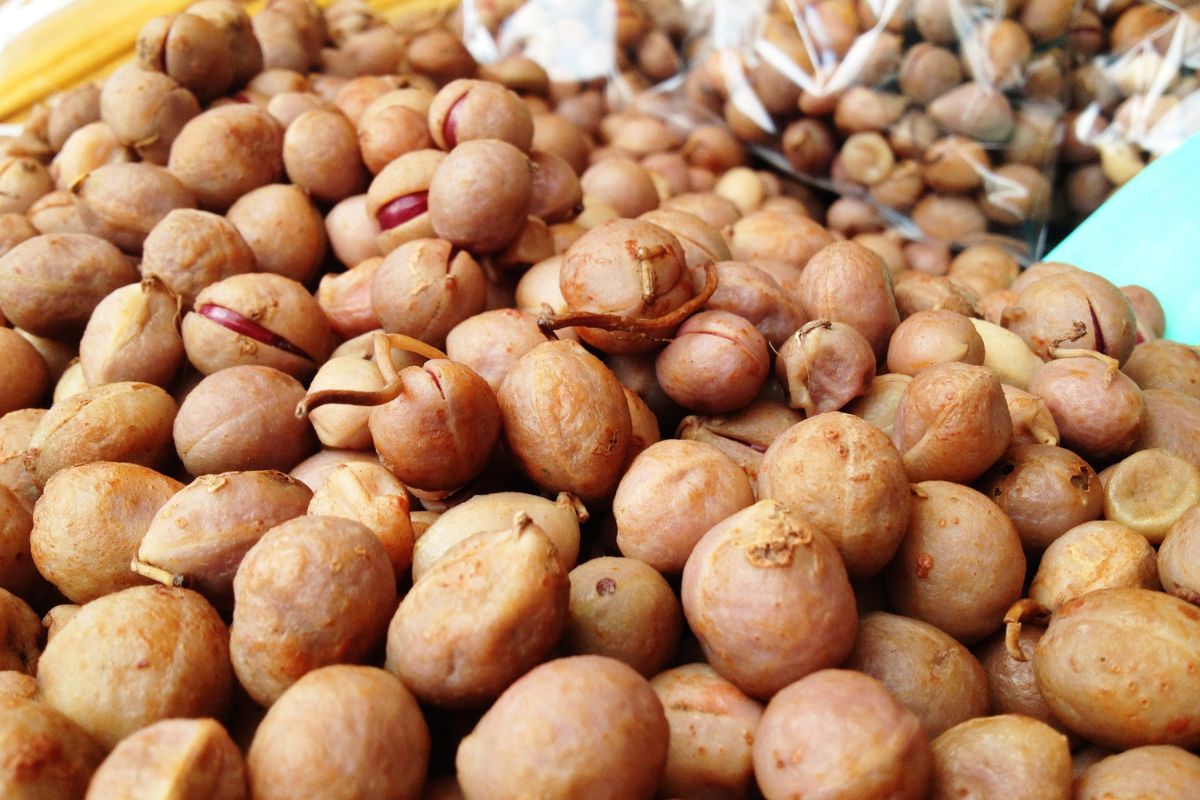
Farmers looking to change their cropping pattern often consider crops that fit between major seasonal harvests. Groundnut can be one option after rice in suitable areas, but the change requires careful planning. Soil condition, residual moisture, sowing time, irrigation and market access all affect the result.
A rice-groundnut sequence is not suitable for every farm. Groundnut needs well-drained soil and can suffer when fields remain waterlogged. Farmers therefore need to assess the field after rice harvest before deciding whether the crop can fit into their local production calendar.
Groundnut can provide farmers with an oilseed crop after a cereal harvest. Crop rotation can also change the pattern of nutrient demand and allow farmers to diversify their farm income. The practical benefit depends on whether the rice harvest leaves enough time for groundnut to complete its growth. Farmers also need suitable seed, machinery, labour and a reliable market before adopting the sequence.
Groundnut generally requires less water than a long-duration rice crop, but it still needs adequate moisture during germination, flowering and pod development. Water stress at critical stages can reduce pod formation and yield. Farmers should not interpret diversification as eliminating irrigation needs. The crop needs timely water when rainfall is insufficient, while excessive water can create problems because groundnut does not tolerate prolonged waterlogging.
What soil is suitable?
Groundnut performs best in well-drained soils where developing pods can penetrate the soil. Sandy loam and loamy soils are commonly considered suitable because they allow easier pegging and harvesting. Heavy soils that remain wet after rice may create difficulties. Farmers should check drainage before planting and consider whether the field can dry sufficiently after the rice harvest.
Groundnut develops pods below the soil surface. Excess water can restrict root activity and reduce plant growth, while prolonged waterlogging can damage roots and increase disease risks. This makes field preparation important after rice. Farmers may need to improve drainage or use suitable raised-bed arrangements where local recommendations support them, particularly in fields that retain water.
The sowing window depends on the local climate, rice variety, harvest date and groundnut variety. A late rice harvest can leave a narrow window for establishing the next crop. Farmers should choose a groundnut variety that fits their available growing period. They should also prepare seed and field operations before rice harvest to avoid losing valuable planting time.
A shorter-duration rice variety can leave more time for a succeeding crop. The choice can therefore influence the feasibility of a rice-groundnut sequence. Farmers should not select a rice variety only for its duration. Yield potential, local suitability, water availability, pest risks and market demand should also be considered before changing an established rice variety.
Groundnut is a legume and forms a symbiotic relationship with bacteria that can fix atmospheric nitrogen. This gives legumes an important place in crop rotations, although farmers should not assume that groundnut can meet all nutrient requirements without fertiliser. Soil fertility depends on the complete cropping system, residue management, nutrient removal and fertiliser practices. Soil testing remains useful before changing the crop sequence.
Does groundnut need fertiliser?
Yes. Groundnut still requires balanced nutrition even though it is a legume. Calcium and sulphur are particularly important for pod development, while phosphorus and potassium also support crop growth. The exact nutrient requirement depends on soil fertility, variety and expected yield. Farmers should use soil-test-based recommendations instead of applying fertilisers at the same rate used for rice.
Seed quality can affect crop establishment. Farmers should use good-quality seed of a locally recommended variety and follow appropriate seed-treatment advice. Seed treatment can help protect young plants from certain seed- and soil-borne problems. Farmers should follow recommendations from agricultural universities, KVKs or state agriculture departments rather than applying chemicals without knowing the target disease.
It can create another marketable crop, but higher income is not automatic. Farmers need to compare the expected value of groundnut with the costs of seed, labour, irrigation, fertiliser, plant protection and harvesting. Market price also matters. A crop that gives a good yield but faces weak local demand may not provide the expected return after production and transport costs.
Groundnut harvesting requires care because pods develop underground. Farmers need to harvest when the crop reaches suitable maturity to avoid immature pods or losses from delayed harvesting. The available machinery and labour should be considered before planting. Manual harvesting can require significant labour, while mechanised harvesting may not be practical for every small farmer.
Can farmers use crop residues?
Crop residues from rice can be managed in several ways, but farmers should avoid burning them. Residue retention, incorporation or other recommended management practices can affect soil organic matter and field preparation. The method needs to fit the time available before groundnut sowing. Heavy residue loads can also interfere with planting, so farmers should plan residue management before establishing the next crop.
Groundnut can face insect pests and diseases that vary by region and season. Farmers should monitor the crop regularly instead of waiting for visible damage to become severe. Integrated pest management can include healthy seed, field sanitation, crop monitoring, suitable varieties and need-based plant protection. Local advisories should guide the choice and timing of control measures.
Changing crops can break some pest and disease cycles because pathogens and insects associated with one crop may have fewer suitable hosts in the following season. This does not mean rotation prevents all diseases. Groundnut has its own pest and disease problems, and farmers still need regular field monitoring and appropriate management throughout the crop cycle.
Farmers should first check whether their field drains quickly after rice. They should then assess the remaining growing period, availability of suitable seed, irrigation access, labour and local market demand. The cost calculation should include the entire sequence rather than groundnut alone. Farmers should compare the expected returns and risks of the new rotation with their existing cropping pattern.
Can every rice-growing region adopt it?
No. A rice-groundnut sequence depends on local climate, soil, water availability, rice harvest timing and groundnut suitability. The same rotation may work well in one region and perform poorly elsewhere. Farmers should therefore rely on local agricultural recommendations and field trials. KVKs and agricultural universities can provide information about varieties, sowing windows and management practices suited to their area.
Groundnut can fit into a rice-based cropping system where soil, drainage, climate and market conditions support it. The crop offers farmers another oilseed option and can bring a legume into the rotation. But the decision should come from the farm’s actual conditions. Farmers need to check the rice harvest date, available moisture, drainage, seed, irrigation, production costs and buyers before changing the cropping pattern.
Also Read: Punarnava Jal – The world’s first organic fertilizer! Know how it is beneficial for farmers?
Contact us – If farmers want to share any valuable information or experiences related to farming, they can connect with us via phone or whatsapp at 9599273766 or you can write to us at “kisanofindia.mail@gmail.com”. Through Kisan of India, we will convey your message to the people, because we believe that if the farmers are advanced then the country is happy.
You can connect with Kisan of India on Facebook, Twitter, and Whatsapp and Subscribe to our YouTube channel.