



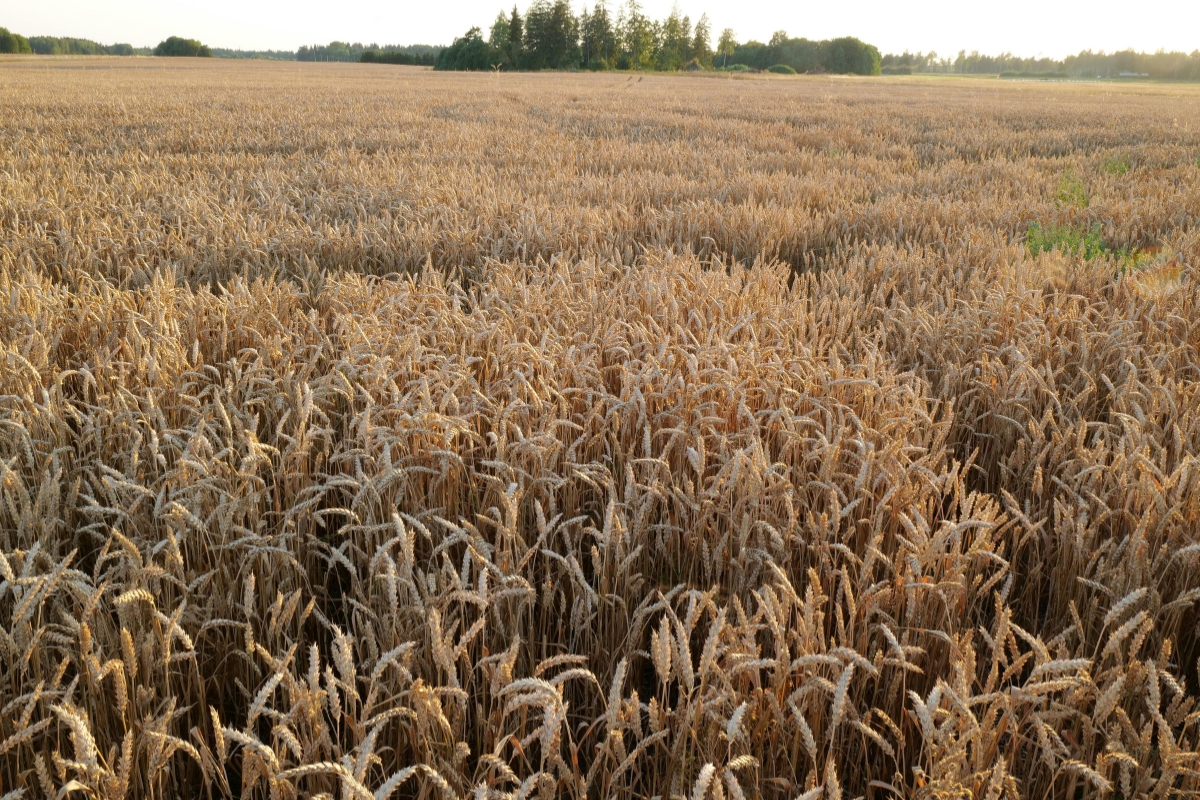
As climate change places increasing pressure on farming systems, researchers and farmers are searching for crops that can withstand difficult growing conditions while maintaining reliable yields. One grain attracting growing interest is teff, a tiny cereal traditionally cultivated in Ethiopia for thousands of years.
For decades, teff remained largely confined to its native region despite its impressive agricultural characteristics. Today, changing weather patterns, concerns about water scarcity, and rising demand for nutritious grains are encouraging farmers and agricultural scientists around the world to take a closer look at the crop.
Interest in teff is expanding because it combines climate resilience, nutritional value, and adaptability. Many experts believe crops like teff could play an important role in helping agriculture adapt to future environmental challenges while supporting food security.
One of teff’s most important strengths is its ability to perform under challenging environmental conditions. The crop can tolerate periods of drought better than many traditional cereals and often produces harvests in areas where other grains struggle. This adaptability has helped farmers cultivate it successfully across diverse landscapes for centuries.
Researchers studying climate-smart agriculture frequently highlight drought-tolerant crops as essential tools for future food production. As rainfall patterns become increasingly unpredictable in many regions, farmers need options capable of producing stable harvests despite weather variability. Teff fits well within this category and continues attracting scientific attention because of its resilience.
The crop’s ability to survive environmental stress makes it particularly valuable for regions facing increasing climate uncertainty.
Small Grain, Strong Nutritional Profile
Teff’s growing popularity is not based solely on its agricultural performance. The grain also possesses a nutritional profile that appeals to both consumers and food companies. It contains protein, fibre, iron, calcium, and several other nutrients that contribute to dietary diversity.
Health-conscious consumers are increasingly exploring alternatives to conventional cereals, creating new market opportunities for producers. Food manufacturers are introducing teff-based flour, breads, breakfast products, and specialty foods aimed at consumers seeking nutritious grain options.
This growing demand is encouraging greater investment in cultivation, processing, and product development throughout the value chain.
Many agricultural experts believe teff offers significant potential for smallholder farming systems. The crop can be cultivated on relatively modest landholdings and often requires fewer resources than some conventional cereals. These characteristics make it attractive for farmers operating under resource constraints.
Smallholders frequently face challenges related to water availability, input costs, and climate risks. Crops capable of producing reliable harvests under such conditions can improve resilience and reduce vulnerability. Teff’s adaptability allows it to fit into diversified farming systems where farmers seek to spread production risks across multiple crops.
Researchers continue evaluating how the grain can contribute to sustainable livelihoods in different agricultural environments.
Processing and Market Development Continue
Although interest in teff is increasing, market development remains an important factor influencing future expansion. Processing infrastructure, consumer awareness, and supply chains must continue evolving if cultivation is to grow beyond traditional production areas.
Several food companies and agricultural organisations are investing in product development and market promotion. These efforts aim to introduce teff to new consumers while creating commercial opportunities for producers. Successful market growth could encourage more farmers to consider cultivation as part of their cropping strategies.
Agricultural economists often note that crop adoption depends as much on market access as agronomic performance. Teff’s future growth will likely depend on progress in both areas.
Research institutions around the world are studying crops capable of supporting climate adaptation. Teff is increasingly included in these discussions because it represents an example of an underutilised grain with characteristics suited to emerging agricultural challenges.
Scientists are examining production methods, breeding opportunities, and management practices that could improve yields while maintaining resilience. The goal is not necessarily to replace major cereals but to expand the range of options available to farmers facing changing environmental conditions.
Diversification is becoming a key strategy for agricultural resilience, and teff contributes to that objective.
An Ancient Grain for Modern Challenges
The growing interest in teff highlights an important trend in global agriculture. Many solutions to future challenges may come from crops that have existed for centuries but received limited attention outside their traditional growing regions.
Teff combines drought tolerance, nutritional value, and adaptability in a way that aligns closely with modern agricultural priorities. As researchers, farmers, and consumers continue exploring alternatives to conventional grains, its importance is likely to increase.
The grain’s journey from a traditional Ethiopian staple to an internationally recognised climate-resilient crop demonstrates how agricultural innovation often begins with rediscovering resources that have been quietly proving their value for generations.
Also Read: Punarnava Jal – The world’s first organic fertilizer! Know how it is beneficial for farmers?
Contact us – If farmers want to share any valuable information or experiences related to farming, they can connect with us via phone or whatsapp at 9599273766 or you can write to us at “kisanofindia.mail@gmail.com”. Through Kisan of India, we will convey your message to the people, because we believe that if the farmers are advanced then the country is happy.
You can connect with Kisan of India on Facebook, Twitter, and Whatsapp and Subscribe to our YouTube channel.