


ICAR Develops 386 New Crop Varieties: What Farmers Should Know About the Latest Seeds

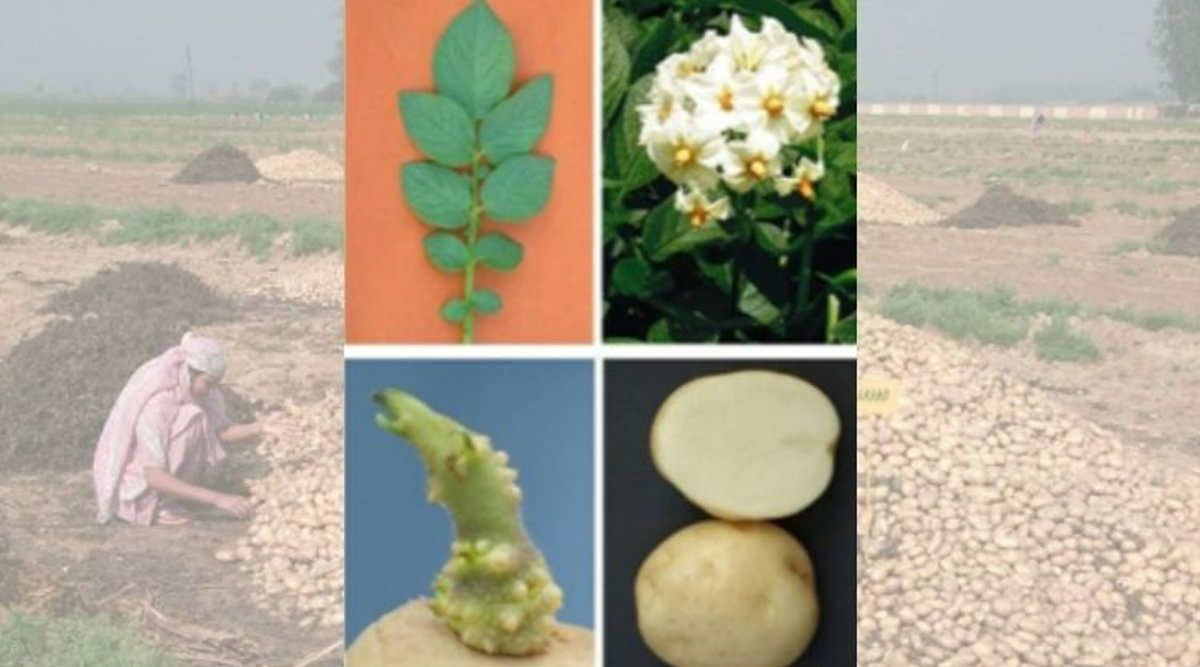
The Indian Council of Agricultural Research developed 386 improved crop varieties across 44 crops during the past year, according to information shared during ICAR’s 98th Foundation Day. The organisation said 94% of these varieties are climate-resilient, while 29 are biofortified to improve nutritional value.
The development comes as Indian farmers face changing rainfall, heat, drought, salinity and other production risks. Improved varieties can help address some of these challenges when they are matched with the right soil, climate, water availability and farming practices.
ICAR also released 43 improved crop varieties during the Foundation Day programme, along with 17 agricultural technologies and 14 publications. The technologies included new Basmati and climate-resilient rice varieties tolerant to saline and alkaline soils.
For farmers, the important point is that developing a variety does not automatically mean it is suitable for every region. Seed recommendation depends on the crop, agro-climatic conditions, state recommendations, disease pressure and the purpose for which the variety was developed.
Climate Resilience Is a Major Focus
The 94% climate-resilient figure shows the growing emphasis on varieties that can perform under changing environmental conditions. Such breeding work is important because farmers increasingly have to manage irregular rainfall, longer dry periods, high temperatures and other weather stresses.
Some of the new rice technologies are aimed at conditions where conventional varieties may struggle. ICAR specifically highlighted rice varieties tolerant to saline and alkaline soils. Such traits can be useful in areas where soil conditions limit the performance of commonly grown varieties.
Climate resilience does not mean a variety will survive every extreme weather event. Farmers still need appropriate sowing dates, irrigation, nutrients, pest management and other practices. A resilient variety can reduce a particular production risk, but it cannot replace good crop management.
Farmers should therefore avoid choosing seed only because it is labelled climate-resilient. The first question should be whether the variety has been recommended for their district or agro-climatic zone and whether certified seed is available through an authorised source.
Biofortified Varieties Could Improve Nutrition
The second important area is biofortification. ICAR reported that 29 of the improved varieties developed during the year are biofortified. Biofortified crops are bred to contain higher levels of selected nutrients, making them relevant to both farm productivity and nutritional security.
For farmers, biofortification can create an opportunity to combine crop production with nutritional benefits. Depending on the crop and variety, breeding programmes may target nutrients such as iron, zinc, protein or other important dietary components.
Farmers should still check the exact nutritional trait of a variety before planting. “Biofortified” is not a single characteristic, and different varieties are developed for different nutritional targets. Seed labels, agricultural universities and KVKs can help farmers identify the recommended varieties.
Market demand also matters. A farmer should check whether local buyers recognise the variety, whether the produce has a separate market and whether there is adequate seed supply for the next season.
ICAR reported that its technologies reached nearly one crore farmers directly and more than five crore farmers through media and social media during the year. It also highlighted the role of the Krishi Vigyan Kendra network in taking agricultural technologies from research institutions to farmers.
The Council also signed 72 agreements with 51 industry partners to support commercialisation and wider transfer of technologies. This matters because farmers benefit from research only when improved varieties become available as quality seed at the right time and at an accessible price.
Farmers interested in new varieties should therefore approach their nearest KVK, agricultural university or state agriculture department. They can ask which recently released varieties are officially recommended for their area and where certified seed can be obtained.
Farmers should also consider conducting a small trial before shifting a large area. A new variety may perform differently depending on local soil, irrigation, sowing time, disease pressure and management. Comparing it with the farmer’s existing variety can provide useful field-level information.
What Farmers Should Check Before Buying Seed
Before purchasing a new variety, farmers should check five things: whether it is recommended for their region, its maturity period, major resistance or tolerance traits, expected yield under recommended conditions and availability of certified seed.
Farmers should also check the seed packet carefully. The crop and variety name, lot number, validity, germination information and other required details should be clearly provided. Buying seed from an authorised source reduces the risk of receiving mislabelled or poor-quality planting material.
The cost of seed should be considered along with the possible benefits. A variety that matures earlier, handles a specific stress or provides better nutritional quality may be useful, but farmers need to compare those benefits with seed cost and local market demand.
ICAR’s development of 386 improved varieties shows that crop breeding is increasingly focused on productivity, climate resilience and nutritional security. The challenge now is getting suitable varieties into farmers’ fields with reliable seed supply, local recommendations and proper extension support.
Farmers should not treat every newly developed variety as an immediate replacement for their existing seed. The practical approach is to identify varieties recommended for their area, test them on a small portion of land and compare their performance before expanding cultivation.
For farmers facing specific problems such as salinity, drought, heat or nutritional deficiencies, the new varieties may offer useful options. But the right seed remains the one that matches the farm’s local conditions and market, not simply the newest variety available.
Also Read: Punarnava Jal – The world’s first organic fertilizer! Know how it is beneficial for farmers?
Contact us – If farmers want to share any valuable information or experiences related to farming, they can connect with us via phone or whatsapp at 9599273766 or you can write to us at “kisanofindia.mail@gmail.com”. Through Kisan of India, we will convey your message to the people, because we believe that if the farmers are advanced then the country is happy.
You can connect with Kisan of India on Facebook, Twitter, and Whatsapp and Subscribe to our YouTube channel.